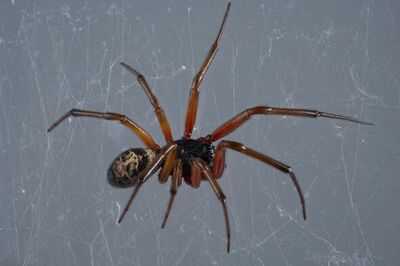
A mild, wet winter and a warmer than average spring has led to an explosion in the population of one of Britain's most dangerous spiders. As the breeding population increases, these spider bites are now causing more hospitalisations than ever before, according to a Freedom of Information Act request by the Press Association.
NHS figures show that there were 100 hospital admissions in 2025 linked to spider bites - up from 47 in 2015. This increase is being blamed on the increase of the noble false widow spider population. Michel Dugon, a zoologist specialising in venom systems at the University of Galway, said the "not surprising" figures were due to the "explosion in the population of noble false widow".
According to a 2020 paper by Clive Hambler, a lecturer in Biological and Human Studies at Herreford College, the false widow is the most dangerous spider in the UK due to its likelihood to bite, and the infection that can be caused by this bite. Because it is growing more common, it's also growing more dangerous.
These venomous spiders look similar to the deadly black widow, with globular bodies and distinctive white or cream markings on the abdomen which can look skull-like. Native to the Canary Islands and Madeira, but now living and breeding in the UK these spiders can deliver a painful bite.
According to British Spiders, the bite feels akin to a wasp sting and can result in feeling unwell for several days in rare cases.
As the weather begins to warm up, these spiders begin to breed -and if you want to keep them out of your home it's important to keep up to date with your cleaning.
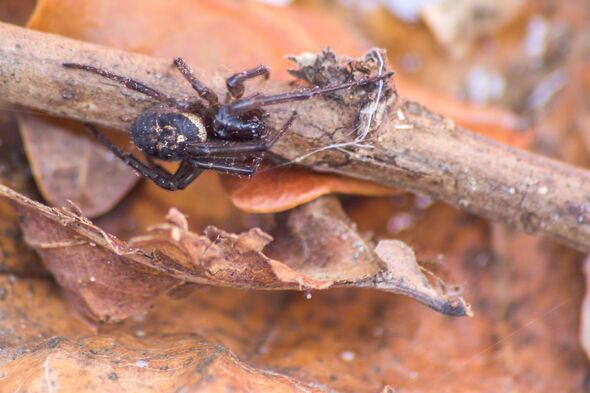
False widows are often found in sheds, outbuildings and porches as well as inside your home, and you can identify their webs by the loose tangle of silk, with a tube in one corner where the spider will hide.
The British Pest Control Association recommends vacuuming these webs to remove them and discourage the spiders from making your home into theirs. It's also a good idea to seal up harborage points in your porches and conservatories to stop the spiders from moving in.
If you do happen to be bitten by one, it's important to keep an eye on the bite and see a medical expert if any signs of infection develop.
In the first instance, you should treat the bite with basic first aid by:Washing the bite with soap and water
Placing a cold pack on for a few minutes at a time
If possible, apply a bite spray
Over the next few days, monitor the bite and see a medical expert if any signs of infection develop such as worsening redness, swelling, or pain.
-
Nalgonda man arrested for obscene comments against actress Anasuya Bharadwaj

-
We can’t have fishing inquiry, says SC on allegation of addition of voters in WB

-
Bengal polls a battle of poverty, exploitation for Murshidabad beedi workers

-
Rahul Gandhi claims PM Modi went to Israel complying with Trump’s diktat

-
Noida woman faces rape threats for defending Muslim couple