
They say it takes a village to raise a child - but more than one in 10 modern parents have no one to support them. A study of 1,000 mums and dads of children aged 10 and under, found 71% admitted they would have been lost without the help of others, with the average parent having five people on hand to make life easier.
But busy work schedules, living too far from relatives and not wanting to burden others have been blamed for it being harder to build a village around you as a parent today. Along with friends being at different life stages, a lack of local community and smaller family networks.
As a result, 56% relied on virtual support from a group of online parents, including the likes of parenting group chats, Facebook groups and Instagram pages.
Melissa Cohen, spokesperson for Vitabiotics Pregnacare, which commissioned the research, said: "Support during pregnancy and while parenting can make all the difference, but not everyone has a village around them.
"Many are living further away than ever from friends and family and building a village from scratch can seem like a daunting prospect. But it doesn't have to be vast, with a crowd of people around you.
"Whether it's physical support, someone on the end of the phone or even online, it all helps to give you guidance, advice or simply just an ear when you need it."
The study also found parents feel the most important people to have in their so-called 'village' is other mums and dads who had been there and done it before.
They also agreed someone who can be your emotional support is essential, along with a practical helper - someone who can cook for you in the early days, or be on hand to help with an emergency school run.
But 16% think it's important that at least one person in your close circle doesn't have children, to provide respite from the baby talk.
For 42%, the biggest benefit of having a village of people to help was simply feeling less alone, followed by having support during difficult moments and reducing stress or anxiety.
More than a third also said having people around to support helped them gain more confidence in the parenting decisions they made and allowed them them to enjoy parenting more.
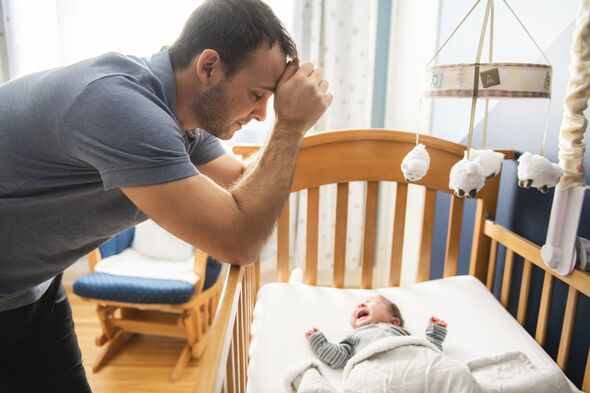
However, when it comes to asking for help, parents found it difficult to ask for support simply to allow them to have time for themselves. Meanwhile, a quarter struggled to ask for help overnight, and 21% found it hard to admit they were finding things difficult generally.
Others found it hard to ask for help with household tasks, emotional reassurance and even help with childcare.
Yet, the research showed 51% of those polled would be honoured to be thought of as part of someone's 'village'. Emotional support was considered the most important role (44%), ahead of practical help (38%) and giving honest advice instead of perfect answers (38%).
Antenatal teacher, and birth and postnatal doula, Sarah Ockwell-Smith, said: "As humans we are meant to parent as a tribe, sharing the roles, both emotional and physical, with each other.
"Only a generation or two ago the mental and physical load would be shared with family who lived nearby and would be able to step in at any moment.
"Now, we are all so busy working, keeping a roof over our heads, putting food on the table, and making sure that our children are happy and healthy, often entirely alone, and unsupported, and it's no surprise that so many struggle.
"We simply weren't meant to do it alone. The good news though is that it is possible to build a constellation of much needed support around you, with just a few easy to follow tips.
"We are all better parents when we feel like we are part of a nurturing community, sometimes we are lucky enough to have that social support naturally and sometimes we have to work to create the community that we so need."
Don't be afraid to speak to other parents
Yes, it can be hard if you're an introvert, but that other mum or dad at the playgroup you visit who you desperately wish would ask you to meet up for coffee may be thinking the same about you. Try to be brave and make the first move.
Don't wait to be offered help, ask for it
Sometimes people would love to help out but don't want to overstep the line because they worry you will feel that they are interfering and meddling. Asking family or friends to do something specific for you is much more likely to result in the help that you need.
Start a WhatsApp group
If you go to a baby class or group, ask the person who runs it if they could suggest that you all share contact details, or, with everybody's consent set up a WhatsApp (or similar) group that you can all keep in touch on. Getting the group organiser to do this takes the pressure off of you (and others).
Find your tribe online
The internet can be an amazing way to meet other parent friends, especially if you live in an area where it's tricky for you to meet people in real life. Try to find groups for areas that interest you, or that you identify with in your parenting, to find soulmates (for instance natural parenting groups, international and multi-lingual families, single parent families etc.).
Don't compare yourself to people on the internet
Meeting other parents online is a brilliant way to build a village, but it can be tough sometimes too, especially if you feel like everybody else is much more together and a better parent than you. Remember online isn't real-life, it's a carefully curated image. In reality these parents who seem to be perfect are also dealing with sleepless nights, messy homes, toddler tantrums, and feelings of inadequacy, however perfect they may appear to be.
-
Summer Hair Care: Curd vs Yogurt

-
Study reveals how to spot golddiggers — both men and women

-
Canine couture gets a major glow-up with gold, diamond and ruby custom collars — for a whopping $150K

-
Controversy broke out over city puja in Ujjain, Mahakal Sena wrote a letter to Akhara Parishad asking for a reply, read news

-
Big relief for mobile users, now Aadhaar App will not be forced on the phone, government took a U-turn