In many families, a common scenario unfolds: a mother restricts a child from doing something, only for the father to chime in with, "It's not a big deal—let them go ahead!" Alternatively, while a father is explaining something, the mother might interrupt with, "You have no idea what you're saying!"
At first glance, these interactions may appear trivial. However, it’s crucial to recognize the profound and potentially harmful effects this behavior can have on a child's developing mind. If you find yourself engaging in this pattern, it’s time to reflect. Let’s delve into how this parental dynamic can threaten a child's future.
Confusion Arises in Children
When parents frequently disagree and contradict each other, it leaves the child feeling confused. They struggle to determine whose guidance to follow—Mom's or Dad's? This inconsistency can blur the lines between right and wrong in their perception.
Diminishing Respect for Parents
When one parent undermines the other in front of the child, it can lead to a decline in the child's respect for that parent. The child may start to think, "If Mom or Dad doesn’t listen to them, why should I?" Over time, this can result in the child disregarding parental instructions and becoming more defiant.
Exploiting Parental Disagreements
Children are incredibly perceptive. Once they notice that their parents do not share a common viewpoint, they may take advantage of this to get their way. For example, if Mom prohibits them from watching TV, they might immediately approach Dad, knowing he might overturn her decision. This behavior teaches children how to manipulate situations to their benefit, leading to stubbornness.
Adopting Unhealthy Communication Styles
Children often mirror the behaviors they observe in their parents. If they see constant interruptions and a lack of listening during conversations, they are likely to adopt these negative communication patterns themselves. This can manifest in their interactions with friends, teachers, and others in their lives.
Creating a Stressful Home Environment
Frequent disagreements and arguments between parents can create a tense atmosphere at home. Children can sense when things are amiss, leading to feelings of fear and stress that can undermine their self-esteem.
Strategies for Parents
Effective parenting requires teamwork. Even if you disagree with your partner’s approach or discipline, avoid contradicting them in front of the child. Instead, support their decision in the moment. Later, when the child is not around, discuss your concerns privately and calmly. Always show your child that you and your partner are united. Remember, your shared understanding, respect, and love form the strongest foundation for your child's future.
Conclusion
PC Social Media
-
Afghanistan Pacer Hospitalised In Delhi With Life-Threatening Illness

-
Bhopal’s Best Brews: 10 Cafés You Must Go For Coffee

-
Gurugram School Principal Arrested For Defrauding Students With Fake CBSE Accreditation, 11 To Miss Board Exam

-
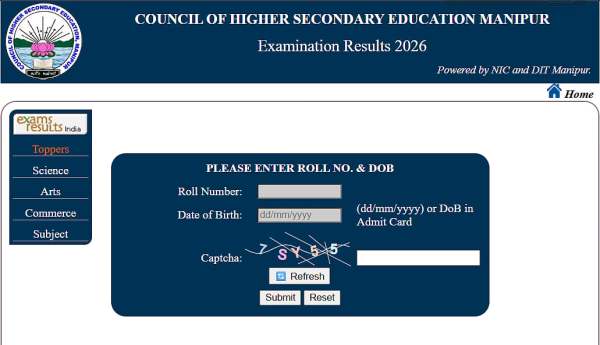
Manipur HSE Result 2026 Declared: Meet Top 3 Toppers Across Science, Commerce & Arts
-
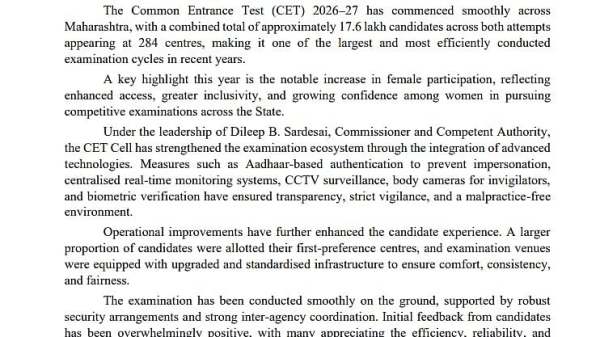
CET 2026–27 Conducted Smoothly Across Maharashtra; Female Participation Surges