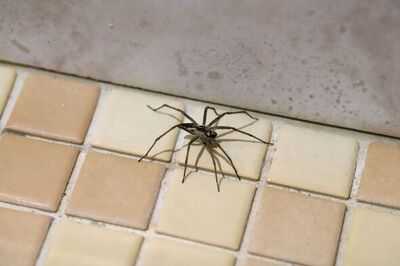
As the UK begins to warm up, animals of all kinds are coming out of their cosy, low-activity hibernation spells.
Spiders happen to be one of the creatures poised for frantic activity in the coming months, with spider season in the UK just around the corner.
Being bitten by these arthropods is no joke, and hospitals in England have seen admissions from spider bites double up in the last decade.
According to a freedom of information (FOI) request by the Press Association, provisional NHS figures have shown that there were 100 hospital admissions as a result of "contact with or toxic effect of spiders" in 2025. This compares to just 47 hospital admissions in 2015.
The UK in particular has seen a sharp rise in numbers of the false widow spider, described by experts as "the most dangerous spider breeding in Britain".
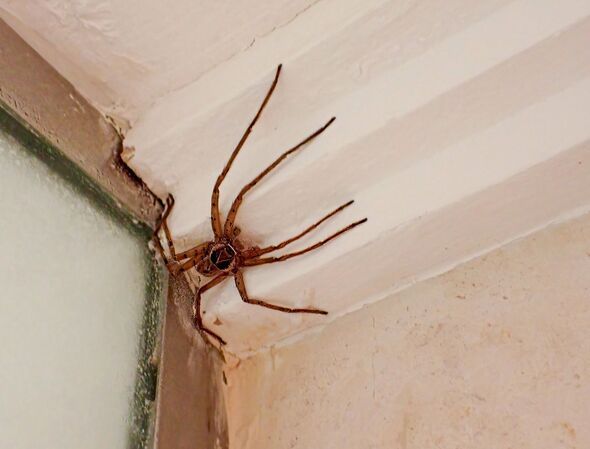
So, how does one protect themselves against a spider bite?
Daniel Steward, Managing Director of Shield Pest Control - a pest control company that holds a Royal Warrant, meaning they regularly works alongside the Royal Family to ensure that their homes and workspaces are pestfree - has shared the most effective and affordable natural methods by which these arachnids can be deterred.
How to protect against spider bitesThe pest control expert shares: "A great natural spider deterrent is a mixture of white vinegar and water sprayed onto areas where spiders are commonly found. Spiders are highly sensitive to strong smells and acidity, which overwhelms their senses and encourages them to stay away. Spiders smell through their legs, making strong scents particularly effective."
The specialist has also listed other natural remedies for protecting against painful spider bites, and one of them is a kitchen staple costing merely 21p.
Daniel shares: "Other natural repellents like garlic, peppermint, and cinnamon can also help for the same reason."
A four-pack of Garlic at Sainsbury's costs just 87p, which works out to 21p per bulb - not a bad price to pay for getting rid of these pesky creatures.
 How to use the 21p kitchen staple hack
Using garlic as a natural spider deterrent is easy - all you have to do is smash 5-6 cloves of garlic, put them in a spray bottle and add water.
Let the mixture rest overnight and the next morning, you'll have your own personal garlic spray, ready to battle it out with these eight-legged critters.
Next up, spray your garlic concoction in the spider-prone areas of your home. Remember to get those hard-to-reach, easily missable corners that would otherwise be overlooked.
Word of warning: obviously garlic has a pungent smell, so be prepared to have a little garlicky waft around the home after you spray.
How to reduce the number of spiders in your homeDaniel has other tricks up his sleeve too, as the pest control expert shares more ways to keep spiders at bay: "Peppermint oil is one of the more reliable natural deterrents due to spiders' strong sense of smell, and you can also try placing peppermint plants around your home for a longer-lasting effect."
To tackle the number of spiders being produced, the pest control expert's preferred method is to use a firm stiff broom or a handheld vacuum cleaner to physically remove spider egg sacs and webs. This disrupts their habitat and helps prevent future infestations in your home and indoor spaces.
The specialist explains: "Spiders thrive in warm, damp, and undisturbed environments, so it's not uncommon to find them in places like bathrooms.
"Using a dehumidifier can help reduce moisture and make the space less appealing to them. In bedrooms and living rooms, spiders are more likely to settle in cluttered areas where they can hide undisturbed, so decluttering and keeping the home clean can make a big difference."
According to the expert, it's equally vital to inspect for any cracks or gaps around windows, doors and foundations.

"Spiders can easily slip through small openings, so sealing these entry points can help stop them getting inside. Preventing spiders from entering the home can be challenging as they can squeeze through tiny gaps, but creating a physical barrier and maintaining a clean environment can significantly reduce the chances of them settling indoors."
While many people swear by conkers as a natural spider deterrent, there isn't too much scientific evidence to support the claim, so the 'conker remedy' shouldn't be the only solution you're relying on if you start to notice increased spider activity in your indoor spaces.
According to Daniel, in the majority of cases, combining natural repellents with keeping a tidy, clutter-free home is sufficient to keep spiders under control.
That said, if the issue begins to feel unmanageable, bringing in professional pest control services is the recommended course of action.
-
New Labour Code Explained: Who Gains Most from the 50% Salary Rule and What It Means for Your Pay

-
WATCH: Uninvited Local Leader Destroys Cricket Pitch With Tractor

-
iPhone 17 Pro Max Gets Rs 56,000 Cheaper: This Is How You Can Claim The Deal

-
Liquor Stocks Rally: Karnataka's New Rule Could Change What You Pay For Alcohol

-
'Last University Standing In Gaza,' The Strokes End Set Calling Out US-Israel Bombings