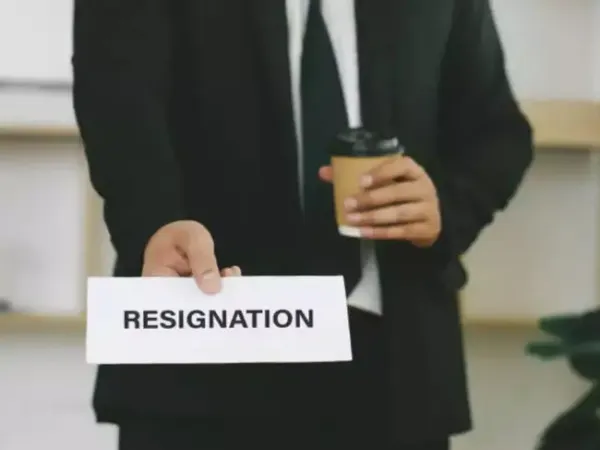
Family photo removed, employee quits immediately, manager says resignation without backup is a company red flag. (Image for representation)
In today’s workplace, conversations around employee well-being and company culture continue to grow. While organizations often focus on productivity and brand identity, employees increasingly value personal space and respect. A recent X post has reignited this debate, showing how even a small decision can lead to a larger reaction and, moreover, how it can lead HR and managers moving in different directions.
According to the X post, HR informed a manager that an employee had resigned immediately. The reason appeared unusual at first, a disagreement over a desktop background. The employee had changed his company computer wallpaper to a family photo.
The manager reportedly objected, saying personal images diluted brand immersion. The wallpaper was remotely reset to the company logo, and the employee’s file was updated with a note about “potential loyalty drift.” The situation escalated quickly, leading to the employee’s resignation.
The conversation soon revealed a clear divide between HR and the manager over how the situation should be viewed. The manager repeatedly described the issue as a straightforward policy matter. He argued that personal images on company devices dilute brand immersion and insisted that “rules are rules.” From his perspective, resetting the wallpaper to the company logo and documenting the incident as “potential loyalty drift” was simply enforcing standards.
HR, however, challenged this approach. They pointed out that the image was only on a private desktop and not part of any public-facing material. HR said that the employee had explained it was a harmless personal photo and that removing it felt unnecessarily strict. The disagreement deepened when HR suggested the employee interpreted the action as a sign that the company was uncomfortable with basic humanity.
The divide widened further over the resignation itself. The manager questioned how the employee could quit without another job lined up, calling it a red flag. HR countered that such decisions often signal problems within workplace culture rather than with the individual. This back-and-forth highlighted two contrasting priorities, one centered on policy enforcement and brand identity, the other focused on empathy, personal space, and how employees perceive respect at work.
The takeaway is straightforward. Workplace culture is often defined by everyday decisions. Even minor actions can influence morale, trust, and retention. The viral post highlights that balancing company identity with empathy can play a key role in building a supportive work environment.
Company policy vs with personal need
According to the X post, HR informed a manager that an employee had resigned immediately. The reason appeared unusual at first, a disagreement over a desktop background. The employee had changed his company computer wallpaper to a family photo.
The manager reportedly objected, saying personal images diluted brand immersion. The wallpaper was remotely reset to the company logo, and the employee’s file was updated with a note about “potential loyalty drift.” The situation escalated quickly, leading to the employee’s resignation.
The turning point
The conversation soon revealed a clear divide between HR and the manager over how the situation should be viewed. The manager repeatedly described the issue as a straightforward policy matter. He argued that personal images on company devices dilute brand immersion and insisted that “rules are rules.” From his perspective, resetting the wallpaper to the company logo and documenting the incident as “potential loyalty drift” was simply enforcing standards.
HR, however, challenged this approach. They pointed out that the image was only on a private desktop and not part of any public-facing material. HR said that the employee had explained it was a harmless personal photo and that removing it felt unnecessarily strict. The disagreement deepened when HR suggested the employee interpreted the action as a sign that the company was uncomfortable with basic humanity.
It's HR vs manager
The divide widened further over the resignation itself. The manager questioned how the employee could quit without another job lined up, calling it a red flag. HR countered that such decisions often signal problems within workplace culture rather than with the individual. This back-and-forth highlighted two contrasting priorities, one centered on policy enforcement and brand identity, the other focused on empathy, personal space, and how employees perceive respect at work.
The takeaway is straightforward. Workplace culture is often defined by everyday decisions. Even minor actions can influence morale, trust, and retention. The viral post highlights that balancing company identity with empathy can play a key role in building a supportive work environment.