
While the appeal of growing this stunning bloom is strong, horticulturalists are warning against it due to a worrying climate-related issue.
As UK temperatures rise, many plants could struggle. This particularly affects species that rely on regular moisture and milder conditions, which are now wilting during prolonged hot, dry spells with little rainfall.
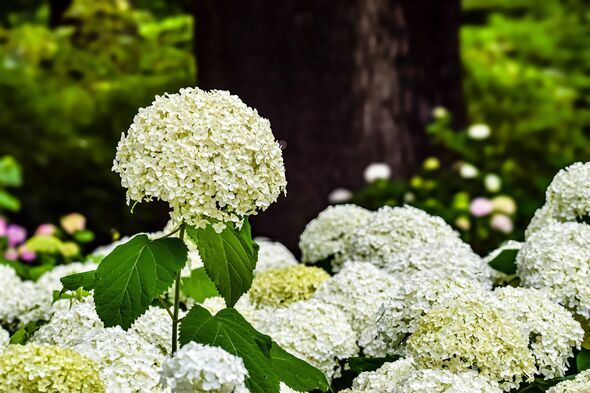
Unfortunately, hydrangeas, celebrated for their striking pink, purple and blue flowers, are finding conditions especially challenging. This stems from their requirement for damp soil with frequent watering.
During hot, sunny spells, moisture evaporates rapidly from the ground's surface. Sometimes, this occurs before plants can properly absorb it.
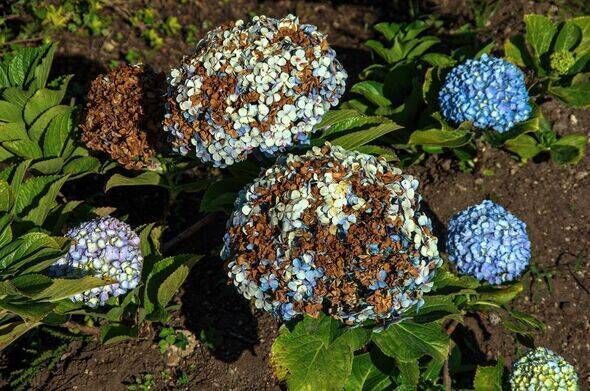
Signs your hydrangea might be suffering from heat stress include leaves looking burnt and twisted, petals browning, and drooping branches indicating the plant's distress, reports the Liverpool Echo.
While this news may disappoint keen gardeners, abandoning hopes of a lush garden isn't necessary.
Many plants and flowers possess beneficial qualities enabling them to thrive in dry environments.
Various species, such as succulents, which originate from desert regions and have adapted to require minimal hydration, can also tolerate intense sunshine.
Typical drought-resistant features include thick, waxy coatings, which help plants retain moisture.
Many species also possess fleshy stems and foliage capable of storing water. However, your drought-proof garden needn't be restricted to cacti alone.
Stunning flowering options include lantanas and blanket flowers, both hardy and vibrant choices.
An added benefit of selecting drought-tolerant plants is that many are perennials. This means a single purchase provides years of enjoyment, unlike seasonal bedding varieties.
These plants will also attract various insects and pollinators to your garden. While these creatures are often unfairly maligned, they're essential for maintaining your garden's ecological balance.
Your selection needn't stop at flowers, either. Herbs make excellent choices as they're generally quite drought-resistant, including fennel, coriander, parsley, chives and thyme.
What's more, these can double up for culinary use. Particularly coriander, which features prominently in numerous cuisines, including Indian, Mexican and Middle Eastern fare. Herbs such as parsley and thyme also feature in many traditional British recipes.