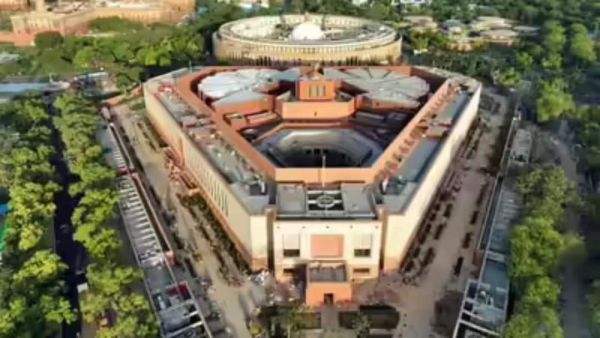
The Bharatiya Janata Party-led government has planned to present a bill on Thursday to increase the Lok Sabha seats from 543 to 850 to operationalise 33 per cent reservation to women, PTI reported. The proposed legislation seeks to redraw constituencies based on the 2011 Census data and includes an amendment to Article 81 of the Constitution.
What the Bill says?
Under the proposed changes, the Lok Sabha would comprise up to 815 members elected from states and up to 35 members representing Union Territories, to be chosen as prescribed by Parliament. The Bill clarifies that “population” refers to figures derived from the most recent published Census, which currently remains the 2011 Census.
In addition, the government plans to introduce a Constitution Amendment Bill, a delimitation Bill, and an enabling law for Delhi, Jammu and Kashmir, and Puducherry, Union Territories with legislatures, to expedite the implementation of the Women’s Reservation Act, 2023.
The statement of objects and reasons notes that waiting for the next Census and subsequent delimitation would significantly delay women’s participation in governance.
The proposed legislation, therefore, aims to operationalise one-third reservation for women, including those from Scheduled Castes and Scheduled Tribe, in the Lok Sabha and state legislative assemblies through a delimitation exercise based on the latest available Census data.
"The next census and the consequential delimitation exercise thereafter will take considerable time and thus, delay the effective and dedicated participation of women in our democratic polity. Hence, the objective of the proposed bill is to operationalise one-third reservation for women, including women belonging to the Scheduled Castes and the Scheduled Tribes, in the House of the People and the legislative assemblies of the states, the National Capital Territory of Delhi and the Union territories through delimitation exercise to be undertaken on the basis of the population figures of the latest published census," says the statement of objects and reasons of the draft Constitution amendment bill.
Centre Vs Opposition Over Delimitation
-
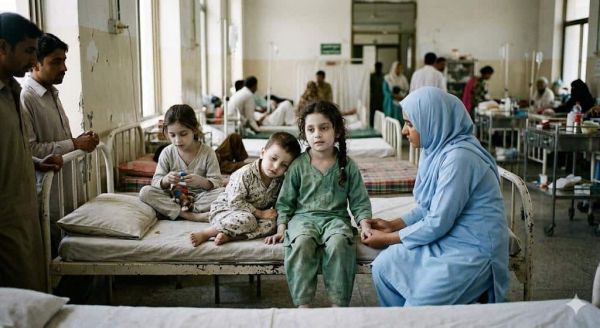
Pakistan Hospital Under Scanner After 331 Children Contract HIV From Syringe Reuse
-
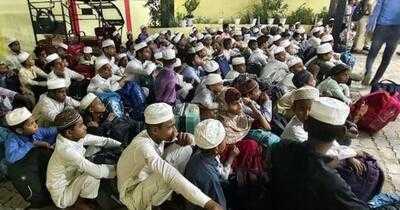
Railway police 'rescue' 163 Bihar children. Parents say they were going to madrasas to study
-
Masters prize money: Former champions paid $375,000 for not playing at Augusta

-
Delhi Weather LATEST Update: Scorching Days Return to Delhi-NCR, Relief May Be Around the Corner
-
Nutritionist recommends two supplements she would take 'on a daily basis'