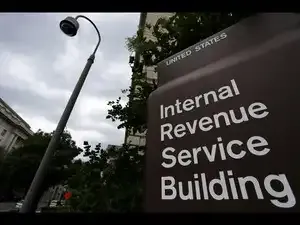
The April 15 tax deadline is very close, and many people may need more time to file their taxes. If you need extra time, you can take it by filing for an extension instead of rushing your tax return. The extension lets you delay filing your tax return till October 15 without giving any reason. To apply, you only need basic details like your name, address, Social Security number, and estimated tax amount.
The form you need is very short — less than one page — so it is quick to fill. Very important: getting an extension only delays filing, NOT paying your taxes. This means if you owe money, you still must pay it by April 15 to avoid penalties. “Taxes are still owed by April 15,” said Carl Breedlove from H&R Block, as cited by USA Today.
Filing online is faster and safer if you are short on time. If you owe money, you can simply make an online payment and select “extension” as the type. In this case, you don’t even need to file Form 4868 separately. Some people, like disaster victims, military members, or those living abroad, may get extra time automatically.
This adds 0.5% per month on unpaid tax, up to 25%. If you still don’t pay after IRS warning, the penalty increases to 1% per month. The IRS can even warn about seizing assets if taxes remain unpaid. On top of penalties, the IRS also charges interest on unpaid tax. Interest rates change, but early this year it was around 7% and compounds daily.
You can quickly file Form 4868 online or through IRS Free File to get time till October 15.
Q2. Do I still have to pay taxes if I file an extension?
Yes, you must still pay your estimated tax by April 15 or penalties and interest will be charged.
The form you need is very short — less than one page — so it is quick to fill. Very important: getting an extension only delays filing, NOT paying your taxes. This means if you owe money, you still must pay it by April 15 to avoid penalties. “Taxes are still owed by April 15,” said Carl Breedlove from H&R Block, as cited by USA Today.
When should you file for an extension?
You should file for an extension if you are missing important tax documents. This includes documents like K-1 forms that come from third parties and may arrive late. Filing an extension gives you more time to collect all needed information properly.How to file for an IRS extension
If you don’t owe any taxes, you can use IRS Free File online to request an extension. Another option is to submit Form 4868, which is the official extension form. If you are mailing the form, it must be sent before April 15. Postal delays can cause problems, so your form might be considered late if not postmarked on time, as per USA Today. To be safe, you can go to the post office and get a hand-stamped postmark.Filing online is faster and safer if you are short on time. If you owe money, you can simply make an online payment and select “extension” as the type. In this case, you don’t even need to file Form 4868 separately. Some people, like disaster victims, military members, or those living abroad, may get extra time automatically.
What happens if you don’t file an extension?
If you miss the deadline and don’t file an extension, penalties start immediately. The IRS charges a “failure to file” penalty of 5% of unpaid tax every month. This penalty can go up to a maximum of 25% of the tax owed. If your return is over 60 days late, there is also a minimum penalty, as cited by USA Today. The minimum penalty is $525 or 100% of the tax owed — whichever is less. There is also a “failure to pay” penalty if you don’t pay taxes on time.This adds 0.5% per month on unpaid tax, up to 25%. If you still don’t pay after IRS warning, the penalty increases to 1% per month. The IRS can even warn about seizing assets if taxes remain unpaid. On top of penalties, the IRS also charges interest on unpaid tax. Interest rates change, but early this year it was around 7% and compounds daily.
Important relief point
If you don’t owe any tax or are getting a refund, there is NO penalty for filing late. But you still should file soon because you won’t get your refund until you file.How to estimate your tax
To estimate tax, multiply your extra income by your tax rate. Experts suggest adding some extra amount as a safety buffer, as per Yishai Kabaker via USA Today.What if you can’t pay full tax?
If you cannot pay the full amount, you can apply for an IRS payment plan. The IRS usually gives quick approval after you apply. There are different payment plans available depending on your situation.Don’t forget state taxes
State tax deadlines are often the same as federal deadlines. Filing a federal extension does NOT always mean your state taxes are extended. Some states need a separate extension form, while others accept the federal extension. So, you must check your state’s rules carefully.FAQs
Q1. How can I get a tax extension after missing the April 15 deadline?You can quickly file Form 4868 online or through IRS Free File to get time till October 15.
Q2. Do I still have to pay taxes if I file an extension?
Yes, you must still pay your estimated tax by April 15 or penalties and interest will be charged.