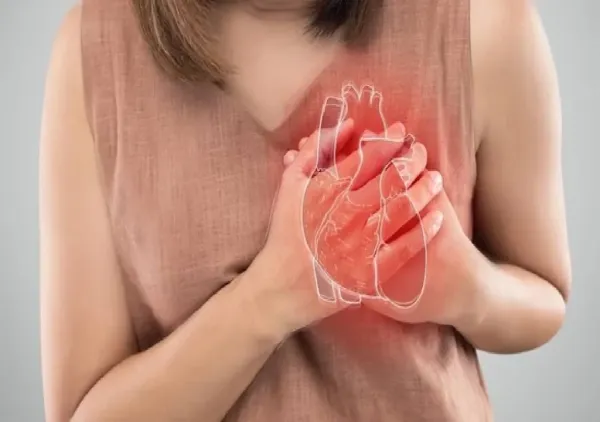
A heart attack may appear sudden, but medical experts say it is often the result of a slow, silent process that develops inside the arteries over many years. According to cardiologists, understanding this hidden progression can help individuals take preventive action before a life-threatening event occurs.
A heart attack, medically known as Myocardial infarction, usually happens when blood flow to the heart is blocked. However, this blockage does not occur overnight—it is the culmination of long-term damage within the arteries.
Damage begins in artery lining
Doctors explain that arteries are not just simple tubes carrying blood. They have an inner lining made of living tissue, which can get damaged over time.
This damage is often caused by lifestyle and metabolic factors such as high blood pressure, high cholesterol, smoking, and uncontrolled diabetes. These conditions gradually weaken the inner lining of the arteries, setting the stage for further complications.
Formation of plaque over time
Once the artery lining is damaged, the body tries to repair it. However, this repair process can become harmful in the long run. Fatty substances begin to accumulate at the damaged sites, forming deposits along the artery walls.
Over time, these deposits harden into plaque in a process known as Atherosclerosis. This condition narrows the arteries and restricts blood flow.
Experts note that atherosclerosis can begin as early as a person’s twenties, silently progressing for years without noticeable symptoms.
When a heart attack occurs
A heart attack typically occurs when a plaque ruptures, leading to the formation of a blood clot. This clot can completely block blood flow to a part of the heart, depriving it of oxygen and causing damage to the heart muscle.
Because the process develops gradually, many individuals are unaware of the risk until a major event occurs.
Early warning signs often ignored
Although the process is silent, the body may show warning signs before a heart attack. These symptoms are often mild or mistaken for less serious issues.
Common early signs include:
- Unexplained fatigue
- Chest pain during physical activity
- Shortness of breath
- Pain in the upper back, arm, or jaw
Health experts advise that such symptoms should not be ignored, as early medical intervention can prevent serious complications.
Importance of prevention
Doctors emphasise that lifestyle changes play a crucial role in reducing the risk of heart disease. Maintaining a healthy diet, regular exercise, quitting smoking, and managing conditions like diabetes and hypertension can significantly slow down or prevent artery damage.
Regular health check-ups can also help detect early signs of artery blockage, allowing timely treatment.
Conclusion
A heart attack is not a sudden event but the result of years of silent damage within the arteries. By recognising the early signs and addressing risk factors, individuals can take proactive steps to protect their heart health and reduce the likelihood of a life-threatening episode.
-
Virgo Horoscope Today, April 24, 2026: Why Overthinking Could Be Your Biggest Challenge Today

-
May 2026 SSI payment schedule: Will millions get benefits on May 1, and how much will they receive?

-
Bluestone Q4 revenues up 48%, swings to full-year profit

-
In two Amazon units, 'builder' replaces traditional job titles

-
Microsoft plans first voluntary employee buyout: Report