The New electric vehicle policy has been crafted with a "citizen-first approach", Delhi Transport Minister Pankaj Singh said on Monday.
The Delhi government released its draft Electric Vehicle (EV) Policy for public on Saturday inviting suggestions and comments in 30 days.
"The new policy framework has been carefully designed to ensure that citizens do not face any additional financial burden and can seamlessly transition to electric mobility. All the suggestion given in the period will be duly considered before the policy is finalised and implemented within a short timeframe thereafter," Singh said.
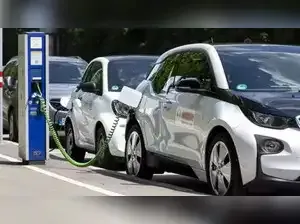
The draft EV Policy 2.0 proposes a comprehensive set of incentives across vehicle segments, including purchase incentives for electric two-wheelers, e-autos and electric goods vehicles, along with scrapping incentives for older polluting vehicles.
Additionally, the policy provides for 100 per cent exemption on road tax and registration fees for EVs, subject to specified condition of cost -- less than Rs 30 lakh ex-showroom price.
"The policy has been crafted with a citizen-first approach, ensuring maximum benefits, especially for middle- and lower-income groups, while eliminating any inconvenience or financial strain," the minister added.
The Delhi government released its draft Electric Vehicle (EV) Policy for public on Saturday inviting suggestions and comments in 30 days.
"The new policy framework has been carefully designed to ensure that citizens do not face any additional financial burden and can seamlessly transition to electric mobility. All the suggestion given in the period will be duly considered before the policy is finalised and implemented within a short timeframe thereafter," Singh said.
The draft EV Policy 2.0 proposes a comprehensive set of incentives across vehicle segments, including purchase incentives for electric two-wheelers, e-autos and electric goods vehicles, along with scrapping incentives for older polluting vehicles.
Additionally, the policy provides for 100 per cent exemption on road tax and registration fees for EVs, subject to specified condition of cost -- less than Rs 30 lakh ex-showroom price.
"The policy has been crafted with a citizen-first approach, ensuring maximum benefits, especially for middle- and lower-income groups, while eliminating any inconvenience or financial strain," the minister added.