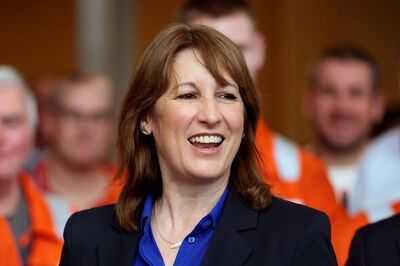
A controversial new "holiday tax" could pile an extra £500million a year onto the cost of UK getaways, with business leaders warning it risks hammering families and choking off tourism. Chancellor Rachel Reeves is facing mounting pressure not to hand mayors sweeping powers to raise cash by slapping levies on overnight stays.
The proposed charges could apply to hotels, campsites and B&Bs - effectively adding a nightly fee for anyone holidaying in Britain. Industry figures say the move would make domestic breaks more expensive at a time when households are already tightening their belts.

According to The Sun, trade body UKHospitality estimates a charge of just £2 per person per night could add around £100 to the cost of a typical two-week family stay in popular seaside destinations like Brighton.
The plans stem from a wider push to give regional leaders more control over local funding. Under the proposals, so-called "visitor levies" would allow city mayors and local authorities to raise money directly from tourists, with the cash supposedly reinvested into infrastructure, public services and maintaining busy destinations.
However, critics argue that the reality is far less appealing. The Confederation of British Industry (CBI) has warned the tax could drive up inflation, deter investment and bury businesses under yet more red tape. Hospitality leaders argue the sector is already one of the most heavily taxed in the UK, facing rising costs from energy bills, wages and existing VAT pressures.
In a strongly worded intervention, more than 200 bosses - including executives from major holiday operators like Butlin's and Haven - have written to Reeves urging her to rethink. They claim the policy risks making Britain less competitive compared to overseas destinations, where tourists may get better value for money without added nightly charges.
CBI head of tax policy Alice Jeffries said: "The Government should be sending a clear signal that the UK is 'open for business,' not putting up barriers to visitors." She warned the levy could act as a "handbrake" on growth, threatening jobs - particularly among younger workers who make up a large share of the hospitality workforce.
Supporters of the tax point out that similar schemes already operate in major European cities, including Paris and Barcelona, where small nightly charges are standard for tourists. Backers argue the funds can help manage overcrowding, improve local amenities and ensure tourism hotspots don't bear the strain without compensation.
However, opponents say the comparison doesn't hold. Unlike international city breaks, domestic UK holidays are often chosen as a cheaper alternative to going abroad. Adding extra costs risks pushing families to book flights instead - ultimately draining money from the UK economy rather than boosting it.
A Government spokesperson said: "No final decision has been made; the design of any visitor levy is still under consideration." Ministers argue the scheme could ensure popular areas benefit more directly from tourism, while giving local leaders greater flexibility to fund services.
-
BRO GREF Recruitment 2026: Apply for Draughtsman, Hindi Typist, and More
-
Asha Bhosle changed what a woman's feeling was allowed to sound like

-
Fiction: Aruna tries to warn Ayaz of an impending massacre of the crowd gathered at Jallianwala Bagh

-
Innovative Culinary Medicine Program Enhances Medical Education in the U.S.

-
Exploring Mumbai's Famous Chor Bazaar: A Shopper's Paradise