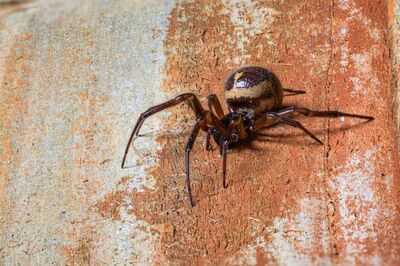
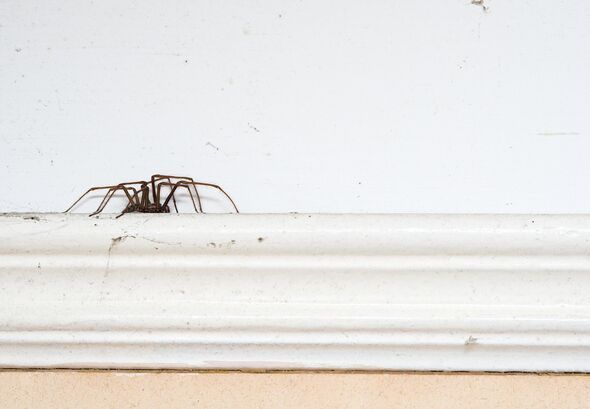
A surge in Britain's false widow spider population has been linked to a sharp rise in hospital admissions for bites, disturbing new figures suggest. Provisional NHS data shows 100 people were admitted to hospital in England in 2025 after "contact with or toxic effect of spiders" - more than double the 47 recorded a decade earlier in 2015.
Experts believe the increase is largely down to the spread of the noble false widow, the biggest and most notorious of the three false widow species found in the UK. Originally thought to have arrived as a stowaway on cargo ships from Madeira and the Canary Islands, the species was first spotted in southern England in 1879 and has since spread rapidly. Now described as the "most dangerous spider breeding in Britain" in a 2020 study, the noble false widow has adapted well to UK homes and is often found in kitchens and other indoor spaces.
In his paper, Oxford University ecologist Clive Hambler warned that the days of harmless British spiders may be over.
"The incidents of severe bites from spiders in Britain will have increased, as this species (false widows) became hugely more abundant in Britain, particularly in the south," The Times reported.
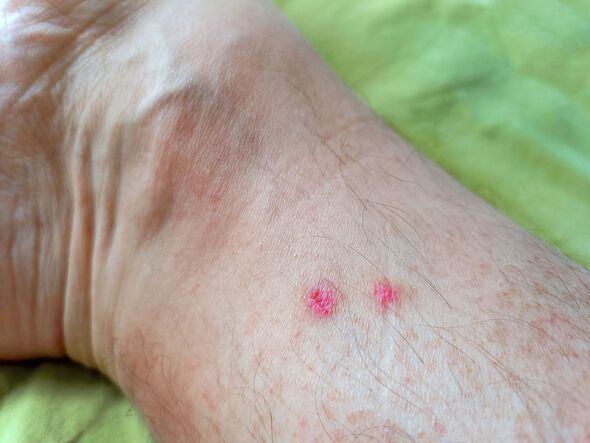
While bites from the spider can be painful, experts say the most severe complications are linked to bacteria the spiders carry rather than the venom itself. In rare cases, this can lead to serious conditions, including sepsis and even amputation or death. He added that the species was "much more willing to bite than many people are willing to admit".
The spider has made a home in the UK and it does not discriminate, with Mr Hambler revealing he had seen the species in the gardens of Buckingham Palace.
There were 43 admissions linked to spider bites in 2021, rising sharply to 95 in 2022. The figures remained high in the following years, with 91 admissions recorded in both 2023 and 2024. Around two-thirds of cases required emergency treatment.
Michel Dugon, a zoologist specialising in venom systems at the University of Galway, said the "not surprising" figures were due to the "explosion in the population of noble false widow".
The NHS advises anyone bitten by a spider to wash the area with soap and water and apply a cold compress to reduce swelling. Painkillers can help ease discomfort, but medical advice should be sought if symptoms worsen, including by calling NHS 111.
-
Himachal Gyan Vigyan Samiti Elects New Executive Committee and Plans Voter Awareness Campaigns
-
Himachal Pradesh Housing Project Controversy: Former Chief Secretary Responds to Allegations

-
'Da Vinci Porul': How a Kerala artist's refutations of Dan Brown's novel became a kathakali play

-
Nashik court sends 'godman' Kharat to seven-day judicial custody in third rape case

-
Bengal: EC deviated from SIR process by introducing 'logical discrepancy' category, observes SC