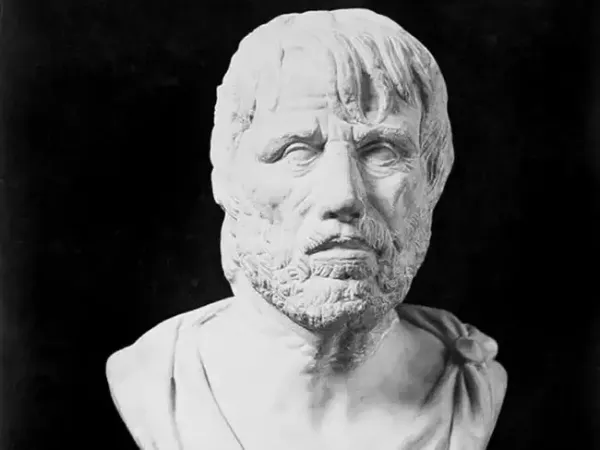
Ancient Roman philosopher Seneca once reflected deeply on how human beings often disturb their own peace of mind. His thoughts on happiness still circulate widely today, especially in Stoic philosophy circles and writings on emotional balance. One of his most quoted ideas comes from his letters, where he links happiness not to wealth or power, but to mental freedom from time-bound fears and regrets.
The quote of the day reads: “To be happy, you must eliminate two things. The fear of a bad future and the memory of a bad past.”
At first glance, the line feels simple, almost obvious. But in reality, it touches something most people struggle with daily. Seneca is pointing to the way the human mind keeps swinging between anxiety about what may happen and regret about what already happened. According to him, both these mental habits quietly take away present peace.
In simple terms, Seneca is saying happiness does not come from controlling the entire world around us. Instead, it comes from controlling how we respond internally to time itself. The future is uncertain, and the past cannot be changed, yet the mind often treats both as if they are active threats.
The second layer of meaning is more psychological. Seneca suggests that fear of the future creates unnecessary suffering long before anything actually happens. People imagine failure, loss, or disappointment and start feeling that pain in advance. On the other hand, memory of the past brings its own weight, where a person keeps replaying mistakes, losses, or painful experiences again and again. In both cases, the present moment gets ignored or disturbed.
What Seneca is really doing here is guiding the reader toward a more stable mental state. He is not denying that bad things happen. Instead, he is pointing out that suffering is often multiplied by how we mentally carry time with us.
Where This Idea Comes From in Seneca’s Work
This quote of the day is generally attributed to Seneca the Younger and is linked to his Letters from a Stoic, especially Letter 13 in Epistulae Morales ad Lucilium. In these letters, Seneca writes to his friend Lucilius, offering advice on how to live a more thoughtful and controlled life.
Seneca’s letters were not written as abstract theory. They were personal, practical, and often direct. He was trying to teach philosophy as something lived daily, not just studied. In this particular letter, he deals with fear, suffering, and how people lose happiness by living mentally outside the present moment.
Stoicism, the philosophy Seneca followed, is built on the idea that external events are not fully in our control. What matters more is how we judge those events. So, instead of trying to eliminate all problems in life, Stoics focus on reducing unnecessary mental disturbance.
Stoic Background and Seneca’s Thinking
Seneca was one of the most well-known Roman Stoic philosophers. Born in Corduba (modern-day Spain), he lived during a politically unstable time in the Roman Empire. He served as an advisor and tutor to Emperor Nero, a role that placed him very close to power, but also in constant danger.
His life was not simple or peaceful. He was exiled once, later recalled, and eventually forced into suicide in 65 CE under Nero’s orders after being accused of conspiracy. Despite his political involvement, Seneca consistently wrote about inner freedom and emotional discipline.
Stoicism in general teaches that happiness depends on virtue, reason, and control over one’s reactions. External things like money, fame, or political power are considered unstable and unreliable for true peace of mind. Seneca’s writings strongly reflect this belief.
In many of his works, he criticizes common human tendencies such as anger, fear of death, obsession with wealth, and dependence on public approval. His writing style often feels like advice from a teacher who is trying to correct the reader gently but firmly.
Why Fear of the Future and Memory of the Past Matter
Seneca’s focus on fear and memory is not accidental. He believed these two mental patterns are responsible for a large part of human unhappiness.
Fear of the future creates a constant sense of insecurity. Even when life is stable, the mind imagines possible problems and starts reacting emotionally to events that have not happened. This creates stress that may have no real foundation.
Memory of the past works in a similar way, but in reverse. Instead of projecting forward, the mind keeps pulling a person backward. Mistakes are replayed, regrets are re-experienced, and old pain is mentally revived. This prevents emotional healing and makes it harder to move forward.
Seneca’s idea is that both of these patterns pull attention away from the present. And for Stoics, the present moment is the only real space where life actually happens.
Seneca’s Life and Why His Ideas Feel Personal
One reason Seneca’s writing continues to attract attention is because his own life was full of contradictions. He spoke about simplicity and inner peace, yet he was one of the wealthiest men in Rome. He advised emperors, yet wrote about the value of withdrawing from public ambition.
This tension is often discussed by historians. Some see him as inconsistent, while others see him as someone trying to practice philosophy in a very difficult real-world situation. His letters often feel like a man reminding himself as much as others.
He openly admits in several places that he does not always live up to his own ideals. This honesty makes his philosophical advice feel less rigid and more human. He is not presenting himself as perfect, but as someone struggling toward better thinking.
In modern life, Seneca’s message feels surprisingly familiar. Many people today live in a cycle of anxiety about the future—career pressure, financial uncertainty, relationship fears—and at the same time carry emotional baggage from past experiences.
The idea of being mentally trapped between “what might go wrong” and “what went wrong” is something most people can relate to without much explanation. Seneca’s suggestion is not to ignore reality, but to reduce unnecessary mental suffering that comes from time-related thinking.
Even in simple daily situations, this idea can be seen clearly. A person preparing for an exam may lose focus because of fear of failure, while another may feel stuck because of a previous bad result. In both cases, present action becomes weaker.
Stoicism, as Seneca presents it, tries to bring attention back to what can actually be done right now. Not everything can be controlled, but response and mindset can be adjusted.
The quote of the day reads: “To be happy, you must eliminate two things. The fear of a bad future and the memory of a bad past.”
At first glance, the line feels simple, almost obvious. But in reality, it touches something most people struggle with daily. Seneca is pointing to the way the human mind keeps swinging between anxiety about what may happen and regret about what already happened. According to him, both these mental habits quietly take away present peace.
In simple terms, Seneca is saying happiness does not come from controlling the entire world around us. Instead, it comes from controlling how we respond internally to time itself. The future is uncertain, and the past cannot be changed, yet the mind often treats both as if they are active threats.
The second layer of meaning is more psychological. Seneca suggests that fear of the future creates unnecessary suffering long before anything actually happens. People imagine failure, loss, or disappointment and start feeling that pain in advance. On the other hand, memory of the past brings its own weight, where a person keeps replaying mistakes, losses, or painful experiences again and again. In both cases, the present moment gets ignored or disturbed.
What Seneca is really doing here is guiding the reader toward a more stable mental state. He is not denying that bad things happen. Instead, he is pointing out that suffering is often multiplied by how we mentally carry time with us.
Where This Idea Comes From in Seneca’s Work
This quote of the day is generally attributed to Seneca the Younger and is linked to his Letters from a Stoic, especially Letter 13 in Epistulae Morales ad Lucilium. In these letters, Seneca writes to his friend Lucilius, offering advice on how to live a more thoughtful and controlled life.Seneca’s letters were not written as abstract theory. They were personal, practical, and often direct. He was trying to teach philosophy as something lived daily, not just studied. In this particular letter, he deals with fear, suffering, and how people lose happiness by living mentally outside the present moment.
Stoicism, the philosophy Seneca followed, is built on the idea that external events are not fully in our control. What matters more is how we judge those events. So, instead of trying to eliminate all problems in life, Stoics focus on reducing unnecessary mental disturbance.
Stoic Background and Seneca’s Thinking
Seneca was one of the most well-known Roman Stoic philosophers. Born in Corduba (modern-day Spain), he lived during a politically unstable time in the Roman Empire. He served as an advisor and tutor to Emperor Nero, a role that placed him very close to power, but also in constant danger.His life was not simple or peaceful. He was exiled once, later recalled, and eventually forced into suicide in 65 CE under Nero’s orders after being accused of conspiracy. Despite his political involvement, Seneca consistently wrote about inner freedom and emotional discipline.
Stoicism in general teaches that happiness depends on virtue, reason, and control over one’s reactions. External things like money, fame, or political power are considered unstable and unreliable for true peace of mind. Seneca’s writings strongly reflect this belief.
In many of his works, he criticizes common human tendencies such as anger, fear of death, obsession with wealth, and dependence on public approval. His writing style often feels like advice from a teacher who is trying to correct the reader gently but firmly.
Why Fear of the Future and Memory of the Past Matter
Seneca’s focus on fear and memory is not accidental. He believed these two mental patterns are responsible for a large part of human unhappiness.Fear of the future creates a constant sense of insecurity. Even when life is stable, the mind imagines possible problems and starts reacting emotionally to events that have not happened. This creates stress that may have no real foundation.
Memory of the past works in a similar way, but in reverse. Instead of projecting forward, the mind keeps pulling a person backward. Mistakes are replayed, regrets are re-experienced, and old pain is mentally revived. This prevents emotional healing and makes it harder to move forward.
Seneca’s idea is that both of these patterns pull attention away from the present. And for Stoics, the present moment is the only real space where life actually happens.
Seneca’s Life and Why His Ideas Feel Personal
One reason Seneca’s writing continues to attract attention is because his own life was full of contradictions. He spoke about simplicity and inner peace, yet he was one of the wealthiest men in Rome. He advised emperors, yet wrote about the value of withdrawing from public ambition.This tension is often discussed by historians. Some see him as inconsistent, while others see him as someone trying to practice philosophy in a very difficult real-world situation. His letters often feel like a man reminding himself as much as others.
He openly admits in several places that he does not always live up to his own ideals. This honesty makes his philosophical advice feel less rigid and more human. He is not presenting himself as perfect, but as someone struggling toward better thinking.
In modern life, Seneca’s message feels surprisingly familiar. Many people today live in a cycle of anxiety about the future—career pressure, financial uncertainty, relationship fears—and at the same time carry emotional baggage from past experiences.
The idea of being mentally trapped between “what might go wrong” and “what went wrong” is something most people can relate to without much explanation. Seneca’s suggestion is not to ignore reality, but to reduce unnecessary mental suffering that comes from time-related thinking.
Even in simple daily situations, this idea can be seen clearly. A person preparing for an exam may lose focus because of fear of failure, while another may feel stuck because of a previous bad result. In both cases, present action becomes weaker.
Stoicism, as Seneca presents it, tries to bring attention back to what can actually be done right now. Not everything can be controlled, but response and mindset can be adjusted.