What Really Causes Dandruff? Expert Busts Common Hair Myths
Sanjeev Kumar | April 13, 2026 4:23 AM CST
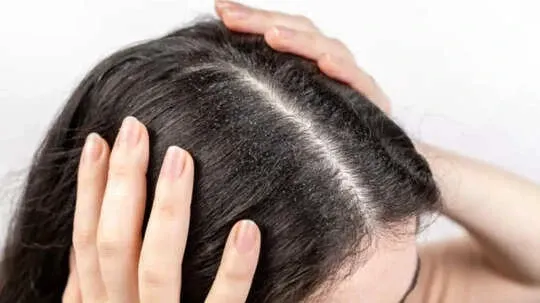
Dandruff is one of the most common scalp conditions, yet it remains widely misunderstood. Many people believe it is simply caused by poor hygiene or not washing hair enough.
However, even those who shampoo regularly can experience persistent flakes, itching, and scalp irritation. The truth is that dandruff is more complex - and understanding its root cause is key to effective treatment.
"While hygiene plays a role in overall scalp care, dandruff itself is not simply a result of poor washing habits. In fact, many individuals who wash their hair regularly still experience persistent flakes and itching," Dr. Priyanka Reddy, founder and chief dermatologist, DNA Skin Clinics, told Times Now Health.
What is dandruff, and what causes it?
Dandruff is a common scalp condition often triggered by fungus feeding on scalp oils. At its core is an overgrowth of a naturally occurring yeast called Malassezia globosa. This microorganism normally exists on everyone's scalp without causing harm. But when the scalp environment is disturbed, it can multiply rapidly. According to Dr. Reddy, there are several factors that trigger this imbalance, a few of which include:
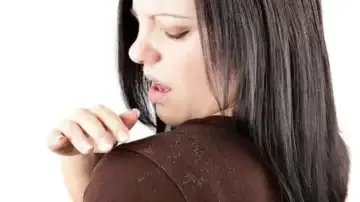 Why do most dandruff treatments fail?
A common mistake in dandruff care is focusing only on removing visible flakes. Many shampoos promise instant results by exfoliating the scalp or slowing skin shedding. While this may temporarily reduce flakes, it doesn't always address the underlying fungal cause. "Many people switch shampoos frequently, choosing products that promise immediate flake removal. While these shampoos may temporarily reduce flakes, they may not always address the underlying microbial cause of dandruff. When the root trigger remains untreated, flakes often return," said Dr. Reddy.
As a result, dandruff often returns, which causes frustration and frequent product switching.
How effective are the anti-dandruff ingredients?
To treat dandruff effectively, it's important to target both the scalp environment and the microbial imbalance. One clinically proven ingredient is Piroctone Olamine. This antifungal compound works by:
Why do most dandruff treatments fail?
A common mistake in dandruff care is focusing only on removing visible flakes. Many shampoos promise instant results by exfoliating the scalp or slowing skin shedding. While this may temporarily reduce flakes, it doesn't always address the underlying fungal cause. "Many people switch shampoos frequently, choosing products that promise immediate flake removal. While these shampoos may temporarily reduce flakes, they may not always address the underlying microbial cause of dandruff. When the root trigger remains untreated, flakes often return," said Dr. Reddy.
As a result, dandruff often returns, which causes frustration and frequent product switching.
How effective are the anti-dandruff ingredients?
To treat dandruff effectively, it's important to target both the scalp environment and the microbial imbalance. One clinically proven ingredient is Piroctone Olamine. This antifungal compound works by:
- Excess oil, or sebum production
- Humid weather and sweating
- Pollution and dirt buildup
- Stress and hormonal changes
- Irregular hair-washing habits
- White or yellow flakes on the scalp and hair
- Red, or irritated scalp
- Greasy and dry scaling skin patches
Why do most dandruff treatments fail?
A common mistake in dandruff care is focusing only on removing visible flakes. Many shampoos promise instant results by exfoliating the scalp or slowing skin shedding. While this may temporarily reduce flakes, it doesn't always address the underlying fungal cause. "Many people switch shampoos frequently, choosing products that promise immediate flake removal. While these shampoos may temporarily reduce flakes, they may not always address the underlying microbial cause of dandruff. When the root trigger remains untreated, flakes often return," said Dr. Reddy.
As a result, dandruff often returns, which causes frustration and frequent product switching.
How effective are the anti-dandruff ingredients?
To treat dandruff effectively, it's important to target both the scalp environment and the microbial imbalance. One clinically proven ingredient is Piroctone Olamine. This antifungal compound works by:
- Controlling the growth of Malassezia
- Reducing scalp irritation and inflammation
- Restoring the scalp's natural balance
- Wash regularly, especially after sweating, to remove excess oil.
- Keep your scalp clean and avoid the buildup of dirt, sweat, and pollutants
- Maintain hygiene by regularly cleaning helmets, combs, and hair accessories
- Avoid moisture buildup by not leaving your scalp damp for long periods
- Manage stress as it worsens scalp conditions
READ NEXT
-
Dolly Martinez dead: My 600lb Life star dies aged 30 as family left 'heartbroken'

-
Olivier Awards fans say same thing as awards show returns to BBC for 50th anniversary

-
Princess Kate's special tribute to Prince William - 'sneaky little message'

-
The gorgeous 'new Amalfi Coast' of Europe with £2 beers - 17C in April

-
Horror as pensioner, 75, stomped on in neighbour row over dog poo