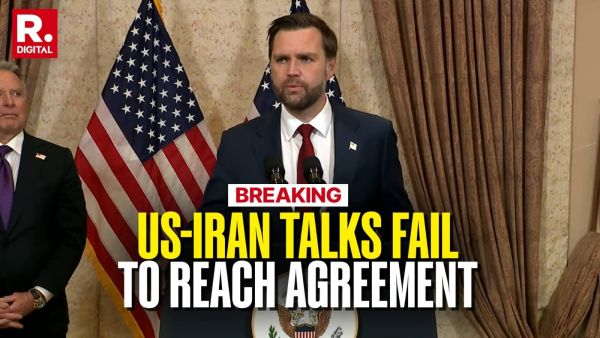
Islamabad: Talks between the United States and Iran, brokered by Pakistan, ended without a breakthrough after nearly 21 hours of negotiations, with US Vice President JD Vance confirming that no agreement had been reached.
Addressing the media briefly before departing, Vance said the Iranian delegation had declined to accept Washington’s terms despite what he described as “substantive discussions” between the two sides. He added that he would be returning to the United States without a deal.
#BREAKING | US vice president JD Vance says there are shortcomings in talks, Iran chose not to accept US terms.
— Republic (@republic) April 12, 2026
Tune in to LIVE TV for fastest #BREAKING alerts - https://t.co/EFhN1ZgW3k#RepublicWorld #RepublicTV #RepublicNews pic.twitter.com/yMF1MnoEXb
Vance thanked Pakistan’s leadership for hosting the high-stakes negotiations, praising both the prime minister and the army chief as “incredible hosts” who made significant efforts to bridge differences between Washington and Tehran. He emphasised that any failure in the talks could not be attributed to the Pakistani side, which, he said, worked actively to facilitate dialogue.
However, he acknowledged that key disagreements remained unresolved. “We have not reached an agreement, and that’s bad news for Iran much more than it’s bad news for the United States,” Vance said, underscoring that the US had clearly outlined its “red lines” during the negotiations.
At the core of the impasse is Washington’s demand for a firm and long-term commitment from Iran that it will not pursue nuclear weapons. Vance stated that the US is seeking an “affirmative commitment” not only against developing nuclear weapons but also against acquiring the capabilities that would allow Tehran to rapidly produce them.
While declining to disclose specific details of what Iran rejected, Vance indicated that the US position remains centered on ensuring that Iran’s nuclear ambitions are permanently curtailed. He noted that although Iran’s earlier enrichment facilities have been destroyed, the fundamental concern lies in preventing any future attempts to rebuild such capabilities.
“We need to see a fundamental commitment of will… not just now, not just two years from now, but for the long term,” he said, adding that such assurances have not yet been provided by Tehran.
Vance maintained that the US delegation approached the talks in good faith and showed flexibility on multiple issues, but ultimately failed to make headway. “We were quite flexible, we were quite accommodating… but we just could not get to a situation where the Iranians were willing to accept our terms,” he said.
The collapse of the Islamabad talks marks a setback in efforts to revive diplomatic engagement between the two adversaries, raising fresh uncertainty over the future of negotiations surrounding Iran’s nuclear programme.
-
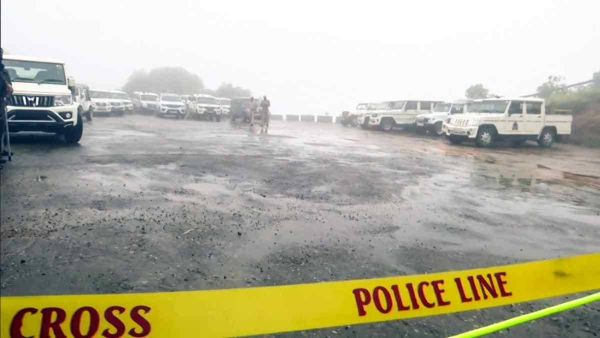
One Dead, Several Injured as School Van Carrying Children Overturns in Bihar's Nawada
-
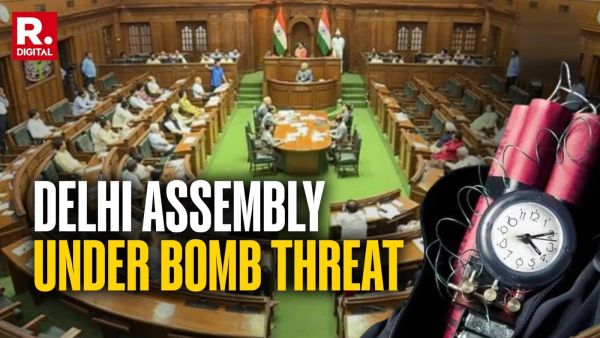
Delhi Assembly Receives Fresh Bomb Threat: Email Mentions ’15 Cyanide Filled RDX Blasts’, Demands Only ‘Muslim Employees Should be Evacuated’
-
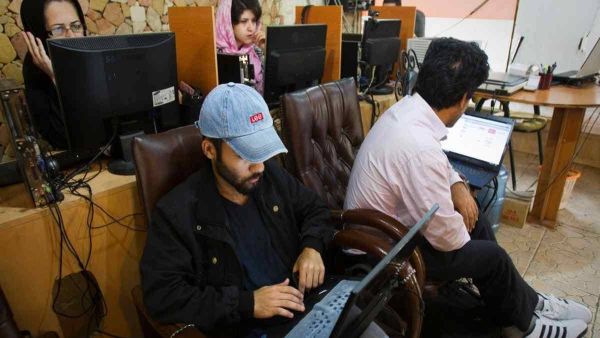
Iran: Internet 'Near Blackout' Persists For 45 Days; Connectivity Severed For Over 1,056 Hours
-
Infinix Launches NOTE 60 Pro 5G With Active Matrix Display, Snapdragon 7s Gen 4 in India

-
WhatsApp Doesn’t Charge You. That Doesn’t Mean It’s Free