Container gardening has become increasingly popular, especially in urban areas, because it's an easy and flexible way to add greenery without needing a large garden. While container gardening generally requires less maintenance as it involves fewer weeds and easier soil management, it's important to remember that containers create a completely different growing environment compared to garden beds.
Because plants are confined, they rely entirely on you for water, nutrients and the right conditions to grow well. From watering errors to wrong-sized containers and poor plant pairings, small missteps can quickly lead to unhealthy plants, but by avoiding these common pitfalls it's possible to keep containers looking lush all season long.
Here are seven common container gardening mistakes to avoid:
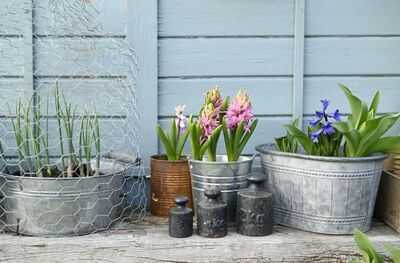
1. Not being mindful of the heat when using metal containersMetal containers can be a stylish choice but they also heat up quickly in direct sunlight, which can damage roots and dry out soil faster than expected. If you're using metal pots, try placing them in partial shade during the hottest part of the day or lining them to help insulate the roots.
2. Not providing enough drainageGood drainage is essential for healthy plants. If water sits at the bottom of a container, it can suffocate roots and lead to rot or disease, so always ensure pots have drainage holes and that water can flow out freely. The soil should feel damp, not waterlogged.
3. Over or under-wateringGetting the watering balance right can be tricky in containers, as soil tends to dry out faster than in the ground. Overwatering can drown roots, while underwatering can cause plants to wilt and struggle. Check the soil regularly by feeling the top couple of inches and if it's dry, it's time to water. On hot summer days, containers may even need watering twice a day.
4. Using pots or containers that are too smallChoosing a container that gives roots enough space to expand will help plants establish properly and retain moisture more effectively. Plants like tomatoes, courgettes and small fruit trees all need larger, deeper containers to support their root systems, while even herbs such as mint can quickly outgrow cramped pots.
 5. Choosing incompatible plants
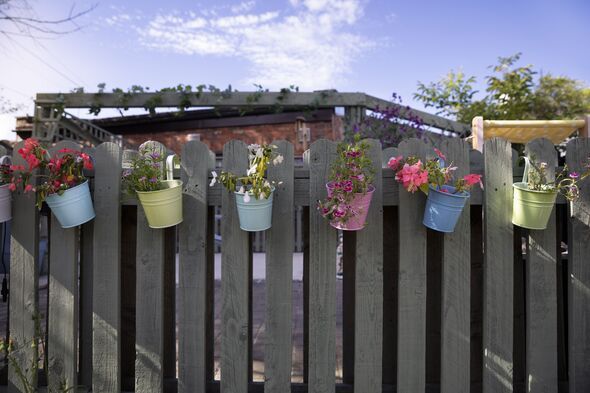
Mixing plants with different needs in the same container can create problems. Some plants thrive in full sun, while others prefer shade, and their watering requirements can vary just as much. Grouping plants with similar preferences will make maintenance easier, for example pairing sun-loving herbs like lavender and rosemary together, while keeping shade-loving plants such as ferns in a separate container.
6. Using the wrong type of soilRegular garden soil is often too heavy for containers and can compact easily, so instead, use a high-quality compost or potting mix designed specifically for containers, which will provide the right balance of nutrients, aeration and moisture retention.
7. Forgetting fertiliserPlants in containers can quickly use up the nutrients available in their soil, especially during the growing season. Without regular feeding, they can become weak, so it's important to add a liquid fertiliser every couple of weeks or use slow-release granules to keep plants well-fed.
-
Inside Singer King’s Delhi Home: Giant Chandelier, Glam Room, Music Studio, Grand Piano And More

-
Roblox To Introduce Age-based Accounts in Child Safety Push

-
Snowflake-Linked Hack Hits Rockstar Games, GTA Online Data at Risk

-
Meta May Be Building AI Version of Mark Zuckerberg That Can Talk to Employees

-
Chennai Weather Forecast, IPL 2026: Will Rain Play Spoilsport In High-Stakes CSK vs KKR Encounter At Chepauk?