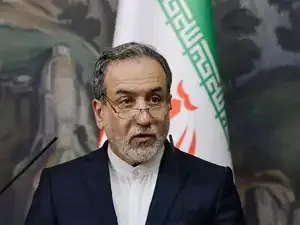
Did 3 identical Iranian planes land in Pakistan to safeguard FM Abbas Araghchi, and US to unfreeze Iran's funds or not? The question has gained global attention as major diplomatic talks take place in Islamabad. Delegations from Iran and the United States arrived in Pakistan for indirect negotiations aimed at strengthening a ceasefire and moving toward ending the ongoing war. Reports about decoy aircraft, frozen Iranian assets, and military deployments in Saudi Arabia have added new developments to the situation. Pakistan is acting as mediator while global leaders call for a Lebanon ceasefire and stability in the Strait of Hormuz. The talks are seen as a critical step in regional diplomacy.
Did 3 identical Iranian planes land in Pakistan to safeguard FM Abbas Araghchi, and US to unfreeze Iran's funds or not?
Reports circulating on social media and some outlets claimed that three identical Iranian aircraft landed in Pakistan to provide security cover for Iranian Foreign Minister Abbas Araghchi ahead of expected talks with the United States. However, there is no confirmed official evidence supporting the claim of three identical planes being used as a security tactic. At the same time, conflicting statements have emerged on the issue of frozen Iranian funds. Iranian officials suggested that progress and understandings were being discussed, but a senior US official publicly said Washington has not agreed to release Iran’s frozen assets yet. The developments reflect uncertainty and mixed messaging as both sides prepare for difficult negotiations in Islamabad.
Did 3 identical Iranian planes land in Pakistan to safeguard FM Abbas Araghchi?
Reports about three identical Iranian aircraft landing in Pakistan to protect Iranian Foreign Minister Abbas Araghchi remain unconfirmed. No credible international or official sources have verified the claim. Such stories are currently circulating mainly on social media and speculation forums. However, strong security arrangements are confirmed around the Islamabad talks venue, showing high-level diplomatic sensitivity and security concerns.
US to unfreeze Iran's funds or not?
There is no official confirmation that the United States has agreed to unfreeze Iranian funds. The talks in Islamabad involve senior officials including JD Vance and Iranian representatives, and they aim to reduce tensions and explore diplomatic options. Reports indicate that discussions may include sanctions and financial restrictions, but any decision on frozen funds will depend on the outcome of ongoing negotiations and formal agreements.
Iran delegation arrives and confirms talks
Iran’s negotiating team arrived in Islamabad before the US delegation. The team was led by Parliament Speaker Mohammad Bagher Qalibaf. Iran’s Foreign Minister Abbas Araghchi joined the delegation. Iran’s state television later reported that the United States agreed to unfreeze Iran’s funds. This issue became a major demand before formal negotiations could move forward. Iran’s leadership made it clear that talks would only continue if two conditions were met. These include a ceasefire in Lebanon and the release of Iran’s frozen assets.
US delegation arrives for ceasefire negotiations
The United States delegation was led by Vice President JD Vance. The team also included Steve Witkoff and Jared Kushner. President Donald Trump wished the delegation luck before the talks. Trump said the situation would become clear after negotiations. The meetings marked the first direct diplomatic engagement since the war began more than a month ago.
Pakistan plays mediator role
Pakistan hosted the talks and worked as mediator between Iran and the United States. Islamabad saw heavy security deployment. Roads were sealed and residents were advised to stay indoors.
Pakistan’s Prime Minister Shehbaz Sharif met both delegations. He stated Pakistan would continue efforts to promote peace and stability. Iran’s delegation also met Pakistan’s army chief and foreign minister. Iran shared its demands and negotiation terms with Pakistan.
Iran presents red lines
Iran presented its negotiation terms to Pakistan. These included:
Iran’s spokesperson described diplomacy as a continuation of war through negotiation.
Saudi Arabia and Pakistan defense pact
Saudi Arabia warned Pakistan to act against Iran under a defense pact or repay a loan worth 6.3 billion dollars. Soon after, Pakistan deployed military forces to Saudi Arabia. The Saudi Defense Ministry confirmed arrival of Pakistani fighter and support aircraft at King Abdulaziz Air Base. The deployment supports joint military coordination and regional security. The defense pact states that an attack on one country is considered an attack on both.
Global leaders call for Lebanon ceasefire
France’s President Emmanuel Macron urged respect for the Lebanon ceasefire. He discussed the situation with Turkey’s President Recep Tayyip Erdogan. Both leaders called for safe navigation in the Strait of Hormuz and a long term diplomatic solution. France has been active in pushing for peace in Lebanon.
Strait of Hormuz and oil supply pressure
Iran’s actions have disrupted the Strait of Hormuz. This route carries about 20 percent of global oil supply. The closure pushed energy prices higher. The United States said oil tankers were heading to load American oil and gas. European airports warned of possible jet fuel shortages within weeks. European officials discussed joint fuel purchasing and monitoring supply levels.
Fighting continues despite ceasefire
Israel and Hezbollah exchanged fire along the Lebanon border. Israeli strikes in Beirut destroyed buildings and caused casualties. Rescue teams searched for missing people under collapsed structures. In Gaza, airstrikes killed more people after ceasefire tensions continued.
Global mediators join Islamabad talks
Officials from Egypt, Saudi Arabia, China and Qatar joined as third country mediators. Their role was to help indirect negotiations between Iran and the United States. Pakistani analysts expect major developments from the talks. Military leaders in Pakistan played a role in bringing both sides to the table.
Iran public reaction to peace talks
People in Iran said they were hopeful but cautious. Many believe no side benefits from continued war. Others worry any agreement may fail. Officials warned that failure in talks could lead to renewed conflict and higher global costs.
Media and security preparations in Islamabad
Pakistan created a media center at Jinnah Convention Center for global journalists. Visa on arrival was introduced for media and official delegations. The capital city appeared empty due to security measures ahead of negotiations.
FAQs
Q1. Did Iran really send decoy planes to Pakistan?
Reports claim three identical Iranian planes landed in Pakistan. Only one carried officials. The move aimed to protect leaders during travel for negotiations and avoid security risks.
Q2. Will the US unfreeze Iran’s funds after talks?
Iran says the US agreed to release frozen assets. Iran demands this before negotiations continue. The final outcome depends on ceasefire progress and diplomatic agreements during Islamabad talks.
Did 3 identical Iranian planes land in Pakistan to safeguard FM Abbas Araghchi, and US to unfreeze Iran's funds or not?
Reports circulating on social media and some outlets claimed that three identical Iranian aircraft landed in Pakistan to provide security cover for Iranian Foreign Minister Abbas Araghchi ahead of expected talks with the United States. However, there is no confirmed official evidence supporting the claim of three identical planes being used as a security tactic. At the same time, conflicting statements have emerged on the issue of frozen Iranian funds. Iranian officials suggested that progress and understandings were being discussed, but a senior US official publicly said Washington has not agreed to release Iran’s frozen assets yet. The developments reflect uncertainty and mixed messaging as both sides prepare for difficult negotiations in Islamabad.Did 3 identical Iranian planes land in Pakistan to safeguard FM Abbas Araghchi?
Reports about three identical Iranian aircraft landing in Pakistan to protect Iranian Foreign Minister Abbas Araghchi remain unconfirmed. No credible international or official sources have verified the claim. Such stories are currently circulating mainly on social media and speculation forums. However, strong security arrangements are confirmed around the Islamabad talks venue, showing high-level diplomatic sensitivity and security concerns.US to unfreeze Iran's funds or not?
There is no official confirmation that the United States has agreed to unfreeze Iranian funds. The talks in Islamabad involve senior officials including JD Vance and Iranian representatives, and they aim to reduce tensions and explore diplomatic options. Reports indicate that discussions may include sanctions and financial restrictions, but any decision on frozen funds will depend on the outcome of ongoing negotiations and formal agreements.Iran delegation arrives and confirms talks
Iran’s negotiating team arrived in Islamabad before the US delegation. The team was led by Parliament Speaker Mohammad Bagher Qalibaf. Iran’s Foreign Minister Abbas Araghchi joined the delegation. Iran’s state television later reported that the United States agreed to unfreeze Iran’s funds. This issue became a major demand before formal negotiations could move forward. Iran’s leadership made it clear that talks would only continue if two conditions were met. These include a ceasefire in Lebanon and the release of Iran’s frozen assets.US delegation arrives for ceasefire negotiations
The United States delegation was led by Vice President JD Vance. The team also included Steve Witkoff and Jared Kushner. President Donald Trump wished the delegation luck before the talks. Trump said the situation would become clear after negotiations. The meetings marked the first direct diplomatic engagement since the war began more than a month ago.Pakistan plays mediator role
Pakistan hosted the talks and worked as mediator between Iran and the United States. Islamabad saw heavy security deployment. Roads were sealed and residents were advised to stay indoors.Pakistan’s Prime Minister Shehbaz Sharif met both delegations. He stated Pakistan would continue efforts to promote peace and stability. Iran’s delegation also met Pakistan’s army chief and foreign minister. Iran shared its demands and negotiation terms with Pakistan.
Iran presents red lines
Iran presented its negotiation terms to Pakistan. These included:- Compensation for damage caused by American and Israeli strikes
- Release of frozen Iranian assets
- Mechanism to reopen the Strait of Hormuz
- A lasting ceasefire in Iran and allied regions
Iran’s spokesperson described diplomacy as a continuation of war through negotiation.
Saudi Arabia and Pakistan defense pact
Saudi Arabia warned Pakistan to act against Iran under a defense pact or repay a loan worth 6.3 billion dollars. Soon after, Pakistan deployed military forces to Saudi Arabia. The Saudi Defense Ministry confirmed arrival of Pakistani fighter and support aircraft at King Abdulaziz Air Base. The deployment supports joint military coordination and regional security. The defense pact states that an attack on one country is considered an attack on both.Global leaders call for Lebanon ceasefire
France’s President Emmanuel Macron urged respect for the Lebanon ceasefire. He discussed the situation with Turkey’s President Recep Tayyip Erdogan. Both leaders called for safe navigation in the Strait of Hormuz and a long term diplomatic solution. France has been active in pushing for peace in Lebanon.Strait of Hormuz and oil supply pressure
Iran’s actions have disrupted the Strait of Hormuz. This route carries about 20 percent of global oil supply. The closure pushed energy prices higher. The United States said oil tankers were heading to load American oil and gas. European airports warned of possible jet fuel shortages within weeks. European officials discussed joint fuel purchasing and monitoring supply levels.Fighting continues despite ceasefire
Israel and Hezbollah exchanged fire along the Lebanon border. Israeli strikes in Beirut destroyed buildings and caused casualties. Rescue teams searched for missing people under collapsed structures. In Gaza, airstrikes killed more people after ceasefire tensions continued.Global mediators join Islamabad talks
Officials from Egypt, Saudi Arabia, China and Qatar joined as third country mediators. Their role was to help indirect negotiations between Iran and the United States. Pakistani analysts expect major developments from the talks. Military leaders in Pakistan played a role in bringing both sides to the table.Iran public reaction to peace talks
People in Iran said they were hopeful but cautious. Many believe no side benefits from continued war. Others worry any agreement may fail. Officials warned that failure in talks could lead to renewed conflict and higher global costs.Media and security preparations in Islamabad
Pakistan created a media center at Jinnah Convention Center for global journalists. Visa on arrival was introduced for media and official delegations. The capital city appeared empty due to security measures ahead of negotiations.FAQs
Q1. Did Iran really send decoy planes to Pakistan?
Reports claim three identical Iranian planes landed in Pakistan. Only one carried officials. The move aimed to protect leaders during travel for negotiations and avoid security risks.
Q2. Will the US unfreeze Iran’s funds after talks?
Iran says the US agreed to release frozen assets. Iran demands this before negotiations continue. The final outcome depends on ceasefire progress and diplomatic agreements during Islamabad talks.