Port Louis: India on Friday underscored the necessity of a swift return to peace in West Asia as External Affairs Minister S Jaishankar described the crisis as "deeply" concerning and underscored New Delhi's unwavering stance against the targeting of civilians, infrastructure, and global trade routes.
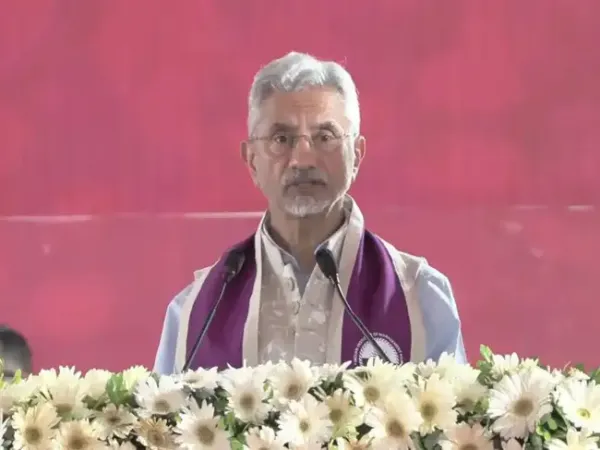
In an address at the Indian Ocean Conference, Jaishankar also flagged concerns over the economic impact of the conflict, especially on energy, fertilisers and food security.
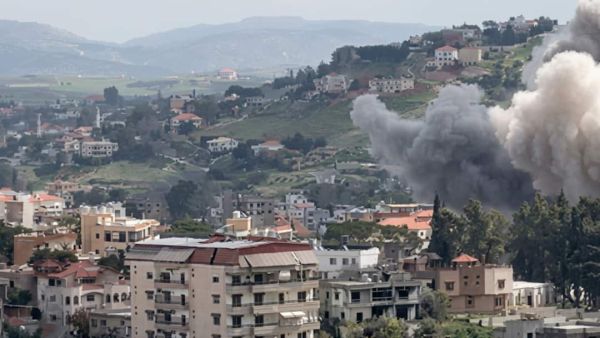
The external affairs minister's remarks came against the backdrop of uncertainty over the two-week ceasefire reached between Iran and the US following Israeli strikes on Lebanon.
Tehran has been maintaining that Lebanon has been covered under the deal, while the US and Israel disputed the Iranian assertion.
"All of us are deeply concerned about the conflict and would like to see an early return to normalcy. We firmly opposed the targeting of civilians, of infrastructure and of commercial shipping," he said.
"It is essential that the navigation remains safe and unimpeded. The relevant point here is that each one of us has felt the economic impact of this conflict very deeply," he said in the presence of foreign ministers from several Indian Ocean countries.
Also Read: Ceasefire deal brings relief to some in Iran, but Trump's threat to end a civilization still echoes
"When energy is scarce and expensive, it has an overarching implication for the entire society."
Global oil and gas prices have surged after Iran virtually blocked the Strait of Hormuz, a narrow shipping lane between the Persian Gulf and the Gulf of Oman, that handles roughly 20 per cent of global oil and LNG (Liquefied Natural Gas). West Asia has been a major source of India's energy procurement.
There have been growing global concerns over disruptions in commercial shipping through the Strait. Iran has allowed ships belonging to its friendly countries to transit through the waterway.
Jaishankar argued that when trade is constricted, it impacts various other sectors beyond business.
"When fertilisers are more difficult to procure, its food security consequence is obvious. These have become the immediate challenges as we meet here in this conference. But there are underlying issues that we also need to address because there is no guarantee that such scenarios will not recur," he said.
Also Read: Ceasefire under siege: What exactly is Israel's problem with Lebanon?
India on Thursday had welcomed the two-week ceasefire between the US and Iran and called for unimpeded freedom of navigation and flow of commerce through the Strait of Hormuz while hoping that lasting peace will return to West Asia.
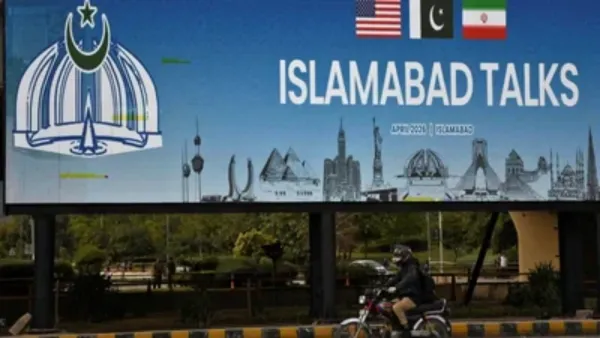
Iran and the US are set to hold talks in Islamabad either Saturday or Sunday to find ways to resolve the West Asia conflict.
US Vice President JD Vance is heading to Pakistan to lead the US delegation at the talks.
In an address at the Indian Ocean Conference, Jaishankar also flagged concerns over the economic impact of the conflict, especially on energy, fertilisers and food security.
The external affairs minister's remarks came against the backdrop of uncertainty over the two-week ceasefire reached between Iran and the US following Israeli strikes on Lebanon.
Tehran has been maintaining that Lebanon has been covered under the deal, while the US and Israel disputed the Iranian assertion.
"All of us are deeply concerned about the conflict and would like to see an early return to normalcy. We firmly opposed the targeting of civilians, of infrastructure and of commercial shipping," he said.
"It is essential that the navigation remains safe and unimpeded. The relevant point here is that each one of us has felt the economic impact of this conflict very deeply," he said in the presence of foreign ministers from several Indian Ocean countries.
Also Read: Ceasefire deal brings relief to some in Iran, but Trump's threat to end a civilization still echoes
"When energy is scarce and expensive, it has an overarching implication for the entire society."
Global oil and gas prices have surged after Iran virtually blocked the Strait of Hormuz, a narrow shipping lane between the Persian Gulf and the Gulf of Oman, that handles roughly 20 per cent of global oil and LNG (Liquefied Natural Gas). West Asia has been a major source of India's energy procurement.
There have been growing global concerns over disruptions in commercial shipping through the Strait. Iran has allowed ships belonging to its friendly countries to transit through the waterway.
Jaishankar argued that when trade is constricted, it impacts various other sectors beyond business.
"When fertilisers are more difficult to procure, its food security consequence is obvious. These have become the immediate challenges as we meet here in this conference. But there are underlying issues that we also need to address because there is no guarantee that such scenarios will not recur," he said.
Also Read: Ceasefire under siege: What exactly is Israel's problem with Lebanon?
India on Thursday had welcomed the two-week ceasefire between the US and Iran and called for unimpeded freedom of navigation and flow of commerce through the Strait of Hormuz while hoping that lasting peace will return to West Asia.
Iran and the US are set to hold talks in Islamabad either Saturday or Sunday to find ways to resolve the West Asia conflict.
US Vice President JD Vance is heading to Pakistan to lead the US delegation at the talks.