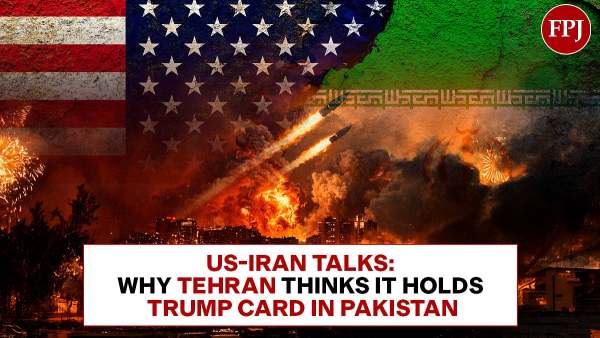
Tehran is leveraging strategic ambiguity and threats to global shipping in the Strait of Hormuz to stall the Islamabad summit, demanding a Lebanon ceasefire that United States and Israel have already rejected as the 14-day diplomatic window rapidly closes
The world is watching Islamabad this weekend as the most significant diplomatic encounter between the United States and Iran since 1979 hangs in the balance. Scheduled to begin Saturday morning, April 11, 2026, these talks were designed to solidify a fragile two-week ceasefire and chart a path toward regional stability. However, even before a single diplomat has sat down at the Serena Hotel, the negotiations are being pushed to the brink of collapse.
To understand why this "peace" summit feels like a battlefield, it is necessary to understand how Iran is using strategic ambiguity and regional pressure to gain the upper hand. By leveraging its control over global trade routes and setting rigid preconditions, Tehran is signalling that it will not enter the room as a junior partner, but as a power with the capacity to disrupt the global economy.
Who is involved and where are they meeting?
The primary actors are United States and Iran, with Pakistan serving as the host and mediator. The setting is Islamabad’s "Red Zone," a high-security district currently guarded by over 10,000 personnel. While a 30-member US advance team is already on the ground and military transports have landed at Nur Khan Air Base, the presence of the Iranian delegation remains a mystery.
-
Indian Men's Football Team to Compete in Unity Cup 2026 In London

-
Asian Boxing Championships 2026: Indian Women Top Medal Charts, Win 4 Golds

-
Commonwealth Sports Delegation Visits India To Review Ahmedabad 2030 Commonwealth Games Preparations
-
India Shine Bright In Asian Boxing Championships, Vishvanath Strikes Gold

-
Bayern Munich Suffer Injury Jolt As Young Star Lennart Karl Ruled Out Against Real Madrid