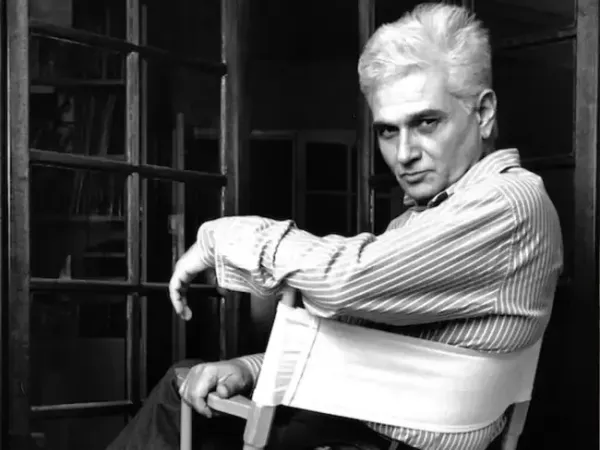
At our core, each person stands alone. No matter how connected to others we may feel, our thoughts, choices, and responsibilities ultimately belong to us alone. Others can guide, advise or lend support, but they cannot fully understand or live our experiences. There’s a dire need for cultivating personal accountability and inner strength, and take ownership of their lives. We must confront fears, decisions, and purpose independently, as life a deeply personal journey shaped by one’s own courage and resolve.
Years ago, esteemed French philosopher Jacques Derrida emphasised the importance of taking ownership of our lives and develop independence of thought.
Jacques Derrida’s Take On True Independence
In his book The Gift Of Death, Derrida wrote: “We are given over to absolute solitude. No one can speak with us and no one can speak for us; we must take it upon ourselves, each of us must take it upon himself.”
Deeper Meaning Behind Derrida’s Quote
This quote explores the profound isolation at the heart of human existence. It suggests that, despite living among others, every individual ultimately faces life alone in terms of thoughts, choices, and inner struggles. No one else can fully articulate our emotions or take responsibility for our actions. This solitude is not merely physical but deeply psychological and existential. It calls for self-reliance, urging each person to confront their reality without expecting others to define or justify their path. At the same time, it reflects the burden and freedom of individuality—while isolation can feel overwhelming, it also empowers us to shape our own identity. The quote emphasizes that meaning, purpose, and direction must come from within, making each life a deeply personal and self-determined journey.
Why Derrida’s Words Still Resonate Today
This quote remains highly relevant in today’s fast-paced, hyper-connected world where people often rely on external validation and constant communication. Despite social media and digital interactions, individuals still face their most important decisions and inner conflicts alone. It highlights the reality that no one else can truly express our thoughts or take responsibility for our choices. In modern life, where opinions are easily influenced, the quote serves as a reminder to trust one’s own judgment and accept personal accountability. It also reflects the emotional isolation many experience despite being surrounded by others. Ultimately, its relevance lies in encouraging self-awareness, independence, and courage, reminding us that while support systems exist, the responsibility to shape our lives and face our truths rests entirely within us.
He is best known for developing the concept of deconstruction, a method that challenges fixed meanings in texts and reveals hidden assumptions within language. Although often linked with movements like post-structuralism and postmodern philosophy, Derrida himself resisted being confined to such labels and distanced his work from rigid categorization.
His influence extended far beyond traditional philosophy. Scholars in areas like architecture, music, and art also engaged with his theories, adapting his ideas into creative and critical practices. This wide-ranging impact demonstrates how his work transcended disciplinary boundaries and reshaped intellectual conversations globally.
During the later years of his life, Derrida held a prominent academic position at the University of California, Irvine, where he contributed to the development of humanities scholarship. In English-speaking regions, where analytical philosophy traditionally dominates, his influence became particularly visible in literary studies due to his sustained focus on textual interpretation and language.
As his reputation grew, Derrida became a prominent public intellectual. However, his work also sparked debate and criticism. Many readers found his writing style complex and difficult to interpret, leading to both admiration and controversy. Despite this, his contributions remain deeply influential, continuing to shape philosophical inquiry and cultural theory long after his passing in 2004.
Years ago, esteemed French philosopher Jacques Derrida emphasised the importance of taking ownership of our lives and develop independence of thought.
Jacques Derrida’s Take On True Independence
In his book The Gift Of Death, Derrida wrote: “We are given over to absolute solitude. No one can speak with us and no one can speak for us; we must take it upon ourselves, each of us must take it upon himself.”Deeper Meaning Behind Derrida’s Quote
This quote explores the profound isolation at the heart of human existence. It suggests that, despite living among others, every individual ultimately faces life alone in terms of thoughts, choices, and inner struggles. No one else can fully articulate our emotions or take responsibility for our actions. This solitude is not merely physical but deeply psychological and existential. It calls for self-reliance, urging each person to confront their reality without expecting others to define or justify their path. At the same time, it reflects the burden and freedom of individuality—while isolation can feel overwhelming, it also empowers us to shape our own identity. The quote emphasizes that meaning, purpose, and direction must come from within, making each life a deeply personal and self-determined journey.Why Derrida’s Words Still Resonate Today
This quote remains highly relevant in today’s fast-paced, hyper-connected world where people often rely on external validation and constant communication. Despite social media and digital interactions, individuals still face their most important decisions and inner conflicts alone. It highlights the reality that no one else can truly express our thoughts or take responsibility for our choices. In modern life, where opinions are easily influenced, the quote serves as a reminder to trust one’s own judgment and accept personal accountability. It also reflects the emotional isolation many experience despite being surrounded by others. Ultimately, its relevance lies in encouraging self-awareness, independence, and courage, reminding us that while support systems exist, the responsibility to shape our lives and face our truths rests entirely within us.Early Life and Intellectual Foundations
Jacques Derrida, originally named Jackie Élie Derrida, was born on July 15, 1930, in Algeria, which was then under French colonial rule. Over time, he emerged as one of the most influential thinkers of the twentieth century. His philosophical journey was shaped by deep engagement with language, meaning, and interpretation. Drawing inspiration from figures such as Ferdinand de Saussure, Edmund Husserl, and Martin Heidegger, Derrida crafted a distinctive intellectual approach.He is best known for developing the concept of deconstruction, a method that challenges fixed meanings in texts and reveals hidden assumptions within language. Although often linked with movements like post-structuralism and postmodern philosophy, Derrida himself resisted being confined to such labels and distanced his work from rigid categorization.
Prolific Career and Academic Influence
Across his lifetime, Derrida produced an extensive body of work, including more than forty books along with numerous essays, lectures, and public discussions. His writings left a profound mark on a wide range of disciplines within the humanities and social sciences. Fields such as literature, philosophy, law, anthropology, linguistics, psychoanalysis, and political theory all felt the impact of his ideas.His influence extended far beyond traditional philosophy. Scholars in areas like architecture, music, and art also engaged with his theories, adapting his ideas into creative and critical practices. This wide-ranging impact demonstrates how his work transcended disciplinary boundaries and reshaped intellectual conversations globally.
Global Reach and Continuing Relevance
By the early twenty-first century, Derrida’s ideas continued to shape academic debates across continents, including North America, Europe, and South America. His work became especially significant in discussions surrounding fundamental philosophical questions such as the nature of being, knowledge, ethics, interpretation, and language.During the later years of his life, Derrida held a prominent academic position at the University of California, Irvine, where he contributed to the development of humanities scholarship. In English-speaking regions, where analytical philosophy traditionally dominates, his influence became particularly visible in literary studies due to his sustained focus on textual interpretation and language.
Later Thought and Public Engagement
In his later writings, Derrida increasingly turned his attention toward ethical and political concerns. His major works from the late 1960s and early 1970s, including Speech and Phenomena, Of Grammatology, Writing and Difference, and Margins of Philosophy, played a crucial role in shaping contemporary critical thought and inspired various intellectual and political movements.As his reputation grew, Derrida became a prominent public intellectual. However, his work also sparked debate and criticism. Many readers found his writing style complex and difficult to interpret, leading to both admiration and controversy. Despite this, his contributions remain deeply influential, continuing to shape philosophical inquiry and cultural theory long after his passing in 2004.