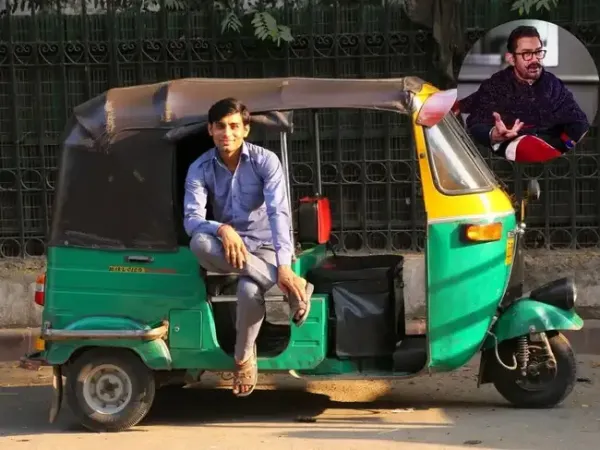
A budding founder based in Mumbai came up with an unconventional way to introduce his startup to the public after conventional promotions failed to deliver results. As highlighted by Jobaaj Stories, instead of continuing to rely on digital advertisements or social media campaigns, he shifted his focus to the streets. He placed modest, straightforward posters inside auto-rickshaws, turning everyday commutes into opportunities for visibility.
The message on these posters was deeply personal and disarmingly honest. Rather than polished branding or expensive design, it carried a simple appeal—requesting drivers to keep the posters intact and encouraging passengers to purchase his product so his parents would not assume he was jobless. It also included a direct link to his website. This raw approach stood out precisely because it felt real, cutting through the clutter of overly curated marketing content.
The strategy demonstrated a key principle: audiences rarely stumble upon unknown ventures by chance; businesses must reach people where they already spend their time. By using auto-rickshaws, a common mode of transport, the entrepreneur tapped into a space where attention is naturally available. The unusual nature of the idea made it memorable, proving that unexpected tactics can capture interest far more effectively than traditional campaigns.
Another important lesson from this effort is the power of offline promotion in driving online engagement. What began as a simple street-level initiative quickly gained traction digitally, as people noticed, shared, and discussed the idea across platforms. It highlighted a common challenge for early-stage founders—not the product itself, but ensuring it reaches the right audience. Without visibility, even the most innovative offerings remain unnoticed.
This creative approach echoes a similar promotional tactic used decades earlier by Aamir Khan during the early days of his career. Before becoming a major star, he personally took to the streets to promote his debut film Qayamat Se Qayamat Tak. Alongside his cousin and co-actor Raj Zutshi, he distributed posters across the city, requesting auto-rickshaw drivers to display them on their vehicles.
Released in 1988 and co-starring Juhi Chawla, the film went on to become a defining romantic drama in Hindi cinema. It narrated the story of two young lovers separated by longstanding family conflicts, eventually gaining immense popularity. The grassroots promotional effort reflected determination and a willingness to go beyond conventional methods—an approach that continues to inspire modern entrepreneurs today.
The message on these posters was deeply personal and disarmingly honest. Rather than polished branding or expensive design, it carried a simple appeal—requesting drivers to keep the posters intact and encouraging passengers to purchase his product so his parents would not assume he was jobless. It also included a direct link to his website. This raw approach stood out precisely because it felt real, cutting through the clutter of overly curated marketing content.
The strategy demonstrated a key principle: audiences rarely stumble upon unknown ventures by chance; businesses must reach people where they already spend their time. By using auto-rickshaws, a common mode of transport, the entrepreneur tapped into a space where attention is naturally available. The unusual nature of the idea made it memorable, proving that unexpected tactics can capture interest far more effectively than traditional campaigns.
Another important lesson from this effort is the power of offline promotion in driving online engagement. What began as a simple street-level initiative quickly gained traction digitally, as people noticed, shared, and discussed the idea across platforms. It highlighted a common challenge for early-stage founders—not the product itself, but ensuring it reaches the right audience. Without visibility, even the most innovative offerings remain unnoticed.
This creative approach echoes a similar promotional tactic used decades earlier by Aamir Khan during the early days of his career. Before becoming a major star, he personally took to the streets to promote his debut film Qayamat Se Qayamat Tak. Alongside his cousin and co-actor Raj Zutshi, he distributed posters across the city, requesting auto-rickshaw drivers to display them on their vehicles.
Released in 1988 and co-starring Juhi Chawla, the film went on to become a defining romantic drama in Hindi cinema. It narrated the story of two young lovers separated by longstanding family conflicts, eventually gaining immense popularity. The grassroots promotional effort reflected determination and a willingness to go beyond conventional methods—an approach that continues to inspire modern entrepreneurs today.