Royal fashion icons in the making: Princess Leonor of Spain to Prince Nikolai of Denmark, 6 members to keep an eye on
ETimes | April 10, 2026 2:39 PM CST
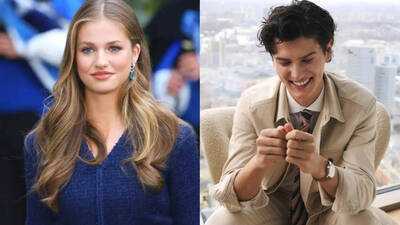
For decades, royal fashion followed a familiar script: structured coats, safe colours and the occasional ceremonial dress , all designed to avoid comment rather than invite it but now, a younger generation of royals is changing how monarchy looks and feels through clothing. These emerging figures are shaping a new modern royal aesthetic, one built on relaxed tailoring and moments of individuality that feel natural rather than staged.
In an interview with the Times of India, Leanna Spektor, Co-Founder and Style Expert at Brand House Direct, shared, “This shift reflects a broader change in how influence works today. Royal style used to be aspirational in a distant way; now people notice the choices that feel thoughtful and real.”
According to a recent , “Contemporary audiences respond more strongly to authenticity cues - such as repetition, informality and perceived relatability - than to traditional markers of status or exclusivity.” This directly reinforces the claim that royal fashion is shifting from distant aspiration to relatable, authentic expression, aligning with how younger royals dress today.
Read on as we explore the younger generation of royal fashion icons in the making who are already defining the next era of royal style.
Princess Leonor of Spain
Princess Leonor’s wardrobe has become a visual extension of her role as future queen. Recent appearances in her military uniform have dominated her public image and these looks communicate discipline and intent. When she steps out of uniform, Leonor shows a sharp instinct for balance.
Leonor’s early appearances leaned into youthful silhouettes, such as frilled minidresses paired with espadrilles or flat pumps. Over time, those choices have evolved into longer hemlines, bouclé skirt suits and confident midi dresses in saturated shades.
Her fondness for pointed kitten heels has become her signature look, offering polish without drama. Even her more playful moments, like a bold pink trouser suit, feel fun and youthful rather than performative.
“Leonor’s style works because it grows with her,” said Spektor. “Each phase of her wardrobe reflects where she is in life, which makes her fashion feel authentic. Off duty, her preference for relaxed shirts, white denim and simple colour palettes adds to a sense of modern European ease.”
Princess Elisabeth of Belgium
Princess Elisabeth’s style thrives on contrast. One moment, she is cycling in trainers and cargo trousers; the next, she is stepping into a caped gown at a royal wedding. That range has become her defining strength.
Her student wardrobe is recognisable and current, often featuring high-street labels, wide-leg jeans and understated accessories. These looks land precisely because they feel unforced. In contrast, her formal outfits lean into colour and silhouette, from bold red dresses to vibrant eveningwear that commands attention.
“Elisabeth understands context exceptionally well,” Spektor noted. “She dresses for the moment she is in, and that adaptability is what makes her influential.”
Her ability to move between Dior and Dries Van Noten, Zara and Ba&Sh, reflects a generation less interested in hierarchy and more focused on expression. The result is a wardrobe that feels contemporary and quietly confident.
Prince Christian of Denmark
Prince Christian’s personal sense of style is still emerging, but early signals suggest a firm grasp of modern royal dressing. Recent official portraits show him equally comfortable in black tie and casual denim, with a clear preference for clean lines and unfussy styling.
His look aligns closely with Scandinavian design principles: practical, refined and understated. There is no sense of costume or excess, only consistency.
“For young male royals, restraint is usually the smartest move,” said Spektor. “Christian’s style feels calm and assured, which is exactly what people expect from a future king.”
Prince Jacques of Monaco
Despite being just eleven years old, Prince Jacques has already shown a knack for charming fashion moments. Whether appearing in coordinated outerwear with his twin sister or dressed down in knitwear and trainers, his looks strike a balance between polish and personality.
Designer jackets and playful accessories are softened by casual styling, keeping his public image warm and approachable. These choices present Monaco’s future in a way that feels less formal and more human.
“Even at a young age, these moments matter,” Spektor explained. “They shape how the public connects with the next generation and relaxed dressing plays a big part in that.”
Prince Nikolai of Denmark
Prince Nikolai stands apart as a royal whose fashion identity exists beyond palace walls. With a well-established modelling career, he moves comfortably within the global fashion industry, opening runway shows for big-name brands like Dior and Burberry and appearing in high-profile campaigns.
His personal style favours tailored silhouettes updated with modern proportions. Classic suiting remains central but it is styled with ease rather than rigidity. Inspiration drawn from his grandfather, Prince Henrik, gives his look a sense of heritage filtered through a contemporary lens.
A , whose latest issue influences 2026 discourse, found, “Elite figures increasingly maintain cultural relevance not through distance but through carefully calibrated accessibility and everyday visual narratives.” It supports the idea that modern royals build influence through approachable, ‘real-life’ styling, rather than rigid ceremonial fashion.
“Nikolai shows how tradition and trend can coexist,” said Spektor. “He respects classic tailoring but wears it with a freedom that feels very current. His independence from full-time royal duties allows his fashion presence to feel self-directed, adding to his appeal.”
Lady Louise Windsor
Lady Louise Windsor’s style story is one of quiet confidence. Her fashion evolution has been gradual, marked by thoughtful re-wears, family heirloom accessories and a clear preference for British designers.
From elegant coats at Sandringham to floral dresses at state occasions, her wardrobe feels rooted in tradition. She often borrows from her mother’s wardrobe, reinforcing a sense of lineage. When attending equestrian events or university gatherings, her outfits become more relaxed, favouring blazers, scarves and practical layers.
A revealed, “Consumers are prioritising authenticity, versatility, and personal expression over formal luxury signalling, particularly among younger audiences.” This validates the argument that younger generations, including modern royals, are embracing relaxed tailoring, individuality and repeat dressing.
“Louise’s appeal lies in her restraint,” Leanna Spektor said. “She is never dressing for attention, and that authenticity resonates deeply.”
Royal fashion influence has become far more subtle than it once was. Younger royals are shaping style through consistency and character, not spectacle. That matters to the fashion industry because influence today is built on trust. When a royal re-wears an outfit, chooses accessible brands or dresses in a way that reflects real life, it creates a connection that luxury moments alone cannot. This quieter approach is setting the tone for how modern monarchy is trying to shake off its previous distant and untouchable image.
In an interview with the Times of India, Leanna Spektor, Co-Founder and Style Expert at Brand House Direct, shared, “This shift reflects a broader change in how influence works today. Royal style used to be aspirational in a distant way; now people notice the choices that feel thoughtful and real.”
According to a recent , “Contemporary audiences respond more strongly to authenticity cues - such as repetition, informality and perceived relatability - than to traditional markers of status or exclusivity.” This directly reinforces the claim that royal fashion is shifting from distant aspiration to relatable, authentic expression, aligning with how younger royals dress today.
Read on as we explore the younger generation of royal fashion icons in the making who are already defining the next era of royal style.
Princess Leonor of Spain
Princess Leonor’s wardrobe has become a visual extension of her role as future queen. Recent appearances in her military uniform have dominated her public image and these looks communicate discipline and intent. When she steps out of uniform, Leonor shows a sharp instinct for balance.
Leonor’s early appearances leaned into youthful silhouettes, such as frilled minidresses paired with espadrilles or flat pumps. Over time, those choices have evolved into longer hemlines, bouclé skirt suits and confident midi dresses in saturated shades.
Her fondness for pointed kitten heels has become her signature look, offering polish without drama. Even her more playful moments, like a bold pink trouser suit, feel fun and youthful rather than performative.
“Leonor’s style works because it grows with her,” said Spektor. “Each phase of her wardrobe reflects where she is in life, which makes her fashion feel authentic. Off duty, her preference for relaxed shirts, white denim and simple colour palettes adds to a sense of modern European ease.”
Princess Elisabeth of Belgium
Princess Elisabeth’s style thrives on contrast. One moment, she is cycling in trainers and cargo trousers; the next, she is stepping into a caped gown at a royal wedding. That range has become her defining strength.
Her student wardrobe is recognisable and current, often featuring high-street labels, wide-leg jeans and understated accessories. These looks land precisely because they feel unforced. In contrast, her formal outfits lean into colour and silhouette, from bold red dresses to vibrant eveningwear that commands attention.
“Elisabeth understands context exceptionally well,” Spektor noted. “She dresses for the moment she is in, and that adaptability is what makes her influential.”
Her ability to move between Dior and Dries Van Noten, Zara and Ba&Sh, reflects a generation less interested in hierarchy and more focused on expression. The result is a wardrobe that feels contemporary and quietly confident.
Prince Christian of Denmark
Prince Christian’s personal sense of style is still emerging, but early signals suggest a firm grasp of modern royal dressing. Recent official portraits show him equally comfortable in black tie and casual denim, with a clear preference for clean lines and unfussy styling.
His look aligns closely with Scandinavian design principles: practical, refined and understated. There is no sense of costume or excess, only consistency.
“For young male royals, restraint is usually the smartest move,” said Spektor. “Christian’s style feels calm and assured, which is exactly what people expect from a future king.”
Prince Jacques of Monaco
Despite being just eleven years old, Prince Jacques has already shown a knack for charming fashion moments. Whether appearing in coordinated outerwear with his twin sister or dressed down in knitwear and trainers, his looks strike a balance between polish and personality.
Designer jackets and playful accessories are softened by casual styling, keeping his public image warm and approachable. These choices present Monaco’s future in a way that feels less formal and more human.
“Even at a young age, these moments matter,” Spektor explained. “They shape how the public connects with the next generation and relaxed dressing plays a big part in that.”
Prince Nikolai of Denmark
Prince Nikolai stands apart as a royal whose fashion identity exists beyond palace walls. With a well-established modelling career, he moves comfortably within the global fashion industry, opening runway shows for big-name brands like Dior and Burberry and appearing in high-profile campaigns.
His personal style favours tailored silhouettes updated with modern proportions. Classic suiting remains central but it is styled with ease rather than rigidity. Inspiration drawn from his grandfather, Prince Henrik, gives his look a sense of heritage filtered through a contemporary lens.
A , whose latest issue influences 2026 discourse, found, “Elite figures increasingly maintain cultural relevance not through distance but through carefully calibrated accessibility and everyday visual narratives.” It supports the idea that modern royals build influence through approachable, ‘real-life’ styling, rather than rigid ceremonial fashion.
“Nikolai shows how tradition and trend can coexist,” said Spektor. “He respects classic tailoring but wears it with a freedom that feels very current. His independence from full-time royal duties allows his fashion presence to feel self-directed, adding to his appeal.”
Lady Louise Windsor
Lady Louise Windsor’s style story is one of quiet confidence. Her fashion evolution has been gradual, marked by thoughtful re-wears, family heirloom accessories and a clear preference for British designers.
From elegant coats at Sandringham to floral dresses at state occasions, her wardrobe feels rooted in tradition. She often borrows from her mother’s wardrobe, reinforcing a sense of lineage. When attending equestrian events or university gatherings, her outfits become more relaxed, favouring blazers, scarves and practical layers.
A revealed, “Consumers are prioritising authenticity, versatility, and personal expression over formal luxury signalling, particularly among younger audiences.” This validates the argument that younger generations, including modern royals, are embracing relaxed tailoring, individuality and repeat dressing.
“Louise’s appeal lies in her restraint,” Leanna Spektor said. “She is never dressing for attention, and that authenticity resonates deeply.”
Royal fashion influence has become far more subtle than it once was. Younger royals are shaping style through consistency and character, not spectacle. That matters to the fashion industry because influence today is built on trust. When a royal re-wears an outfit, chooses accessible brands or dresses in a way that reflects real life, it creates a connection that luxury moments alone cannot. This quieter approach is setting the tone for how modern monarchy is trying to shake off its previous distant and untouchable image.
READ NEXT
-
From Acquisition to IPO: Brisk Gains Finance Begins UAE Strategy With Landmark Buyout
-
IPL 2026: Why Punjab Kings Players Are Wearing Black Armbands vs Sunrisers Hyderabad?

-
PV Sindhu Hails 'Generational Talent' Ayush Shetty After Badminton Asia Championships Final Qualification
-
TCS Salary Hike 2026: IT Giant Announces Raises For All Roles As Q4 Profit Jumps 29%

-
IPL 2026: Vaibhav Sooryavanshi's India Debut Call Amplifies, RR Star Tipped To Break Sachin Tendulkar's Record After RCB Heroics