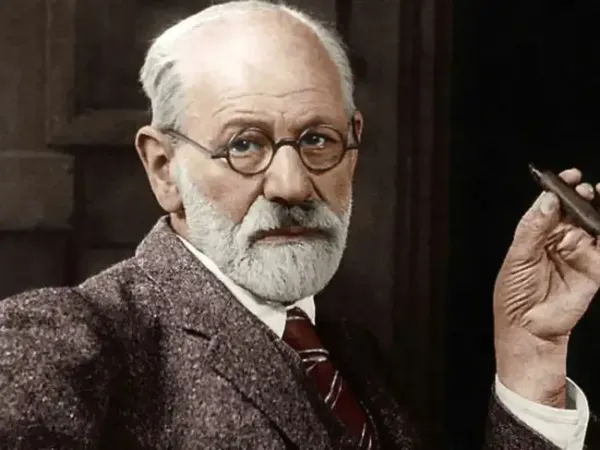
The Quote of the day by Sigmund Freud still feels very real even now, not just something from old psychology books. It talks about a simple thing but also something people usually ignore in daily life. Emotions that are not spoken, not dealt with, they don’t just go away quietly. They stay somewhere inside, and later they show up in ways that are harder to manage. This one line sort of explains why people sometimes react strongly or behave in ways even they don’t fully understand.
“Unexpressed emotions will never die. They are buried alive and will come forth later in uglier ways.” ― Sigmund Freud
The meaning of this is quite direct if you think about it slowly. It says that emotions are not things you can just push aside and expect them to vanish. A person may choose not to talk about what they feel, may ignore it, may distract themselves, but that feeling does not end there. It stays somewhere in the background. It is still active, just not visible on the surface.
When Freud says these emotions are “buried alive,” it gives a very clear image. It is like something is hidden but not gone. Over time, those feelings do not remain quiet forever. They find a way to return. And when they come back, they may not come in the same form. They can show up as anger, stress, anxiety, or behaviour that even the person themselves struggles to explain.
But situations build up. A small hurt ignored today, another tomorrow, and then something bigger later. All of it stays somewhere inside. Then one day, a small issue leads to a big reaction. It may not even be about that one moment. It is often the result of many things that were never expressed earlier.
This is where Freud’s line starts making more sense in practical terms. It is not about theory only. It is about how people behave without realising why.
He is widely known as the founder of psychoanalysis, a method that tried to understand thoughts and behaviour by looking into the unconscious part of the mind. This was a very different approach at the time. Instead of only looking at visible symptoms, Freud tried to explore what lies beneath.
His early work was influenced by neurologists like Jean-Martin Charcot, who used hypnosis in treating patients. That exposure led Freud to think more seriously about hidden mental processes and how they affect behaviour.
According to this view, thoughts, memories, and emotions that people are not fully aware of can still influence their actions. This connects directly with the quote. When emotions are not expressed, they do not disappear. They move into that hidden part of the mind and continue to affect how a person feels and reacts.
Freud believed that people are not always fully aware of their own motivations. It is not about lying to others. Sometimes, people are not even honest with themselves without realising it.
The id is the part that wants immediate satisfaction. It is driven by basic desires. The ego tries to balance those desires with reality. Then there is the superego, which acts like an internal moral guide, shaped by society and upbringing.
When these three are not in balance, it creates tension. That tension often leads to emotions that people may not express openly. Instead of dealing with them, they may push them aside, which again connects to the idea in the quote.
For example, a person might deny something that is clearly bothering them, or they may push painful memories out of awareness. While this may help in the short term, it does not solve the issue completely.
Over time, these suppressed feelings can come back in indirect ways. A person might feel unexplained stress, sudden anger, or emotional exhaustion. This is very close to what the quote suggests — emotions do not just stay buried quietly forever.
His work was not always accepted easily. Many of his theories were considered controversial. Still, over time, his influence spread across psychology, literature, art, and even general culture.
Terms like repression, denial, and Freudian slip are now used in everyday language, which shows how deeply his ideas have entered common thinking.
In the end, what makes this quote stand out is how simple and real it feels. It does not need complex explanation. It reflects something people go through in quiet ways.
Ignoring emotions may seem easier in the moment, but it does not remove them. They stay, they build, and eventually they come out, often in ways that are harder to control or understand.
“Unexpressed emotions will never die. They are buried alive and will come forth later in uglier ways.” ― Sigmund Freud
The meaning of this is quite direct if you think about it slowly. It says that emotions are not things you can just push aside and expect them to vanish. A person may choose not to talk about what they feel, may ignore it, may distract themselves, but that feeling does not end there. It stays somewhere in the background. It is still active, just not visible on the surface.
When Freud says these emotions are “buried alive,” it gives a very clear image. It is like something is hidden but not gone. Over time, those feelings do not remain quiet forever. They find a way to return. And when they come back, they may not come in the same form. They can show up as anger, stress, anxiety, or behaviour that even the person themselves struggles to explain.
Why This Thought Still Feels Relevant
Even though this idea comes from a time long back, it still fits into everyday life now. People deal with pressure from work, relationships, expectations, and many other things. Often, instead of dealing with emotions directly, they choose to move on quickly or pretend it does not matter much.But situations build up. A small hurt ignored today, another tomorrow, and then something bigger later. All of it stays somewhere inside. Then one day, a small issue leads to a big reaction. It may not even be about that one moment. It is often the result of many things that were never expressed earlier.
This is where Freud’s line starts making more sense in practical terms. It is not about theory only. It is about how people behave without realising why.
Who Was Sigmund Freud
Sigmund Freud was born in 1856 in what is now the Czech Republic, though at that time it was part of the Austrian Empire. He later studied medicine at the University of Vienna and began his work in neurology. Over time, his focus shifted from purely physical conditions to understanding the human mind in a deeper way.He is widely known as the founder of psychoanalysis, a method that tried to understand thoughts and behaviour by looking into the unconscious part of the mind. This was a very different approach at the time. Instead of only looking at visible symptoms, Freud tried to explore what lies beneath.
His early work was influenced by neurologists like Jean-Martin Charcot, who used hypnosis in treating patients. That exposure led Freud to think more seriously about hidden mental processes and how they affect behaviour.
The Idea of the Unconscious Mind
One of Freud’s most important contributions was the idea that much of human behaviour is driven by the unconscious mind. He often explained it using something like an iceberg, where only a small part is visible above the surface, while a much larger part remains hidden below.According to this view, thoughts, memories, and emotions that people are not fully aware of can still influence their actions. This connects directly with the quote. When emotions are not expressed, they do not disappear. They move into that hidden part of the mind and continue to affect how a person feels and reacts.
Freud believed that people are not always fully aware of their own motivations. It is not about lying to others. Sometimes, people are not even honest with themselves without realising it.
Id, Ego and Superego in Simple Terms
Freud also introduced the idea that the mind has three main parts — the id, the ego, and the superego. These are not physical parts but ways to understand how personality works.The id is the part that wants immediate satisfaction. It is driven by basic desires. The ego tries to balance those desires with reality. Then there is the superego, which acts like an internal moral guide, shaped by society and upbringing.
When these three are not in balance, it creates tension. That tension often leads to emotions that people may not express openly. Instead of dealing with them, they may push them aside, which again connects to the idea in the quote.
Defence Mechanisms and Hidden Feelings
Freud also spoke about defence mechanisms, which are ways the mind protects itself from uncomfortable feelings. These include things like denial, repression, and projection.For example, a person might deny something that is clearly bothering them, or they may push painful memories out of awareness. While this may help in the short term, it does not solve the issue completely.
Over time, these suppressed feelings can come back in indirect ways. A person might feel unexplained stress, sudden anger, or emotional exhaustion. This is very close to what the quote suggests — emotions do not just stay buried quietly forever.
Freud’s Work and Lasting Impact
Freud published several important works during his career, including The Interpretation of Dreams in 1900, where he explained how dreams could reveal hidden thoughts and desires. He also wrote The Psychopathology of Everyday Life and Three Essays on the Theory of Sexuality, which further expanded his ideas.His work was not always accepted easily. Many of his theories were considered controversial. Still, over time, his influence spread across psychology, literature, art, and even general culture.
Terms like repression, denial, and Freudian slip are now used in everyday language, which shows how deeply his ideas have entered common thinking.
In the end, what makes this quote stand out is how simple and real it feels. It does not need complex explanation. It reflects something people go through in quiet ways.
Ignoring emotions may seem easier in the moment, but it does not remove them. They stay, they build, and eventually they come out, often in ways that are harder to control or understand.