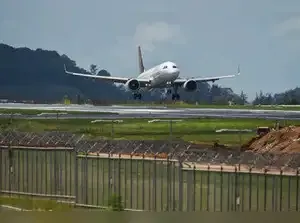
An Air India flight from Mumbai to Bengaluru experienced an engine-related issue mid-air on Thursday, prompting the pilots to issue a “PAN PAN” call, according to a report by Hindustan Times.
The incident involved flight AI 2812, operated by an Airbus A320 Neo. Scheduled to depart at 2:05 am, the aircraft took off around 2:15 am but returned to Mumbai shortly after, landing safely at approximately 2:35 am.
A “PAN PAN” call is an internationally recognised urgency signal used in aviation and maritime communication. It indicates a serious situation that requires immediate attention, but is not as critical as a “Mayday” emergency.
Last month, a report by European Aviation Safety Agency flagged multiple safety lapses at Air India following surprise inspections of its aircraft at European airports. The findings highlighted ongoing concerns around fleet reliability and engineering standards.
The airline, owned by Tata Sons, has faced repeated scrutiny from India’s aviation regulator over maintenance and engineering processes, raising questions about its turnaround efforts since returning to the Tata Group.
Air India’s operations have also been under the spotlight since a fatal crash last year that claimed 260 lives. However, preliminary findings did not attribute the accident to any fault in the aircraft or the airline’s engineering practices.
In a separate development, Air India CEO Campbell Wilson stepped down earlier this week. The airline said Wilson had informed Tata Sons chairman N Chandrasekaran of his decision back in 2024, sparking questions over the lack of a clear succession plan.
The incident involved flight AI 2812, operated by an Airbus A320 Neo. Scheduled to depart at 2:05 am, the aircraft took off around 2:15 am but returned to Mumbai shortly after, landing safely at approximately 2:35 am.
A “PAN PAN” call is an internationally recognised urgency signal used in aviation and maritime communication. It indicates a serious situation that requires immediate attention, but is not as critical as a “Mayday” emergency.
Last month, a report by European Aviation Safety Agency flagged multiple safety lapses at Air India following surprise inspections of its aircraft at European airports. The findings highlighted ongoing concerns around fleet reliability and engineering standards.
The airline, owned by Tata Sons, has faced repeated scrutiny from India’s aviation regulator over maintenance and engineering processes, raising questions about its turnaround efforts since returning to the Tata Group.
Air India’s operations have also been under the spotlight since a fatal crash last year that claimed 260 lives. However, preliminary findings did not attribute the accident to any fault in the aircraft or the airline’s engineering practices.
In a separate development, Air India CEO Campbell Wilson stepped down earlier this week. The airline said Wilson had informed Tata Sons chairman N Chandrasekaran of his decision back in 2024, sparking questions over the lack of a clear succession plan.