A protest by the Europe Chapter for the Missing Persons of Sindh was held outside the United Nations Headquarters in Geneva, drawing attention to alleged enforced disappearances in Pakistan’s Sindh province. The protesters demanded the immediate recovery of those who have disappeared over the past decades.
The protest was led by coordinator Sarang Sindhi and deputy coordinator Saeed Sindhi. The protesters displayed banners and held dialogues to raise awareness among the general public, highlighting the severity of the human rights crisis in Sindh.
Organizers claimed at the gathering that the situation has remained grave for the past two decades, with thousands of persons allegedly forced to disappear. He said more than 10,000 people had disappeared during this period, the majority of whom were political activists and human rights defenders. Hundreds of people are still missing.
The protests also alleged that people were picked up from streets, public places, vehicles and even their homes without legal process. Families often face uncertainty, as there is no official information available about their relatives. In many cases, the missing were later found dead, with marks of custodial torture found on their bodies.
Organizers specifically mentioned the cases of Ayub Kandharho, Sohail Raza Bhatti and Allah Wadhayo Meher, who are still missing. He criticized Pakistan’s judicial system, alleging that it has failed to recover or fix responsibility for missing persons.
Following the demonstration, the organizers submitted a memorandum to the UN Human Rights Council, highlighting alleged human rights violations in Sindh and demanding immediate intervention from the international community to ensure the safe return of these missing persons.
After concluding the demonstration, the attendees promised that they will continue to raise this issue globally and demand justice for the affected families until concrete steps are taken.
-
A Tiny Error Left An Air Canada Boeing 767 Flight With 2 Dead Engines. How The Pilot Landed It

-
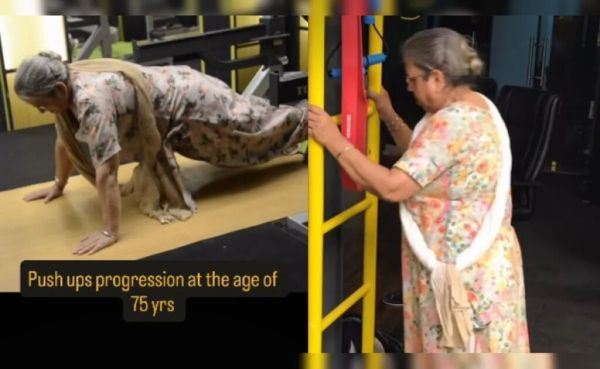
75-Year-Old Woman Nails Push-Ups In 12 Weeks, Internet Is Inspired
-
15-Minute Protein-Rich Egg Poha Recipe For A Healthy Breakfast

-
New wave of AI Layoffs, why professionals aged 40+ are becoming the most victims?

-
Aaj Ka Rashifal 9 April 2026: People of Taurus and Cancer zodiac signs will get the stuck money, know the condition of your zodiac sign!