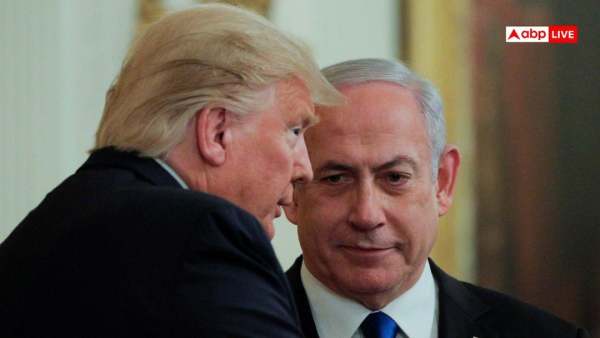
US-Iran War: Israel has voiced frustration after being informed at the eleventh hour about the ceasefire agreement involving Iran and the United States. Though not directly involved in the negotiations, Israeli officials were briefed only shortly before the deal was made public.
U.S. President Donald Trump reportedly spoke with Prime Minister Benjamin Netanyahu to secure Israel’s participation. While Netanyahu’s office did not immediately respond, a U.S. official confirmed that Israel agreed to the arrangement after the call.
Israel Caught Off Guard By Ceasefire
Tensions quickly emerged over the scope of the ceasefire. Israeli officials raised objections to suggestions that Lebanon was included in the agreement. Hours after the announcement, Netanyahu’s office issued a clarification backing the truce but stressing that it did not apply to Lebanon, as per Israel reports.
The Israeli military reinforced this stance, stating that while operations against Iran had been paused, strikes targeting Hezbollah positions in Lebanon would continue. The distinction highlights Israel’s ongoing security concerns regarding the Iran-backed group.
Mediation Confusion Adds To Strain
Confusion surrounding the terms of the agreement has further complicated the situation. Pakistani Prime Minister Shehbaz Sharif, who played a role in mediating the truce, initially indicated that Lebanon was part of the ceasefire framework.
However, both Washington and Tel Aviv rejected that interpretation, pointing to Hezbollah’s continued involvement in hostilities as the reason for excluding Lebanon. The discrepancy has underscored the fragile and complex nature of the arrangement.
Domestic Backlash In Israel
The ceasefire has also triggered political criticism within Israel. Opposition leader Yair Lapid sharply attacked the agreement, describing it as a failure on both political and strategic fronts.
Lapid accused Netanyahu of not achieving his stated objectives and argued that the deal could weaken Israel’s position in the region. The criticism reflects broader concerns within Israeli political circles about the implications of the ceasefire and the country’s role in shaping it.
-
Difference Between a University and a Deemed University: What Sets Them Apart? Learn Everything in 5 Key Points..

-
How to Secure a Job Opportunity on an Indian Navy Submarine? Learn Everything—From Eligibility to Salary..

-
CBSE 10th Result 2026: CBSE Class 10 Results to be Released Soon; Here Are 4 Ways to Check Your Results..

-
CRPF Constable Recruitment: Notification Issued for the Recruitment of 9,175 Constables in the Central Reserve Police Force..

-
Bank Job: Recruitment for 350 SO Posts at Indian Bank; Online Applications Open, Get Full Details Here..