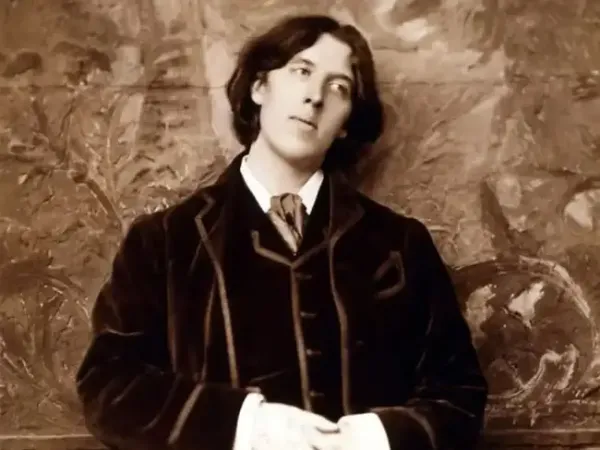
The Quote of the Day today comes from one of literature’s sharpest minds, Oscar Wilde. The line sounds simple at first, almost like a joke tossed in conversation, but it carries a kind of layered meaning that people keep returning to even now. Wilde was known for saying things that sound light but are not really light at all, and this quote fits that pattern. It appeared in his 1893 play A Woman of No Importance, a work where he often poked at society and its habits.
“One should always be in love. That is the reason one should never marry.”
When we look at the meaning, it seems to suggest that being in love is something alive, something moving, something that depends on feeling and excitement. Marriage, in contrast, is shown almost as a structure, something fixed. Wilde is not necessarily saying marriage is wrong, but he seems to hint that once something becomes formal, it may lose the same spark that made it special in the beginning. This idea might feel extreme, but it reflects a concern many people quietly think about even today.
There is also another way to read this quote. It can be seen as a criticism of how society treats relationships. Wilde lived in a time when marriage was often more about social expectation than personal feeling. So when he says one should never marry to remain in love, he could be questioning whether institutions sometimes take away the very thing they are supposed to protect. In a way, it feels less like advice and more like a comment on how people change once they try to define love too strictly.
Wilde had a habit of writing in epigrams, short lines that sound polished and witty but stay in the mind longer than expected. This quote is one of those lines. It feels like something said casually, but it has survived for over a century, which says something about its impact.
He studied at Trinity College in Dublin and later at Oxford, where he became associated with the Aesthetic movement, which believed in “art for art’s sake.” This idea shows up in many of his works, where beauty, style, and wit matter just as much as moral lessons, sometimes even more.
Wilde became widely known not just for his writing but also for his personality. He was seen as witty, bold, and at times controversial. His works like The Picture of Dorian Gray and plays such as The Importance of Being Earnest made him one of the most talked-about writers of his time. These works often explored themes of identity, morality, and society’s expectations, which again connect back to the quote.
His trials and imprisonment for “gross indecency” had a huge impact on his life and career. After serving two years in prison, his reputation was damaged, and he spent his final years away from the society that once celebrated him. In that sense, his views on love and marriage may not have been purely theoretical. They were shaped by real experiences, pressures, and consequences.
So when reading the 'Quote of the Day,' it does not feel like just a witty observation anymore. It starts to feel like something that comes from a person who had seen both admiration and rejection, both success and downfall.
In modern times, the idea may feel exaggerated, even a bit cynical. Many would disagree with it strongly. But at the same time, it opens a space for discussion. It makes people pause and think about what love means to them and how it fits into their lives.
Wilde’s strength was exactly this. He did not always try to give clear answers. Instead, he raised questions in a way that stayed interesting. The quote works in that same way. It does not tell people what to do, but it makes them think about what they are already doing.
“One should always be in love. That is the reason one should never marry.”
When we look at the meaning, it seems to suggest that being in love is something alive, something moving, something that depends on feeling and excitement. Marriage, in contrast, is shown almost as a structure, something fixed. Wilde is not necessarily saying marriage is wrong, but he seems to hint that once something becomes formal, it may lose the same spark that made it special in the beginning. This idea might feel extreme, but it reflects a concern many people quietly think about even today.
There is also another way to read this quote. It can be seen as a criticism of how society treats relationships. Wilde lived in a time when marriage was often more about social expectation than personal feeling. So when he says one should never marry to remain in love, he could be questioning whether institutions sometimes take away the very thing they are supposed to protect. In a way, it feels less like advice and more like a comment on how people change once they try to define love too strictly.
Where the line comes from
The quote is linked to Wilde’s play A Woman of No Importance, which is one of his well-known social comedies. His plays often looked at upper-class society and showed its contradictions, sometimes in a funny way and sometimes in a slightly uncomfortable way. This line fits naturally into that world where people say clever things, but those clever things often reveal deeper truths.Wilde had a habit of writing in epigrams, short lines that sound polished and witty but stay in the mind longer than expected. This quote is one of those lines. It feels like something said casually, but it has survived for over a century, which says something about its impact.
A look at Oscar Wilde’s life
Understanding the quote also means understanding Oscar Wilde himself. He was born in Dublin in 1854 into a family that was already connected to literature and ideas. His father was a well-known surgeon, and his mother was a writer who had strong views on Irish identity and culture. From early on, Wilde was surrounded by language, debate, and creativity.He studied at Trinity College in Dublin and later at Oxford, where he became associated with the Aesthetic movement, which believed in “art for art’s sake.” This idea shows up in many of his works, where beauty, style, and wit matter just as much as moral lessons, sometimes even more.
Wilde became widely known not just for his writing but also for his personality. He was seen as witty, bold, and at times controversial. His works like The Picture of Dorian Gray and plays such as The Importance of Being Earnest made him one of the most talked-about writers of his time. These works often explored themes of identity, morality, and society’s expectations, which again connect back to the quote.
Love, marriage, and Wilde’s own experiences
It is hard to ignore that Wilde’s personal life also adds another layer to this quote. He was married to Constance Lloyd and had two children, but his later life became complicated and difficult, especially due to his relationships and the legal troubles he faced in the 1890s.His trials and imprisonment for “gross indecency” had a huge impact on his life and career. After serving two years in prison, his reputation was damaged, and he spent his final years away from the society that once celebrated him. In that sense, his views on love and marriage may not have been purely theoretical. They were shaped by real experiences, pressures, and consequences.
So when reading the 'Quote of the Day,' it does not feel like just a witty observation anymore. It starts to feel like something that comes from a person who had seen both admiration and rejection, both success and downfall.
Why it still connects today
The reason this quote still circulates is probably because it touches on a question that does not really go away. People still wonder whether love changes once it becomes formal, whether commitment strengthens it or quietly reduces it. There is no single answer, and Wilde does not offer one either. He only presents a thought, almost like a challenge.In modern times, the idea may feel exaggerated, even a bit cynical. Many would disagree with it strongly. But at the same time, it opens a space for discussion. It makes people pause and think about what love means to them and how it fits into their lives.
Wilde’s strength was exactly this. He did not always try to give clear answers. Instead, he raised questions in a way that stayed interesting. The quote works in that same way. It does not tell people what to do, but it makes them think about what they are already doing.