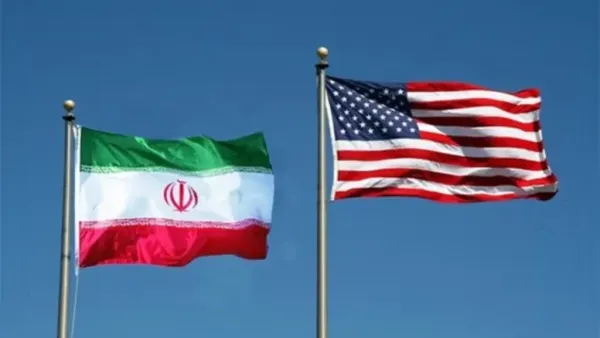
The two-week US-Iran ceasefire that Trump has called a total and complete victory explicitly excludes Lebanon, and President Trump told Israeli Prime Minister Benjamin Netanyahu during a phone call last night that he does not oppose Israel continuing its military operations against Hezbollah, according to an Axios reporter citing a senior American official. The White House has formally confirmed through Press Secretary Karoline Leavitt that the temporary truce covers only direct US-Iran hostilities and the Strait of Hormuz reopening, not any other regional front.
What the ceasefire actually covers
The conditional two-week agreement between the United States and Iran, as outlined by Trump and confirmed by White House officials, has four specific elements.
US airstrikes on Iranian targets are suspended for two weeks. Iran immediately reopens the Strait of Hormuz to safe international maritime traffic. Indirect negotiations begin in Pakistan covering uranium enrichment, sanctions relief, and nuclear site issues. And Trump has outlined what he describes as a productive regime change framework in Iran including removal of buried nuclear material and progress on 15 negotiation points.
That is the complete scope of the ceasefire. Lebanon is not in any of those four elements. Hezbollah is not mentioned. The Pakistani mediators who suggested the truce might extend to all regional fronts were either misinformed or deliberately overstating the agreement’s scope.
The Trump-Netanyahu call
The phone call between Trump and Netanyahu last night produced the most operationally significant clarification of the ceasefire’s geographic limits. A senior American official told Axios that Netanyahu raised the issue of continuing the fighting in Lebanon during the call, and Trump did not express opposition to continuing the fighting against Hezbollah.
Trump not expressing opposition is American presidential language for a green light. Netanyahu raised Lebanon. Trump did not say stop. That exchange effectively communicates US acquiescence to Israel continuing its military campaign against Hezbollah while the Iran ceasefire is in effect.
Netanyahu had already stated publicly that the two-week ceasefire does not include Lebanon before the Axios report confirmed the phone call details. His public statement and the private phone call are entirely consistent. Israel intends to continue operations in Lebanon during the two-week Iran pause, and the United States has been informed and has not objected.
Why Lebanon remaining active matters
The exclusion of Lebanon from the ceasefire has several significant implications that distinguish this agreement from a comprehensive regional de-escalation.
Hezbollah remains Iran’s most capable and geographically proximate proxy force. During the 38 days of active US-Iran hostilities, Hezbollah launched approximately 100 attacks targeting northern Israeli communities and Israeli forces in northern Israel and southern Lebanon in a 24-hour period at the conflict’s peak. The Lebanese Health Ministry reported significant civilian casualties from Israeli strikes throughout the conflict. Three UN peacekeepers were wounded by an explosion in southern Lebanon as recently as April 3.
A ceasefire that pauses US-Iran direct hostilities while Israel continues striking Hezbollah in Lebanon creates an asymmetric pause rather than a regional de-escalation. Iran may view continued Israeli operations against its most important non-state ally as a provocation that undermines the ceasefire’s premise, particularly if Israeli strikes cause significant Hezbollah casualties or infrastructure destruction during the two-week window.
The Pakistani mediators’ suggestion that the truce might extend to all regional fronts was apparently not accurate, but it reflects what Iran may have understood or hoped the agreement implied. If Tehran expected Lebanon to be included and Washington and Tel Aviv are operating on the basis that it is explicitly excluded, the ceasefire’s two-week durability faces an early test.
The White House position
Karoline Leavitt’s statement that Lebanon is not included in the two-week ceasefire agreement is the clearest possible official American position on the question. The White House is not leaving room for ambiguity. The truce is US-Iran specific. Everything else continues.
For markets, the Lebanon exclusion is a partial de-escalation signal rather than a comprehensive one. The Strait of Hormuz reopening that is part of the agreement is the most important single element for crude oil prices, shipping costs, and India’s energy security. That element is intact regardless of what happens in Lebanon. But a ceasefire that leaves one of the region’s most active conflict fronts unaddressed is a ceasefire that remains fragile and subject to escalation from a direction the agreement did not close off.
India’s approximately 1 crore diaspora in Gulf states, the RBI’s rate decision made this morning under ceasefire conditions, and crude oil’s expected decline from its $115 52-week high are all being priced on the assumption that the two-week pause holds. Lebanon remaining active is the most immediate variable that could test that assumption before the two weeks are up.
-
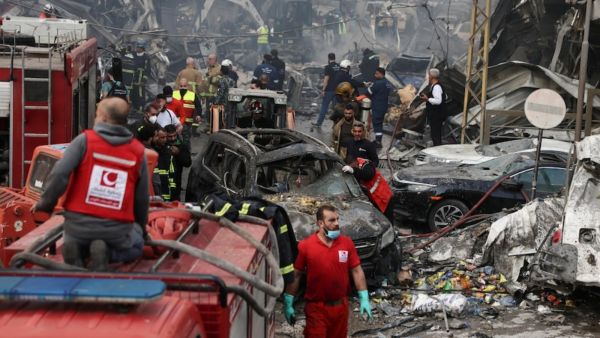
Continued Israeli strikes in Lebanon threaten fragile US–Iran ceasefire
-
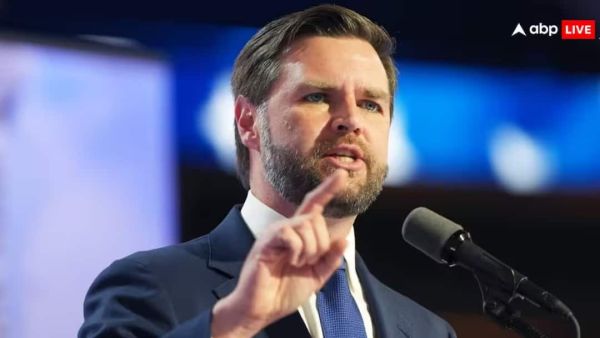
Trump's 'Right Hand' JD Vance To Lead US-Iran Talks In Pakistan, Tehran Confirms Participation
-
Allu Arjun birthday: From Kajal Aggarwal to Jr NTR, wishes the 'Raaka' actor; Rashmika Mandanna hopes he parties hard

-
'Dhurandhar 2' box office collection Day 21: Ranveer Singh starrer dips under Rs 10 crore; slows down after entering Top 10 Highest-Grossing films of 2026

-
'Pallichattambi' release postponed: Tovino Thomas film now set for Vishu; Delay due to THIS reason