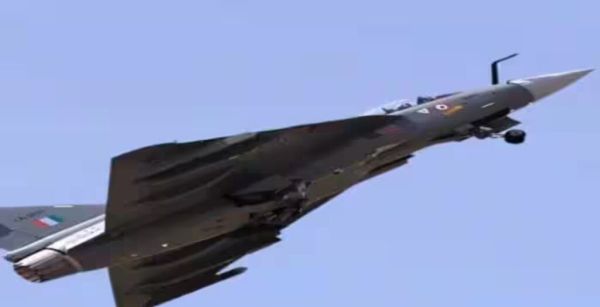
The Indian Air Force (IAF) Light Combat Aircraft (LCA) Tejas Mk-1 fleet has resumed flying today after a two-month precautionary grounding. Hindustan Aeronautics Limited (HAL) Chairman and Managing Director D.K. Sunil confirmed that a software glitch to the braking system, which was identified following a runway overrun incident in February 2026, has been fully rectified. After necessary modifications and checks, around 34 operational Tejas aircraft have now been given clearance to fly.
The incident, which took place at an IAF frontline base in February, involved a hard landing in which the aircraft overshot the runway, causing structural damage. The pilot ejected safely. This was the third major incident in recent years: a crash near Jaisalmer in 2024 due to an engine fuel-feed problem, and the tragic and fatal crash of Wing Commander Namansh Syal during a low-altitude aerobatic display during the Dubai Airshow in November 2025.
Despite facing criticism for these setbacks, HAL and the IAF maintain that the grounding of the planes was merely a precautionary measure. The Tejas program has completed over 50,000 safe flight hours so far, and as a new indigenous fighter aircraft, it has a very strong overall safety record.
Program progress and challenges
The Tejas program, which began in the early 1980s, has faced decades of delays due to technical constraints, restrictions and supply chain issues — particularly the shortage of GE F404 engines. The IAF has inducted most of the original Mk-1 batch of aircraft (approximately 35–40 aircraft) into its fleet. For the upgraded Mk-1A variant, 83 jets were ordered in 2021 and a further 97 jets were ordered in September 2025, bringing the total order to 180 Mk-1A aircraft. These aircraft will gradually equip multiple squadrons, helping the IAF reach its full strength of 42 squadrons.
HAL is ramping up production at its facilities in Bengaluru and Nashik, with an aim to speed up the rate of delivery of the aircraft. The Mk-1A jets will undergo rigorous testing before they are fully inducted into the fleet. Critics are raising questions about the timing and cost, yet the program is vital to replace aging MiG-21 aircraft and increase self-reliance in the defense sector.
The resumption of flights signals new momentum. With continued improvements to the Mk-1A and development of the more powerful Mk-2, Tejas continues to strengthen India’s combat capabilities.
-
Adityanath reviews GeM procurement, praises UP's policy on transparency and efficiency

-
World Bank ups India's FY27 GDP growth projections to 6.6 pc; flags Middle-East crisis uncertainty

-
Not end of war, enriched uranium to leave Iran through agreement or force: Netanyahu

-
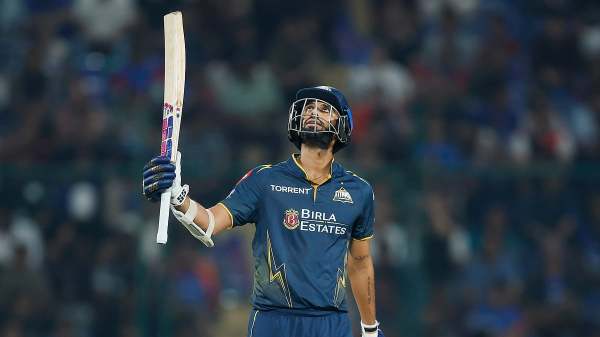
DC VS GT, IPL 2026: Washington Smashes Maiden Half-Century, Gill-Buttler Power Gujarat To 210/4
-
IPL 2026: Rain Threat Looms Over KKR Vs LSG Clash In Kolkata After Washout Against PBKS; Check Weather Update