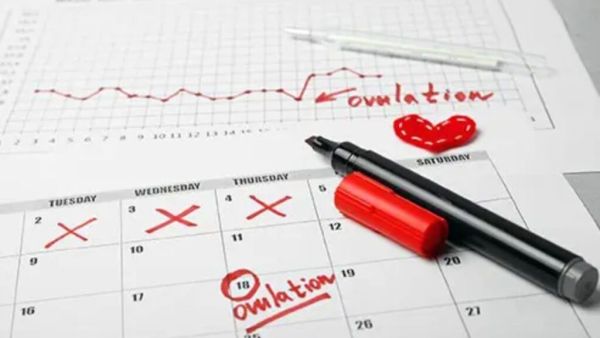
New Delhi: Ovulation is a crucial phase of the menstrual cycle when an ovary releases a mature egg. This typically occurs once in each cycle and is essential for natural conception. The released egg travels through the fallopian tube, where it may be fertilized if sperm is present.
For most women, ovulation happens around the middle of the cycle, though the exact timing can vary depending on individual hormonal patterns.
Are Momos really safe to eat? Shocking health risks you need to know!
When Does Ovulation Occur?
In a typical 28-day cycle, ovulation usually takes place around day 14. However, cycle lengths differ, and ovulation may occur earlier or later. Factors such as stress, illness, or lifestyle changes can also influence timing.
The “fertile window” includes the five days leading up to ovulation and the day of ovulation itself. This is the period when the chances of pregnancy are highest.
Common Signs and Symptoms
The body often gives subtle signals when ovulation is approaching. One of the most noticeable changes is in cervical mucus, which becomes clear, stretchy and similar to egg whites.
Some women may also experience mild lower abdominal pain, often referred to as mittelschmerz. Other signs can include a slight rise in basal body temperature after ovulation, increased libido, and heightened sensitivity to smell or taste.
Why Ovulation Matters?
Ovulation is not only important for conception but also serves as an indicator of overall reproductive health. Regular ovulation suggests that hormonal systems are functioning properly.
Irregular or absent ovulation can sometimes signal underlying health issues such as hormonal imbalances or conditions like polycystic ovary syndrome (PCOS). In such cases, medical advice may be needed.
Tracking Ovulation
Many women track ovulation to either plan or avoid pregnancy. Methods include monitoring menstrual cycles, checking basal body temperature, and using ovulation predictor kits.
HIV, Malaria Supply Chain at Risk as US Overhauls Global Health Aid
Digital health apps have also made it easier to estimate ovulation days, though these tools are most effective when used consistently over time.
When to Seek Medical Advice?
If menstrual cycles are highly irregular or if there are concerns about fertility, consulting a healthcare professional is recommended. Early evaluation can help identify potential issues and guide appropriate treatment.
Understanding ovulation empowers women to make informed decisions about their health. With greater awareness, it becomes easier to recognize normal patterns and seek help when needed.
-
Hyderabad Old City residents celebrate Middle East ceasefire

-
Union Cabinet clears draft bills for early implementation of women’s quota law

-
IPL 2026: Gujarat Titans beat Delhi Capitals by one run in a thriller

-
Can Maharashtra's leopard contraception trial curb conflict with humans?

-
Best tax-free savings accounts to open before rule change