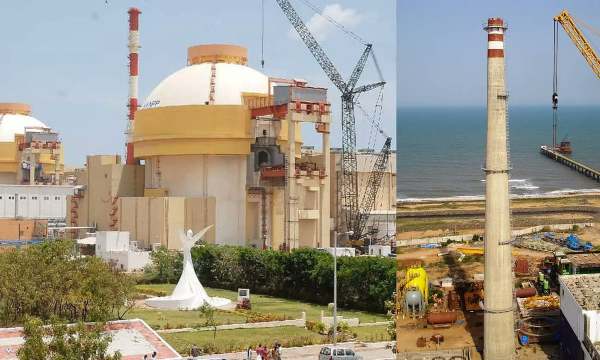
India’s Prototype Fast Breeder Reactor (PFBR) at Kalpakkam has achieved criticality, marking a major step in its nuclear programme. The milestone means the reactor can sustain a nuclear chain reaction. Narendra Modi called it a defining moment as India moves towards thorium-based energy and long-term energy independence.
India has taken a landmark step in its long-running nuclear programme, with the Prototype Fast Breeder Reactor (PFBR) at Kalpakkam in Tamil Nadu achieving criticality, meaning the reactor has successfully initiated and sustained a self-sustaining nuclear chain reaction for the first time.
Prime Minister Narendra Modi hailed the achievement, calling it 'a defining step forward in India's civil nuclear journey, marking significant progress in the second stage of its nuclear programme.'
What does 'achieving criticality' actually mean?
In terms of nuclear energy, criticality means the reactor has reached the point where it can sustain a nuclear fission reaction, with the number of neutrons produced in the reactor sufficient to keep the chain reaction going without external intervention. It does not mean the reactor has begun supplying electricity at full capacity - that will follow a staged commissioning process - but it is one of the most critical milestones in bringing any nuclear reactor online.
-
Jasprit Bumrah Becomes 4th Cricketer To Play 150 Matches For Mumbai Indians

-
Suryakumar Yadav Becomes 3rd Cricketer To Hit 150 Sixes For Mumbai Indians

-
IPL 2026 [WATCH]: Tilak Varma’s spectacular catch on the boundary line removes Vaibhav Suryavanshi during RR vs MI clash

-
Understanding the Qualities of a Good Bride According to Hindu Traditions

-
Asian Markets Surge Following Ceasefire and Oil Price Drop