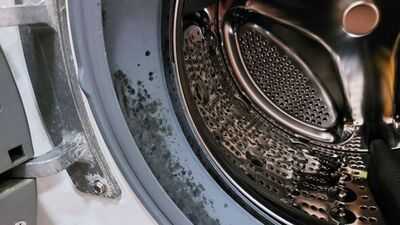
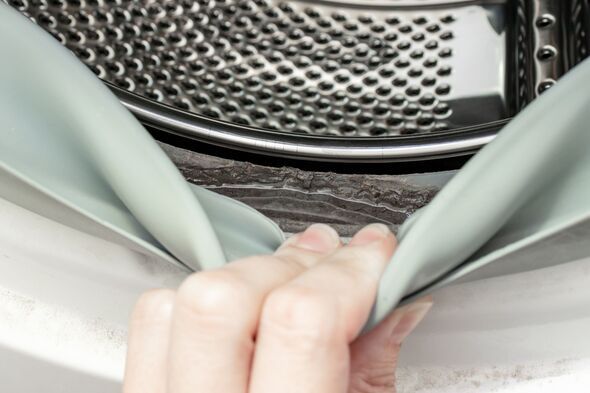
The washing machine's rubber seal, also called the door gasket, is a vital part of this home appliance. It creates a watertight seal between the door and the drum, preventing water from leaking during the wash cycle. However, if not properly cleaned, the rubber seal can also become a breeding ground for pesky black mould and mildew to fester.
The warm and damp environment inside the washing machine provides the perfect conditions for mould and mildew to thrive, which can also cause unpleasant odours. The washing machine seal comes into direct contact with your clothes, and any dirt or mould on it can transfer onto your laundry, defeating the purpose of washing them in the first place. As well as this, a dirty and clogged rubber seal can interfere with the functioning of your washing machine, as it may lead to leaks, decreased efficiency, and even damage to the device over time.
With this in mind, cleaning experts at Smol rave over using white vinegar to banish mould from washing machine seals.
Speaking about how well this kitchen staple works, the pros claimed that "vinegar kills mould more effectively than bleach".
They said: "Bleach only kills mould spores on the surface of affected materials, whereas vinegar can penetrate porous materials, killing mould at its root."
While leaving an acid like neat vinegar on a surface for weeks on end could allow it to have an impact.
Using vinegar in a wash where it is diluted with water or making a solution and wiping it back off is not the same as "people have been doing this for decades without damaging their washing machines".
To clean your washing machine seal with white vinegar, mix equal parts warm water and vinegar and then, using your cloth, apply it to the seal.
Rub the solution into the mould and leave for 15 minutes. After, rinse off with a damp cloth and clean warm water.
-
Manipur govt dismisses rumours on security personnel ‘killing’ protesters

-
IndiGo plane struck by unmanned vehicle at Kolkata Airport

-
Hades 2 headlines bumper month for Xbox Game Pass

-
Iran agrees to open Strait of Hormuz after Trump's 14-day ceasefire announcement

-
Mumbai Indians' Hardik Pandya Remains Hopeful After Loss to Rajasthan Royals