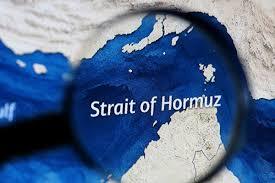
News India Live, Digital Desk: The tension between America and Iran over the world’s most important oil route ‘Strait of Hormuz’ has reached the brink of war. Iran’s threat to close this narrow sea route and its proposal to collect ‘toll tax’ on ships passing through it has created a global stir. Zee News’ special investigation has revealed that this fight is not just about geography, but about sovereignty over the sea and possession of the trillion dollar economy. What is the dispute? Preparation to collect toll in the sea: A bill named ‘Strait Security Arrangement’ is pending in the Parliament of Iran, in which there is a provision to collect toll in the name of ‘navigation safety’ from merchant ships passing through Hormuz. Iran argues that it alone bears the entire burden of security on this route, so the countries passing through it should pay for it. On the other hand, America and its allies are calling it ‘piracy’ and violation of international laws. Who is the real owner? Geography vs. LawThe width of the Strait of Hormuz is just 21 miles (33 kilometers) at its narrowest point. Iran and Oman: Geographically, this strait falls within the territorial waters of Iran and Oman. Under international law, the maritime boundary of any country extends up to 12 nautical miles from the coast. Since this route is less than 24 miles wide, there are no ‘International Waters’ left here. Role of Oman: A large part of this route is also under the control of Oman, but Iran claims to have ‘De-facto Control’ here due to its military power and geographical position. Ships have the right of ‘innocent passage’ through the straits used for transit. Iran’s side: Iran has signed the UNCLOS treaty but has not ratified it. Therefore, Iran argues that it is not bound to follow all the rules of this treaty. Expert opinion: Experts say that no country has the right to charge fees merely for passing on international waterways. However, if a country provides special services (such as navigation or cleaning), it may charge a fee. Why is it a ‘lifeline’ for the world? Hormuz has been called the world’s ‘vein of oil’. About 20% to 25% of the world’s seaborne crude oil trade passes through this route. Impact on India: About 50% of India’s total oil imports come through this route. If this route is closed or toll is imposed here, then the prices of petrol and diesel in India may skyrocket. Global crisis: Due to the current war, the prices of Brent crude have already crossed $ 100 per barrel. More than 150 oil tankers are stranded in the region, causing the global supply chain to collapse. America’s role and Trump’s stance US President Donald Trump has recently warned allies that it is not only America’s responsibility to protect Hormuz. He has called on friendly countries to “secure their own oil”. America’s fifth fleet is stationed in Bahrain, which is continuously patrolling to keep this route open. If Iran tries to levy tolls here or close the route completely, it could directly lead to a major military confrontation with the US.
-
Upcoming Sports Thriller 'Glory' Set to Premiere on Netflix

-
Shocking photo of 250 poodles caked in their own filth crammed inside tiny home

-
Massive Data Breach in China: Sensitive Military Information Stolen

-
Bright Meteor Lights Up Eastern US Skies
-
Masters star Brooks Koepka scolded by coach for breaking agreement - 'No excuses'