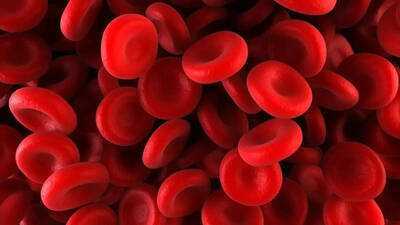
Maintaining proper blood flow is crucial for good health. However, there are instances when blood can become either too thick or too thin, posing health risks. It is vital to identify these conditions promptly. Dr. Suvakar Dutta from the Pathology Department at AIIMS, Delhi, provides insights on this matter.
What Causes Blood Thickening?
Blood viscosity is maintained at a specific level to ensure adequate oxygen and nutrient delivery throughout the body. When blood becomes excessively thick, it indicates an increase in clotting factors, which can lead to rapid clot formation. Conversely, thin blood suggests a reduced ability to clot, increasing the risk of bleeding. Various factors can contribute to these conditions, including dehydration, certain medications, liver issues, vitamin K deficiency, or genetic predispositions. Therefore, it is essential to determine whether blood is within normal limits through specific tests.
Health Risks of Abnormal Blood Thickness
Both excessively thick and thin blood can pose serious health threats. Thick blood can slow down circulation, leading to blood clots, which may result in severe complications such as strokes, heart attacks, or deep vein thrombosis. On the other hand, overly thin blood can cause excessive bleeding from minor injuries and increase the risk of internal bleeding, especially during surgeries or injuries. Symptoms like frequent nosebleeds, prolonged bleeding from cuts, or swelling in the legs warrant immediate medical evaluation.
Recommended Tests for Blood Thickness
Dr. Suvakar Dutta advises specific blood tests to assess blood thickness. The most common and essential tests include PT (Prothrombin Time) and INR (International Normalized Ratio), which evaluate the blood clotting process. A lower PT-INR level may indicate thick blood, while a higher level suggests thin blood.
Additionally, a CBC (Complete Blood Count) can provide insights into platelet count and blood quality. Tests like D-Dimer and Blood Viscosity are also useful in determining blood thickness. Based on symptoms, doctors can recommend appropriate tests, allowing timely treatment to prevent serious health issues.
Health Tips to Maintain Proper Blood Thickness
Stay hydrated by drinking enough water.
Avoid taking blood thinners without a doctor's advice.
Maintain a nutritious diet.
Steer clear of smoking and alcohol.
Regular health check-ups are essential.
Incorporate exercise into your daily routine.
-
Sweet potatoes are beneficial for health, but for whom? Know complete information
-
Summer Skincare: From liquorice to turmeric, 5 best face packs that give coolness and glow to the face in summer.

-
Ways to avoid dehydration in summer

-
Jabalpur High Court gave relief to thousands of Sanskrit Board students, permission to fill 10th-12th class forms

-
This news will open the eyes of those purchasing LPG cylinders! Just remember these 3 ‘Golden Rules’, otherwise a big accident can happen.