The Indian art market has witnessed a significant development, with one of its most well-known paintings changing hands at a record valuation.
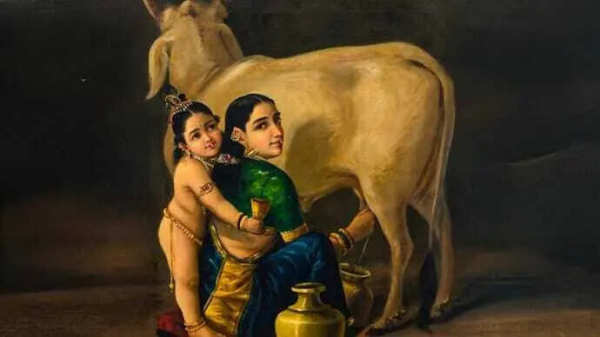
Yashoda and Krishna by Raja Ravi Varma was recently sold at auction for around $18 million (approximately ₹167 crore), reflecting the growing global interest in Indian art .
The sale took place through Saffronart, where the painting attracted strong interest from bidders. It was eventually acquired by industrialist Cyrus S. Poonawalla. While the financial details have drawn attention, this development also points to broader changes in how Indian art is being perceived in international markets.
A Masterpiece with Cultural Significance Created during the 1890s, a period associated with some of Varma’s most recognized work,
Yashoda and Krishna captures the emotional bond between the infant deity Krishna and his foster mother Yashoda. The painting reflects Varma’s distinctive style, combining elements of European realism with Indian mythological themes.
Original works by Varma are limited in number, especially in private collections, which adds to their importance in the art market. Beyond its artistic value, the painting also carries cultural significance, representing themes deeply rooted in Indian traditions.
Changing Dynamics of the Art Market The recent sale reflects how Indian art is increasingly seen not only as cultural heritage but also as a valuable asset class. There has been a noticeable rise in participation from international buyers, supported by greater global awareness, improved authentication processes, and growing interest in art as an investment.
As Indian artworks gain visibility beyond domestic markets, their valuation is increasingly influenced by factors such as rarity, historical context, and cultural relevance.
Growing Importance of Art Valuation Experts believe that as the market expands, the need for structured and professional valuation methods is becoming more important. According to Nitesh Shrivastava, a government-approved art valuer, the focus is gradually shifting toward more scientific and standardized approaches in assessing artworks.
He noted that, in today’s environment, art is not only collected for personal or cultural reasons but is also considered a financial asset. Proper valuation practices help build transparency and trust, especially as more high-net-worth individuals and institutional buyers enter the space.
A Broader Market Shift While the price of the painting has been widely discussed, it also reflects a broader movement within the global art market. Indian art is gradually gaining recognition alongside other established markets, supported by increasing demand and evolving investor interest.
For Raja Ravi Varma, whose work continues to influence Indian visual culture, the sale underlines his continued relevance. More broadly, it points to a phase where cultural significance and financial value are increasingly intersecting within the art ecosystem.
-
RR VS MI Toss Delayed Due To Rain In Guwahati, Washout Threat Looms Over IPL 2026 Clash
-
Asian Boxing Championships 2026: India Send 8 Boxers Into Finals As Minakshi, Jaismine, Vishvanath And Sachin Shine

-
'Stop Spreading Negativity': Ameesha Patel Reacts To Zakir Khan Claiming Bollywood Is 'Jealous' After Dhurandhar 2 Success

-
Pakistani singer Ali Zafar wins defamation case against Meesha Shafi after 8-year court battle

-
Political Turmoil in Bihar: Calls for Leadership Change Intensify