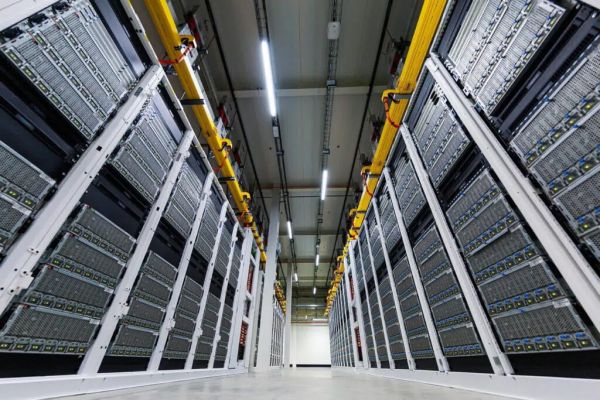
The race among American artificial intelligence firms to construct additional data centers is gaining traction; however, the results are mixed. Manufacturing and energy issues are impeding numerous ventures. In fact, merely 50% of data center constructions have been completed on schedule recently, with further delays anticipated in 2023.
According to Sightline Climate analysts, 30% to 50% of artificial intelligence data center deployments scheduled for implementation in the US in 2023 could be delayed or terminated. Two critical obstacles have been identified.
The development of data centers is hampered by insufficient access to crucial electrical equipment and escalating electricity demands.
There are currently 140 initiatives, with a total capacity of 16 gigawatts targeted for delivery before the end of 2026. Only five gigawatts are presently being built.
The construction of an average data center takes 12 to 18 months, leaving little space for any delays. An additional 16 gigawatts worth of proposed capacity remains in the “announced” phase without any indication of progress.
Infrastructure Bottlenecks and the Global Supply Crunch
This is consistent with what happened last year as well. The manufacturing industry delayed the capacity by 26% and delayed commercial production in another 10%. Moving into the future, the pipeline becomes much bigger. There are plans for projects in 2027 worth more than 25 gigawatts; however, less than 10 gigawatts is under construction at present.
The supply of power turns out to be the key issue in question. AI requires huge volumes of electricity and consumes more energy than computers. Local power stations are ill-prepared to meet this challenge. It will take some time for companies to build additional transmission lines.
There is also resistance against this kind of project from the citizens living in areas where they will put up their facilities.
This is because they are afraid that there might be an increase in the cost of energy since there is high demand for it. A new survey done by the Pew Research Center shows that Americans are very much concerned about their environmental impacts.
To solve the issue of energy capacity, the companies are looking into hybrid energy solutions. There are plans to combine power from the area grid with power from other sources such as nuclear and renewable energy. The use of small modular reactors and solar farms has been considered, although this will also take time to implement.
The hardware supply creates another challenge. The AI data centers have changed the supply chain of technology on a global scale. There has been increased demand for storage, memory, and CPUs, resulting in higher prices for consumer goods like personal computers and gaming systems. Now, other essential components are facing shortages.
Why Global Supply Chains are Throttling the AI Revolution
Bloomberg’s reports point out that there is a shortage of transformers, batteries, and other electrical items. All these components are necessary for creating data centers. Without them, no project, despite its funding, can be completed.
All attempts at increasing domestic production have been unsuccessful. The policies of the Trump era were based on importing more by imposing tariffs on China and other exporting nations. Although these measures resulted in increased investments in domestic manufacturing, the capacity of the American manufacturers remains insufficient.
Nowadays, all American enterprises import necessary components from abroad, including China. Such a situation is fraught with risks because supply chains may change, and political relations may cause problems with the necessary items.
All of these elements paint a very clear picture. The desire for AI infrastructure is growing rapidly, but the infrastructure itself is failing to meet this demand. Power grids require improvement. Production needs to be increased. Logistics must stabilise.
Until these problems are solved, there will be no way around delays. Corporations may change deadlines, reduce scope, or even relocate their project sites to areas where electricity and technology are more abundant. The competition for AI facilities will only continue, but progress will likely not come as quickly as many had hoped.
-
HDFC Bank Cuts MCLR: Loans Get Cheaper, EMIs Likely to Drop

-
Bank vs Post Office Safety: Is Your Money Fully Secure? Know the Government Rules

-
Gold & Silver Prices Fall Despite War: Will Gold Drop Below ₹85,000? Full Analysis

-
Best Large-Cap Mutual Funds to Invest in 2026: Top 5 Funds Delivering Strong Returns

-
RBI MPC Meeting 2026: Will Repo Rate Be Cut? What Experts Expect This Time