Representative image.
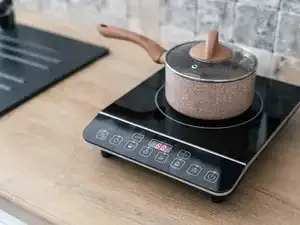
Electric cooking appliance makers are set to press the Centre for a reduction in goods and services tax (GST) on induction cooktops, toasters, electric ovens and air fryers, while also seeking relief from component sourcing bottlenecks from China. The demand comes even as the government reaches out to the industry to scale up production of these products to mitigate the household LPG crunch triggered by the Gulf war, according to four industry executives.
The Department for Promotion of Industry and Internal Trade (DPIIT) has convened a meeting on Wednesday with leading manufacturers, brands and industry bodies to outline its plans and seek feedback that can be implemented on a war footing to ensure adequate availability of electric cooking appliances. This is the first such engagement with the industry since the onset of the Gulf war.
“The government is moving urgently to ensure supplies of electric cooking appliances. There is a strong push to electronic manufacturers to ramp up production, which should ease current bottlenecks,” said the chief executive of one of the largest home-grown electronic contract manufacturers.
The chief executive of another appliance maker said the government has signalled its intent to make these products more affordable while enabling rapid scale-up in production. Time-bound measures such as GST cuts and easing imports of components from China could be considered, he added.
At present, electric cooking appliances—including toasters, induction cooktops, electric kettles, electric ovens, microwave ovens and air fryers—attract 18% GST. In addition, quality control orders from the Bureau of Indian Standards (BIS) restrict imports of certain components to BIS-certified vendors. Only a limited number of vendors, largely in China, have received such approvals.
Last week, commerce and industry minister Piyush Goyal chaired a meeting with senior officials, including secretaries from DPIIT and the power ministry, as well as the Director General of Foreign Trade, to discuss measures to expand production and distribution of electric cooking appliances. Wednesday’s meeting with industry stakeholders is also expected to see inter-ministerial participation, executives said.
Brands and retailers report that demand for induction cooktops has surged 90–100% month-on-month since March, while electric kettle demand has risen 40–60%. The initial spike led to acute shortages, mirroring the surge in demand for hand sanitisers in the early days of the Covid-19 pandemic. Companies have since ramped up capacity.
DPIIT is also likely to push for higher local value addition and domestic component manufacturing to reduce reliance on global supply chains, the executives said.
“We have expanded capacity but remain heavily dependent on imported components. The industry was not prepared for this sudden jump in demand, and sourcing by sea involves a lead time of 25–30 days. Some relaxation in BIS approvals, along with other incentives, could help us airlift components and accelerate the ramp-up,” said the head of a leading contract manufacturer of induction cooktops.
The Department for Promotion of Industry and Internal Trade (DPIIT) has convened a meeting on Wednesday with leading manufacturers, brands and industry bodies to outline its plans and seek feedback that can be implemented on a war footing to ensure adequate availability of electric cooking appliances. This is the first such engagement with the industry since the onset of the Gulf war.
“The government is moving urgently to ensure supplies of electric cooking appliances. There is a strong push to electronic manufacturers to ramp up production, which should ease current bottlenecks,” said the chief executive of one of the largest home-grown electronic contract manufacturers.
The chief executive of another appliance maker said the government has signalled its intent to make these products more affordable while enabling rapid scale-up in production. Time-bound measures such as GST cuts and easing imports of components from China could be considered, he added.
At present, electric cooking appliances—including toasters, induction cooktops, electric kettles, electric ovens, microwave ovens and air fryers—attract 18% GST. In addition, quality control orders from the Bureau of Indian Standards (BIS) restrict imports of certain components to BIS-certified vendors. Only a limited number of vendors, largely in China, have received such approvals.
Last week, commerce and industry minister Piyush Goyal chaired a meeting with senior officials, including secretaries from DPIIT and the power ministry, as well as the Director General of Foreign Trade, to discuss measures to expand production and distribution of electric cooking appliances. Wednesday’s meeting with industry stakeholders is also expected to see inter-ministerial participation, executives said.
Brands and retailers report that demand for induction cooktops has surged 90–100% month-on-month since March, while electric kettle demand has risen 40–60%. The initial spike led to acute shortages, mirroring the surge in demand for hand sanitisers in the early days of the Covid-19 pandemic. Companies have since ramped up capacity.
DPIIT is also likely to push for higher local value addition and domestic component manufacturing to reduce reliance on global supply chains, the executives said.
“We have expanded capacity but remain heavily dependent on imported components. The industry was not prepared for this sudden jump in demand, and sourcing by sea involves a lead time of 25–30 days. Some relaxation in BIS approvals, along with other incentives, could help us airlift components and accelerate the ramp-up,” said the head of a leading contract manufacturer of induction cooktops.