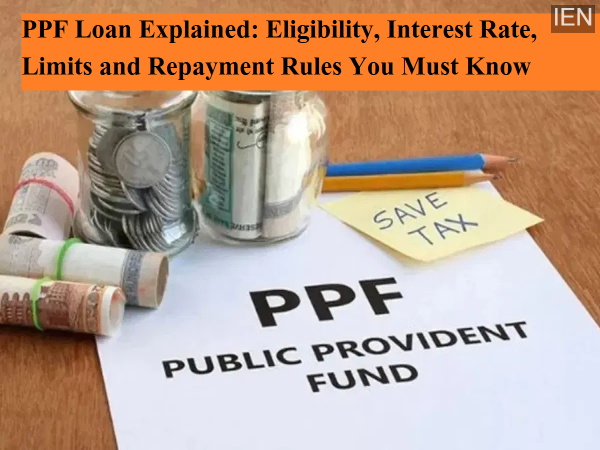
The Public Provident Fund (PPF) is widely known as a safe, long-term investment option that offers tax benefits and stable returns. However, many investors are unaware that PPF also provides a low-interest loan facility, which can be बेहद useful during financial emergencies.
If you have a PPF account and need short-term funds, taking a loan against it can be a smarter alternative to personal loans. Here’s a complete guide to how it works, including rules, eligibility, interest rates, and repayment process.
What Is a Loan Against PPF?
A loan against PPF allows you to borrow money based on the balance available in your PPF account. Instead of withdrawing funds prematurely, you can access liquidity while your investment continues to grow.
This facility is particularly useful because:
- It offers lower interest rates compared to personal loans
- No collateral is required
- The process is simple and hassle-free
When Can You Take a PPF Loan?
PPF loans are not available throughout the entire tenure of the account.
You can avail of this facility:
- From the 3rd financial year to the 6th financial year after opening the account
After this period, the loan facility is no longer available, and partial withdrawals become an option instead.
Who Is Eligible?
Any individual who holds a valid Public Provident Fund (PPF) account can apply for a loan, provided:
- The account has completed at least 2 financial years
- The loan is applied within the eligible time window (3rd to 6th year)
How Much Loan Can You Get?
The loan amount depends on your account balance.
- You can borrow up to 25% of the balance available at the end of the second financial year preceding the year of application
👉 Example:
If you apply in FY 2026–27, the loan will be calculated based on your balance at the end of FY 2024–25.
If you repay the first loan on time, you can take another loan—provided you are still within the eligible period.
How to Apply for a PPF Loan?
To apply for a loan:
- Visit your bank or post office where the PPF account is held
- Fill out Form D
- Submit:
- PPF passbook copy
- Required identification details
Once processed, the loan amount is credited to your account.
Interest Rate on PPF Loan
One of the biggest advantages of a PPF loan is its low interest rate.
- If repaid within 36 months → Interest rate is around 1% per annum
- If repayment is delayed → Interest rate increases to around 6% per annum
👉 Important Note:
During the loan period, the amount used as loan does not earn PPF interest, which makes timely repayment crucial.
Repayment Rules
PPF loans must be repaid within a fixed timeframe:
- Total repayment period: 36 months
- Repayment sequence:
- First repay the principal amount
- Then pay the interest, either in one or two installments
If interest is not paid:
- It may be deducted directly from your PPF balance
Why Consider a PPF Loan?
A PPF loan can be a smart financial choice because:
- Lower interest compared to personal loans
- No impact on long-term savings if repaid on time
- Quick access to funds during emergencies
Final Takeaway
A loan against your Public Provident Fund (PPF) can be a cost-effective and convenient option when you need urgent funds. However, it is important to understand the rules, especially the repayment timeline and interest conditions.
Timely repayment not only helps you avoid higher interest charges but also ensures that your long-term savings continue to grow efficiently.
-
How is China helping Iran against US-Israel combine? Chinese AI satellite firm exposed for mapping American bases, reports claim

-
Clean energy startup Ecoil raises $2.5 million in round led by Fundalogical Ventures
-
Asian airlines trim schedules and carry extra fuel as supplies tighten

-
Japan to tighten screening for residency status of foreign workers on transfer visas

-
Air India’s revised fuel charges could make your next international flight costlier