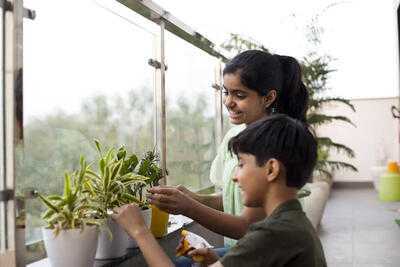
You have followed the plant-care instructions perfectly. You have watered the plants on schedule, placed your new houseplant in what you thought was the right spot and still, within weeks, it is drooping, yellowing or worse. Before you blame yourself for having a “black thumb”, consider this: the problem might not be you at all.
In an interview with the Times of India, Patrick Martin, horticulture expert and owner of Frantoio Grove, a regenerative organic olive farm in California, shared, “Most people assume they're doing something wrong when a plant dies but the reality is that a lot of plants are set up to fail long before they reach your home.”
Read on as we reveal the real reasons your plants might be struggling and why it is time to stop blaming yourself.
Plants are set up to fail before you buy them
Most plants sold commercially are grown in highly controlled greenhouse environments with perfect temperature, humidity and light conditions. These conditions are difficult, if not impossible, to replicate in the average home.
“When you bring a plant home from a nursery or garden center, you're essentially asking it to adapt from a perfect environment to a much more challenging one,” said Patrick. “The shock of that transition alone can cause significant stress, leading to leaf drop, wilting, or even death, regardless of how well you care for it.”
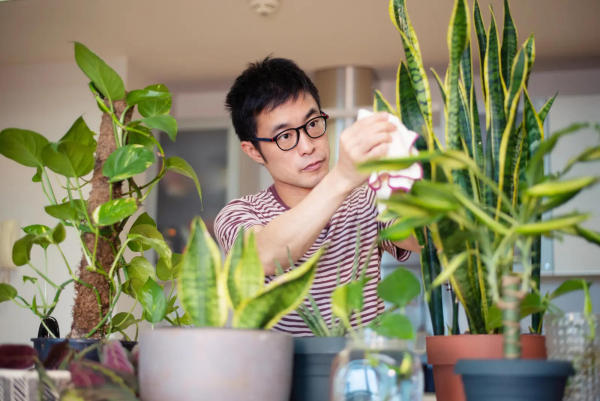
According to a recent , “Rapid transition from controlled greenhouse conditions to variable indoor environments induces physiological stress, often resulting in wilting, chlorosis and leaf abscission.” It confirms that plants experience shock when moved from nurseries to homes and validates that some plant failure is simply a matter of adjustment stress, not poor care.
Plant labels oversimplify reality
Walk into any garden center and you will see labels plastered with phrases like “full sun”, “low maintenance” and “easy care.” While these descriptors seem helpful, they are often vague and assume a level of gardening knowledge that beginners simply don't have.
“‘Full sun’ can mean different things depending on your climate and the intensity of sunlight in your region,” Patrick explained. “What works in one area might scorch a plant in another. Similarly, ‘low maintenance’ doesn't account for the specific conditions of your home: temperature fluctuations, air quality, or the direction your windows face.”
These oversimplified labels leave gardeners guessing and when plants do not thrive, it is easy to assume you have misunderstood the instructions rather than questioning whether the instructions were adequate in the first place.
Overwatering the plants
One of the most common pieces of advice new plant owners receive is to water regularly. The problem? People often interpret this as watering frequently, which leads to overwatering: the number one killer of houseplants .
A , widely cited in 2026 horticulture research, revealed, “Excessive watering reduces oxygen availability in the root zone, leading to root decay and significantly increased plant mortality in indoor container systems.” This scientifically backs the claim that overwatering is a leading cause of plant death and explains why nursery watering habits do not translate well to homes.
“Nurseries often keep plants in consistently moist conditions, so when you bring them home and continue that watering schedule, you're actually drowning the roots,” said Patrick. “But it's not your fault for following what seems like logical advice.” The issue is compounded by the fact that many plants are sold in containers without proper drainage, making it even easier to accidentally overwater.
Cheap soil and containers cause expensive problems
Another factor working against plant survival is the quality of the materials they're sold in. Many commercial plants come in lightweight, nutrient-poor soil that's designed for short-term nursery growth, not long-term health in your home.
“The soil that plants are sold in is often more about convenience and cost-saving for the grower than providing what the plant actually needs to thrive long-term,” Patrick noted. “Combine that with plastic containers that don't allow for airflow or drainage, and you've got a recipe for root rot and nutrient deficiency.”
Gardeners are rarely told to repot immediately or upgrade the soil, so they assume the plant will be fine as-is. When it is not, they blame themselves.
A established, “Low-quality substrates commonly used in commercial plant production limit long-term plant performance due to poor aeration, nutrient depletion and inadequate drainage.” It validates that plants are often sold in suboptimal soil and supports your point about repotting and upgrading materials.
Social media creates unrealistic plant expectations
Instagram and TikTok are filled with lush indoor jungles and picture-perfect plant collections. While these can be inspiring, they also create unrealistic expectations about how plants should look and how easy they should be to care for. A claimed, “Indoor light conditions vary significantly across households, making generalized care labels insufficient predictors of plant performance.”
Patrick said, “What you don't see in those photos is the trial and error, the plant losses, or the specific conditions that person has in their home that make their plants thrive. Comparing your experience to these curated snapshots can make you feel like you're failing when, in reality, you're just dealing with different circumstances.”
Social media also tends to promote trendy, aesthetically pleasing plants that are not always the easiest to care for, leading inexperienced gardeners to choose plants that are genuinely difficult rather than beginner-friendly.
Patrick Martin suggested, “The best thing you can do for your plants is match them to the light you actually have, not the light you wish you had. Invest in quality soil with good drainage and don't be afraid to repot soon after purchase. Treat every plant loss as a lesson rather than a failure. Even experienced gardeners lose plants regularly. Start with genuinely beginner-friendly varieties like pothos or snake plants, and build your confidence from there. Most importantly, stop comparing your gardening journey to others. Your home has unique conditions and learning what works in your specific space takes time and experimentation.”
-
Buckingham Palace 6-word bombshell reveals 'King Charles's true feelings on Donald Trump'

-
Roared on by Filipino fans, Eala wins first clay court match in Austria

-
ITV Emmerdale villain's return 'sealed' in major Dr Todd twist
-
Liverpool injury update as Arne Slot explains plan for Alexander Isak ahead of PSG test

-
Meghan Markle must take advice from unlikely ITV star if she wants As Ever to thrive