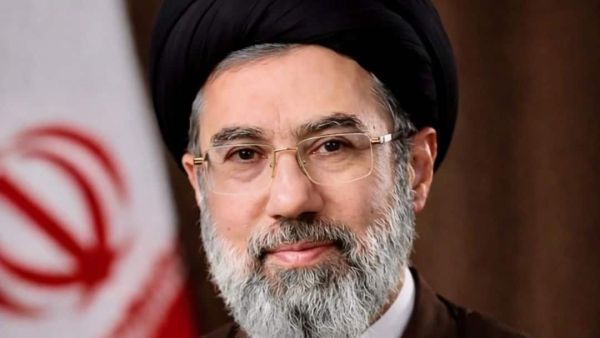
Iran’s newly appointed supreme leader, Mojtaba Khamenei, is reportedly incapacitated and undergoing medical treatment in the Qom and this is the reason he is unable to be involved in any decision-making by the regime, according to The Times.
Iran's Supreme Leader Being Treated For 'Severe' Condition
A diplomatic memo, reportedly based on US and Israeli intelligence and shared with Gulf allies, indicates that Khamenei, son of the late long-serving leader Ayatollah Ali Khamenei, is unconscious and being treated for a “severe” medical condition. The memo, seen by The Times, also reveals his location for the first time; Qom, 87 miles south of Tehran, is a central hub of Shia religious authority.
The memo state: “Mojtaba Khamenei is being treated in Qom in a severe condition, unable to be involved in any decision-making by the regime.” It also noted that the preparations for a large mausoleum in Qom for the elder Khamenei, possibly accommodating other family members, hinting at the continuing significance of the city as a centre of clerical power.
Although Mojtaba Khamenei has been formally designated as his father’s successor, he has not been seen or heard from publicly since the airstrike on 28 February that killed Ali Khamenei, his mother, his wife Zahra Haddad-Adel, and one of his sons. Two statements attributed to him have been broadcast on Iranian state television, alongside an AI-generated video of him inspecting maps of Israel’s Dimona nuclear facility, though no actual recording of his voice has emerged.
Reports suggest the younger Khamenei may be in critical condition, with opposition groups claiming he is in a coma and others alleging broken bones and facial injuries. His apparent incapacity raises questions over his authority, with speculation that the Islamic Revolutionary Guard Corps (IRGC) may retain de facto control.
The elder Khamenei’s funeral arrangements remain uncertain. While Iranian state media had initially reported plans to bury him in Mashhad, the timing has been delayed, contrary to Shia tradition of prompt burial. Security concerns may also influence whether Qom serves as a temporary resting place. Officials reportedly aim to avoid the crowd-related chaos that marked Ayatollah Ruhollah Khomeini’s funeral in 1989, when millions attended.
In the lead-up to the war, the IRGC reportedly clashed with Mojahedin-e-Khalq fighters at the Motahari Complex, which houses Khamenei’s offices and other key regime institutions, underscoring the volatile environment surrounding the regime and its leadership transition.
-
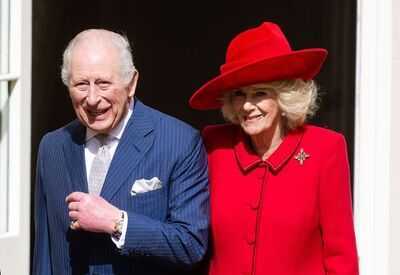
Buckingham Palace 6-word bombshell reveals 'King Charles's true feelings on Donald Trump'
-
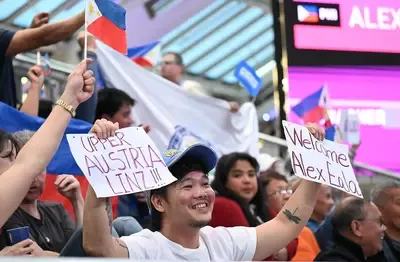
Roared on by Filipino fans, Eala wins first clay court match in Austria
-
ITV Emmerdale villain's return 'sealed' in major Dr Todd twist

-
Liverpool injury update as Arne Slot explains plan for Alexander Isak ahead of PSG test

-
Meghan Markle must take advice from unlikely ITV star if she wants As Ever to thrive