From power suits to personal style: The new language of corporate dressing
ETimes | April 7, 2026 5:39 AM CST
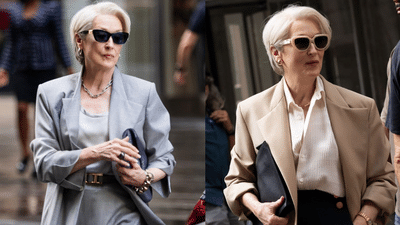
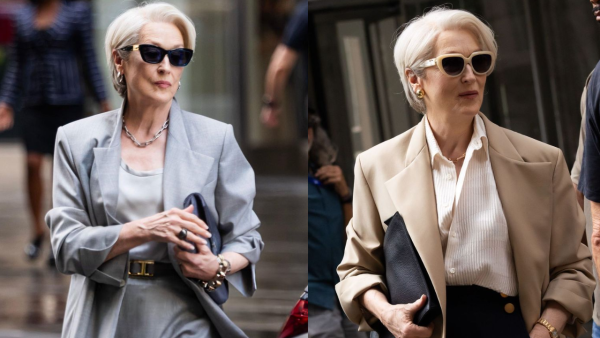
In the 2006 film The Devil Wears Prada, Miranda Priestly’s dressing was well-aligned with her role as Editor-in-Chief of Runway. Her clothing and styling reflected editorial authority, which was very directional, and ahead of the room, with her sharp tailored outerwear like capes, trenches and coats in neutrals like camel, grey, ivory and occasionally offset with burgundy or emerald. Even in silence, her dressing communicated decision-making power. Clothing and fashion were always a powerful non-verbal message in professional environments.
In corporate culture, this system becomes especially prominent, where what one wears communicates not just identity, but hierarchy and power. The film reiterated and clearly established for the Indian audience that corporate dressing is a strategic communication, and it is about a powerful executive presence for women, as well. Clothing communicates perception, builds trust, and establishes intent. This film gave a new direction to corporate dressing for women, to showcase power dynamics in the workplace, from casual attire to structured tailoring.
In the early 2000s in India, corporate dressing was not a fully developed or accepted concept and definitely not a strong industry segment. It was a negotiation between sarees and suits. Westernwear for women was either tailored or ready-to-wear say from Shoppers Stop, Pantaloons. Brands like AND and Fabindia, gradually introduced the idea that workwear itself could be designed, standardised, and worn confidently by women.
While brands like AND laid the foundation for western workwear in India in the late 90s, it was the post-2010 phase, with labels like Van Heusen Woman, that formalised the idea of “power dressing” for the Indian corporate woman. The Devil Wears Prada (2006) demanded that women dress like authority and communicate hierarchy of power; however, the post-2010 decade gradually shifted to defining authority with individuality.
So, the post-2010s saw power being expressed through clarity of personal branding. The corporate coaching and training culture emphasized how to align appearance with role, audience, and environment.
With The Devil Wears Prada 2 set for release on May 1, 2026, it's clear the sequel aims to continue this fashion and culture conversation, reflecting the vastly altered landscape of media, fashion, and power since 2006. Miranda Priestly’s character, in 2006, came to represent what can only be described as power without apology, a form of authority that was precise, controlled, and visually articulated through fashion.
And, based on the trailer of Devil Wears Prada 2, Miranda Priestly’s character remains largely unchanged, which would potentially nudge the power dressing for women to a less label-driven and more sophisticated, purposeful presentation that portrays gravitas and ethical judgment. It will also present sustainable clothing choices.

International trend forecasting platform WGSN has forecasted the rise of “city dressing” as a bridge between office wear and low-key luxury, and similarly, another trend intelligence agency, Future Snoops, has highlighted the emergence of fluid, adaptable wardrobes. A clear shift may become visible soon.
Workwear would no longer be confined to rigid codes; it would evolve into a system of dressing that would move seamlessly between professional and personal contexts. We could see a shift towards soft power dressing, replacing rigidity with intention and individuality. It could give way to subtle luxury and thoughtful styling choices to communicate confidence without “unapologetic dominance”.
Having said that, in the Indian context, the saree would continue to be part of the corporate wardrobe. It may shift in fabric, styling, and drape, but it would continue to remain a powerful expression of authority with its cultural relevance and sustainable outlook. The visual language of clothing, therefore, will always be integral to this narrative for corporate dressing, offering us new cues for power dressing in 2026-27.
( Author Credits: By Prof (Dr.) Meha Jayaswal, Associate Dean, Department of Fashion Communication, Fashion Styling & Beauty, Pearl Academy, India)
In corporate culture, this system becomes especially prominent, where what one wears communicates not just identity, but hierarchy and power. The film reiterated and clearly established for the Indian audience that corporate dressing is a strategic communication, and it is about a powerful executive presence for women, as well. Clothing communicates perception, builds trust, and establishes intent. This film gave a new direction to corporate dressing for women, to showcase power dynamics in the workplace, from casual attire to structured tailoring.
In the early 2000s in India, corporate dressing was not a fully developed or accepted concept and definitely not a strong industry segment. It was a negotiation between sarees and suits. Westernwear for women was either tailored or ready-to-wear say from Shoppers Stop, Pantaloons. Brands like AND and Fabindia, gradually introduced the idea that workwear itself could be designed, standardised, and worn confidently by women.
While brands like AND laid the foundation for western workwear in India in the late 90s, it was the post-2010 phase, with labels like Van Heusen Woman, that formalised the idea of “power dressing” for the Indian corporate woman. The Devil Wears Prada (2006) demanded that women dress like authority and communicate hierarchy of power; however, the post-2010 decade gradually shifted to defining authority with individuality.
So, the post-2010s saw power being expressed through clarity of personal branding. The corporate coaching and training culture emphasized how to align appearance with role, audience, and environment.
With The Devil Wears Prada 2 set for release on May 1, 2026, it's clear the sequel aims to continue this fashion and culture conversation, reflecting the vastly altered landscape of media, fashion, and power since 2006. Miranda Priestly’s character, in 2006, came to represent what can only be described as power without apology, a form of authority that was precise, controlled, and visually articulated through fashion.
And, based on the trailer of Devil Wears Prada 2, Miranda Priestly’s character remains largely unchanged, which would potentially nudge the power dressing for women to a less label-driven and more sophisticated, purposeful presentation that portrays gravitas and ethical judgment. It will also present sustainable clothing choices.
International trend forecasting platform WGSN has forecasted the rise of “city dressing” as a bridge between office wear and low-key luxury, and similarly, another trend intelligence agency, Future Snoops, has highlighted the emergence of fluid, adaptable wardrobes. A clear shift may become visible soon.
Workwear would no longer be confined to rigid codes; it would evolve into a system of dressing that would move seamlessly between professional and personal contexts. We could see a shift towards soft power dressing, replacing rigidity with intention and individuality. It could give way to subtle luxury and thoughtful styling choices to communicate confidence without “unapologetic dominance”.
Having said that, in the Indian context, the saree would continue to be part of the corporate wardrobe. It may shift in fabric, styling, and drape, but it would continue to remain a powerful expression of authority with its cultural relevance and sustainable outlook. The visual language of clothing, therefore, will always be integral to this narrative for corporate dressing, offering us new cues for power dressing in 2026-27.
( Author Credits: By Prof (Dr.) Meha Jayaswal, Associate Dean, Department of Fashion Communication, Fashion Styling & Beauty, Pearl Academy, India)
READ NEXT
-
No FASTag? Toll Travel to Get Costlier from April 10 — Pay 1.25x via UPI
-
US-Iran Tensions: Vance Hints At Ceasefire As Trump Issues Stark Hormuz Deadline Warning
-
MCA Kandivali Win Matunga Gymkhana Inter-Club Badminton Tournament 2026 After 3-2 Victory Over NSCI
-
Sikkim State Lottery Result: April 7, 2026, 6 PM Live - Watch Streaming Of Winners List Of Dear Prestige Tuesday Weekly Draw
-
RR VS MI Weather Forecast: Heavy Rain In Guwahati Hours Before Toss, Orange Alert Warns Another Washout