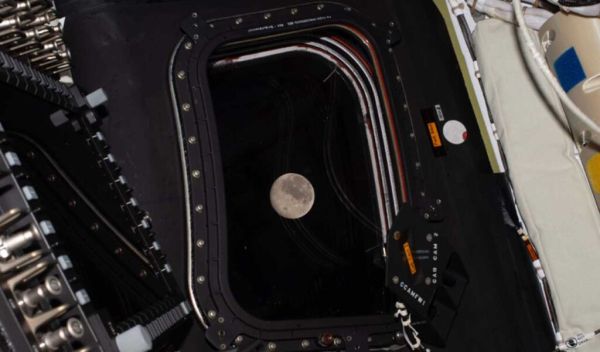
Artemis II brings a sense of collective purpose to a divided world, rekindling scientific curiosity and expanding the horizons of knowledge
Published Date – 6 April 2026, 09:32 PM
Amid the turbulent geopolitics, marked by raging wars and nagging trade tensions, an ambitious space mission has brought a sense of collective purpose to a divided world and rekindled scientific curiosity to expand the horizons of knowledge. The successful launch and the progress of NASA’s Artemis II, a flyby mission to the moon, came as a whiff of fresh air in the midst of disturbing reports of military conflicts around the world. Artemis-II, carrying four astronauts of diverse ethnic backgrounds, is more than just a trip around the moon. It is part of a larger plan to return humans to the lunar surface, establish a permanent base, and eventually prepare for missions to Mars. It envisages using the moon as both a laboratory and a launchpad for future expeditions deep into space. Coming nearly 54 years since the last manned mission left the lunar surface in December 1972, Artemis-II has several firsts to its credit. While moving around the moon, the Orion spacecraft will travel to a distance of about 6,500 km from the far side of the moon. This will be the farthest that humans have ever ventured into space. The SLS (Space Launch System) rockets being used for the Artemis missions are the most powerful launch vehicles available to NASA right now. This is the first time that the SLS rocket and Orion spacecraft are being used to carry astronauts. The long-dormant dream of establishing a permanent lunar base draws one step closer, with the launch of Artemis-II. It will not land on the moon but circle it and return to Earth after a 10-day journey.
A successor mission, planned for 2028, is scheduled to make a moon landing with another set of four astronauts. Artemis II is sort of a test-ride mission, meant to test and validate all systems before astronauts finally make the landing on the moon. Amid the ongoing battle of one-upmanship among the space-faring nations, particularly between the United States and China, NASA plans to put humans on the moon by 2028, two years ahead of the Chinese target. NASA is targeting a moon landing, crewed or uncrewed, at least once every six months. The lunar missions of the coming years are going to be fundamentally different from the Apollo programme that landed 12 humans on the moon, two at a time, between 1969 and 1972. The future engagements with the moon will use it as a launchpad for going further into space. The setup being attempted for the moon is very similar to the International Space Station (ISS): regular missions carrying humans and logistics, continuous astronaut presence, and ongoing experiments. India too has lunar ambitions and is a signatory to the Artemis Accords, a set of non-binding, bilateral principles that guide sustainable, peaceful civil space exploration led by NASA, particularly for the moon and Mars.
-
Here the good is good; An empire ruling the sea; An interesting history of the Chola dynasty, a legacy of valor

-
Michigan to Face UConn in NCAA Championship Game After Dominating Arizona 91-73

-
Ravichandran Ashwin reveals the secret behind Virat Kohli’s new T20 avatar in IPL 2026. Read

-
KKR vs PBKS, IPL 2026: Kolkata And Punjab Share Points As Crucial Clash at Eden Gardens Called Off Due To Rain

-
KKR vs PBKS Live: Rain finally wins; ‘KKR’ vs ‘PBKS’ match cancelled; Both teams…