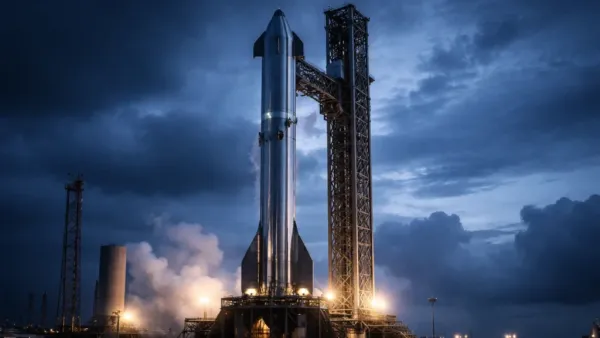
SpaceX Delays Starship V3 Testing Flight to May, Elon Musk Confirms. The next-generation rocket will experience a schedule alteration because the required testing needs to be completed after the main upgrade has been implemented.
SpaceX has delayed its upcoming Starship Version 3 test flight, which will now occur between April and May 2026, according to CEO Elon Musk. The update shared through Musk’s official X account required multiple reports to confirm the extended time needed for preparing the upgraded rocket system to fly. The short delay reveals how SpaceX’s Starship Program has become more complex as it moves from quick design changes to developing operational systems.
May Window Becomes The New Launch Timeline
Musk now expects the first Starship V3 test flight to occur within “four to six weeks,” which means that the launch schedule will begin in early or mid- May 2026. The test window needed to be tested in April, according to previous expectations, but now exists as a new testing requirement.
The aerospace industry needs to make schedule changes because of its development process, which shows that experimental systems will experience delays when their development requirements need to be upgraded. SpaceX intends to validate all systems before launching, while it uses operational systems both in development and production.
Major Upgrades Driving The Delay
The Starship V3 Project faces its main delay because of major technical upgrades that have become part of its engineering design. V3 upgraded existing systems through new technologies, which enable the spacecraft to achieve better performance and longer operational lifetimes than previous versions.
The Raptor 3 engine stands as the most crucial development for SpaceX because it represents the newest development of the company’s methane-based rocket engine system. The new engine achieves its goals of higher thrust through development as a lightweight engine,ne which simplifies its product process. SpaceX needs these enhancements to achieve complete vehicle reusability across multiple operational programs, which serve as its main strategic approach towards future development.
Starship V3 will bring advanced propulsion systems together with improved propulsion storage capabilities and enhanced design components, which will make the spacecraft operate at greater capacity. The new design elements will enable the vehicle to transport heavier loads while it completes missions that require advanced capabilities, such as deep space travel missions.
From Experimental Testing To Operational Readiness
The Starship program has developed through its first two phases, which used experimental testing to develop new spacecraft designs into their fourth operational phase. The V3 system creates a path toward complete operational readiness, which will ultimately allow the system to conduct its planned mission. The testing process needs to adopt a new method because it requires testing.
SpaceX needs to develop new systems through comprehensive testing which will demonstrate their ability to operate under all conditions. The engineering team needs to assess the complex system upgrades, which will cause the project launch to be delayed until they complete their testing. The V3 System test will mark its first integrated environment evaluation ,which represents major developmental achievements for the program.
The Strategic Importance of SpaceX’s Future Missions
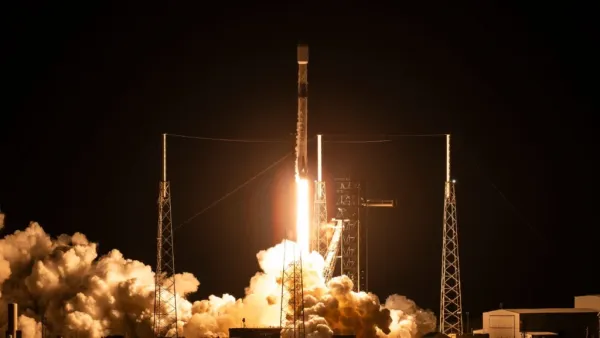
SpaceX considers Starship as its main vehicle for achieving its goals, which will extend into the future. NASA will use the rocket for its Artemis program as a lunar lander during upcoming Moon exploration missions. The system will enable the launch of a new Starlink satellite, which will support upcoming manned missions to Mars.
The V3 system improvements exist to support these specific objectives. The mission requires three essential elements, which include higher payload capacity, better operational performance, and higher reusability rates. The organization considers any delay as a necessity to achieve higher system performance and better operational reliability.
Delays As Part Of The Development Cycle
The Starship Program experiences frequent delays that have become a standard part of its operations. The test flights experienced schedule modifications due to technical challenges, regulatory requirements, and changes in design priorities that occurred during testing.
The delay appears to stem from engineering needs because external factors do not seem to affect the situation. SpaceX plans to use extra time for V3 System development to minimize hazards linked to the upcoming system transformation.
What To Expect
SpaceX will proceed with ground testing and system integration work and launch preparation activities according to the updated schedule. The process involves testing engine operation, structural strength, nd flight software performance. The Starship V3 test flight will demonstrate its capability to reach operational status if the program launches in May.
Conclusion
The postponement of Starship V3 until May 2026 shows how difficult it is to create advanced space technologies that require large-scale developmental work. The schedule changes appear minor, but actual implementation requires complete verification of all new system upgrades. The progress towards SpaceX’s goal of reusable rockets and interplanetary travel makes each achievement more important to the company. The V3 test flight will evaluate new hardware and mark the program’s shift into its next development stage.
-
Here the good is good; An empire ruling the sea; An interesting history of the Chola dynasty, a legacy of valor

-
Michigan to Face UConn in NCAA Championship Game After Dominating Arizona 91-73

-
Ravichandran Ashwin reveals the secret behind Virat Kohli’s new T20 avatar in IPL 2026. Read

-
KKR vs PBKS, IPL 2026: Kolkata And Punjab Share Points As Crucial Clash at Eden Gardens Called Off Due To Rain

-
KKR vs PBKS Live: Rain finally wins; ‘KKR’ vs ‘PBKS’ match cancelled; Both teams…