Ramayana Teaser Controversy: What You Didn't Know About Ram & Parshuram
My Life XP | April 6, 2026 7:40 PM CST
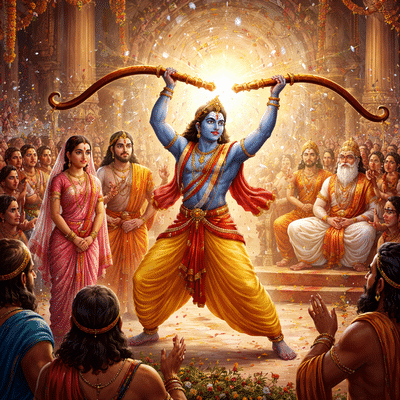
The recent teaser of Ramayana starring Ranbir Kapoor sparked massive debate online, especially the scene with Lord Parshuram. But here’s the twist what most of us learned as children isn’t exactly how the story unfolded in the original Valmiki Ramayana. Many believed that Ram broke the Shiva Dhanush during Sita’s Swayamvar, immediately facing Parshuram. However, ancient scriptures reveal a different sequence of events, exposing hidden truths that challenge our childhood perception. This story will uncover the real sequence, reveal the divine lessons, and show why tradition and media portrayal often differ.
The Misunderstood Swayamvar
Most of us grew up seeing Ram break Shiva Dhanush during Sita’s Swayamvar. However, Valmiki Ramayana clearly states the Swayamvar had already concluded months before. The ceremony where princes competed for Sita’s hand was long over, and Ram’s act of lifting the Dhanush was under Sage Vishwamitra’s guidance. This subtle difference changes the context entirely: Ram was fulfilling a divine purpose, not competing publicly. It highlights the importance of reading original texts to understand historical and spiritual accuracy, instead of relying solely on dramatized adaptations.
The Unexpected Meeting with Parshuram
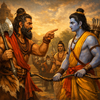
After the Swayamvar and marriage, Ram, Sita, and their entourage returned to Ayodhya. During the journey, in a forest path, Lord Parshuram suddenly appeared. This was not a public spectacle but a divine test. The confrontation was guided by dharma, testing Ram’s humility and courage. Contrary to cinematic portrayal, Parshuram was not reacting to competition but to ensure cosmic order. This nuance demonstrates how legends carry subtle teachings about respect, timing, and destiny that can get lost when adapted for modern entertainment.
Lessons from Divine Dialogue
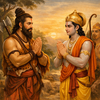
During this encounter, Parshuram and Ram conversed respectfully. Parshuram’s role was not to humiliate but to teach and bless. Ultimately, he presented Ram with a divine Dhanush as a gift, symbolizing approval and empowerment. This sequence reveals the essence of dharmic lessons strength alone is insufficient; humility, patience, and adherence to cosmic law matter most. Modern interpretations often skip this, focusing on action or drama, but the real story emphasizes wisdom and spiritual protocol over physical prowess.
How Popular Culture Alters PerceptionCinematic adaptations, like the Ranbir Kapoor teaser, frequently merge events for dramatic effect. The Swayamvar and Parshuram meeting are shown as simultaneous to increase suspense and visual appeal. While engaging, this distorts the original timeline and teaches viewers a different moral lesson. Understanding the authentic sequence strengthens cultural literacy, encourages critical thinking, and allows audiences to appreciate both tradition and creative interpretation without confusion.
Why Returning to Valmiki’s Text MattersThe takeaway is clear: original texts provide context, purpose, and spiritual insight. Ram’s actions, timing, and divine interactions were carefully orchestrated to balance dharma, honor, and cosmic order. Media adaptations, though entertaining, can mislead if viewed as literal truth. By returning to the source, one can discover hidden layers of meaning, appreciate moral lessons, and respect divine logic. This awareness enriches our understanding of mythology and ensures that lessons of humility, patience, and righteousness are preserved for future generations.
Unlock insightful tips and inspiration on personal growth, productivity, and well-being. Stay motivated and updated with the latest at My Life XP.
Frequently Asked Questions (FAQs) 1. Did Ram break the Shiva Dhanush during Sita’s Swayamvar?
No. According to Valmiki Ramayana, the Swayamvar had already concluded. Ram broke the Shiva Dhanush later under Sage Vishwamitra’s guidance.
2. Did Parshuram confront Ram at the Swayamvar?
No. Parshuram met Ram during the journey back to Ayodhya, not at the Swayamvar.
3. Why do movies show the Swayamvar and Parshuram scene together?
Cinematic adaptations compress events for drama and visual impact, which can distort the original sequence.
4. What lesson does the Parshuram-Ram encounter teach?
It emphasizes humility, respect for dharma, and patience even for the strongest individuals.
5. Did Parshuram bless Ram after the encounter?
Yes. He ultimately gifted Ram a divine Dhanush, symbolizing approval, empowerment, and cosmic order.
The Misunderstood Swayamvar
The Swayamvar scene is often dramatized, but ancient texts tell a deeper story.
Most of us grew up seeing Ram break Shiva Dhanush during Sita’s Swayamvar. However, Valmiki Ramayana clearly states the Swayamvar had already concluded months before. The ceremony where princes competed for Sita’s hand was long over, and Ram’s act of lifting the Dhanush was under Sage Vishwamitra’s guidance. This subtle difference changes the context entirely: Ram was fulfilling a divine purpose, not competing publicly. It highlights the importance of reading original texts to understand historical and spiritual accuracy, instead of relying solely on dramatized adaptations.
The Unexpected Meeting with Parshuram
divine encounter occurred on the journey back to Ayodhya, not at the Swayamvar.
After the Swayamvar and marriage, Ram, Sita, and their entourage returned to Ayodhya. During the journey, in a forest path, Lord Parshuram suddenly appeared. This was not a public spectacle but a divine test. The confrontation was guided by dharma, testing Ram’s humility and courage. Contrary to cinematic portrayal, Parshuram was not reacting to competition but to ensure cosmic order. This nuance demonstrates how legends carry subtle teachings about respect, timing, and destiny that can get lost when adapted for modern entertainment.
Lessons from Divine Dialogue
Even mighty beings must respect dharma and timing.
During this encounter, Parshuram and Ram conversed respectfully. Parshuram’s role was not to humiliate but to teach and bless. Ultimately, he presented Ram with a divine Dhanush as a gift, symbolizing approval and empowerment. This sequence reveals the essence of dharmic lessons strength alone is insufficient; humility, patience, and adherence to cosmic law matter most. Modern interpretations often skip this, focusing on action or drama, but the real story emphasizes wisdom and spiritual protocol over physical prowess.
How Popular Culture Alters PerceptionCinematic adaptations, like the Ranbir Kapoor teaser, frequently merge events for dramatic effect. The Swayamvar and Parshuram meeting are shown as simultaneous to increase suspense and visual appeal. While engaging, this distorts the original timeline and teaches viewers a different moral lesson. Understanding the authentic sequence strengthens cultural literacy, encourages critical thinking, and allows audiences to appreciate both tradition and creative interpretation without confusion.
Why Returning to Valmiki’s Text MattersThe takeaway is clear: original texts provide context, purpose, and spiritual insight. Ram’s actions, timing, and divine interactions were carefully orchestrated to balance dharma, honor, and cosmic order. Media adaptations, though entertaining, can mislead if viewed as literal truth. By returning to the source, one can discover hidden layers of meaning, appreciate moral lessons, and respect divine logic. This awareness enriches our understanding of mythology and ensures that lessons of humility, patience, and righteousness are preserved for future generations.
Unlock insightful tips and inspiration on personal growth, productivity, and well-being. Stay motivated and updated with the latest at My Life XP.
Frequently Asked Questions (FAQs) 1. Did Ram break the Shiva Dhanush during Sita’s Swayamvar?
No. According to Valmiki Ramayana, the Swayamvar had already concluded. Ram broke the Shiva Dhanush later under Sage Vishwamitra’s guidance.
2. Did Parshuram confront Ram at the Swayamvar?
No. Parshuram met Ram during the journey back to Ayodhya, not at the Swayamvar.
3. Why do movies show the Swayamvar and Parshuram scene together?
Cinematic adaptations compress events for drama and visual impact, which can distort the original sequence.
4. What lesson does the Parshuram-Ram encounter teach?
It emphasizes humility, respect for dharma, and patience even for the strongest individuals.
5. Did Parshuram bless Ram after the encounter?
Yes. He ultimately gifted Ram a divine Dhanush, symbolizing approval, empowerment, and cosmic order.
READ NEXT
-
This daily habit doubles the risk of heart attack, cardiologist warned – News Himachali News Himachali

-
Horoscope for April 7, 2026: Bank balance of people of 4 zodiac signs will increase due to the auspicious results of Moon, read Aaj Ka Rashifal. Today’s Horoscope 7 April 2026 Daily Horoscope Exact Prediction In Hindi Love Career Finance Health Updates
-
Today Weather in Lucknow: Rain-storm combo in Lucknow, Agra, Kanpur and Noida today, read UP weather update. Today Weather In Lucknow Agra Kanpur Noida Heavy Rain Thunderstorm Imd Forecast Up Weather 7 April 2026

-
Artemis II crew reestablishes contact after 40 min communications blackout
-
Today Weather in Delhi: Delhi will remain wet today, wind with lightning, definitely check updates before going out. Delhi Weather Today Thunderstorm Rain To Hot Transition 7 April 2026 IMD Forecast