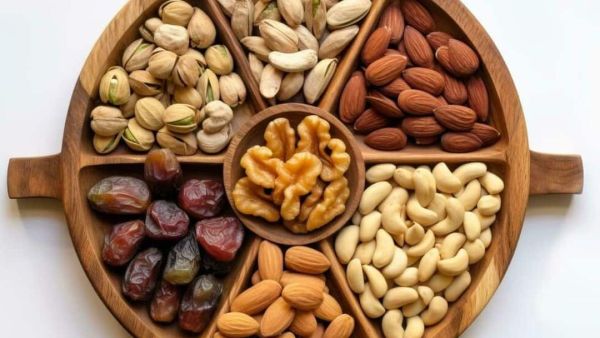
Dry fruits are often seen as healthy snacks, and for people with heart conditions they can offer real benefits when eaten the right way. According to experts, choosing the right types of dry fruits and keeping the portion size limited are key for good heart health. Some dry fruits are rich in healthy fats, fibre and antioxidants, which can help support cholesterol balance and blood pressure control.
But not all dry fruits are equal, and knowing which ones to eat and how much can make a big difference for those with heart or blood pressure concerns.
Why Dry Fruits Matter For Heart

Heart patients often need to manage their cholesterol and blood pressure to reduce the risk of complications like heart attacks or strokes. Dry fruits such as almonds, walnuts and pistachios are rich in unsaturated fats that support healthier cholesterol levels over time. Potassium‑rich options like raisins and dried apricots may also help with blood pressure balance. These nutrients work together to protect blood vessels and support overall cardiovascular function. However, the benefits come from eating in moderation, not large quantities.
Best Choices And Portions For Heart Patients
For heart‑friendly snacking, dietitians recommend simple, unsalted dry fruits. Almonds and walnuts are strong choices because they contain good fats and fibre that can help reduce LDL (bad cholesterol). Raisins and apricots provide potassium that supports blood pressure control. A small handful or about 5-10 nuts, or 1-2 tablespoons of dried fruits per day is usually a safe daily amount for most people. Eating them alongside meals, rather than on an empty stomach, can help avoid spikes in blood sugar and provide steady nutrition.
What To Avoid And Tips For Safe Eating
Dry fruits can be a nutritious addition to your diet, but only when consumed mindfully. Not all varieties available in the market are equally healthy, and certain processing methods can reduce their benefits while increasing potential health risks. To make the most of dry fruits for heart health, it is important to understand what to avoid and how to include them safely in your daily routine. Here are some key points to keep in mind:
- Avoid Processed Or Candied Dry Fruits: These often contain added sugars that can raise calorie intake and negatively impact heart health.
- Limit Salted Varieties: Excess sodium from salted dry fruits may contribute to high blood pressure and strain the cardiovascular system.
- Be Cautious With Portion Sizes: Dry fruits are calorie-dense, so overeating can lead to weight gain, which is a risk factor for heart-related issues.
- Choose Plain And Minimally Processed Options: Raw or naturally dried fruits without added ingredients are the best choice for maintaining nutritional value.
- Pair With Balanced Foods: Combine dry fruits with yogurt, oats, salads or smoothies to enhance digestion and improve nutrient absorption.
Diabetic individuals should monitor intake: Since dried fruits contain concentrated natural sugars, those with blood sugar concerns should consume them in moderation.
When chosen wisely and eaten in controlled portions, dry fruits can support overall wellness and contribute positively to a heart-healthy lifestyle.
[Disclaimer: The information provided in the article is intended for general informational purposes only. It is not a substitute for professional medical advice, diagnosis, or treatment. Always seek the advice of your physician or other qualified healthcare provider with any questions you may have regarding a medical condition.]
-
At Adilabad, Telangana CM says Congress will stay in power till 2034

-
Over 30 universities targeted in Iran as US-Israeli strikes disrupt education

-
Babri politics makes Murshidabad Bengal’s most volatile poll battleground

-
Alcohol, loud DJ on Varanasi’s Ganga during Shobha Yatra, no action yet

-
Top 5 fastest Indian films to enter Rs 1000 crore club so far