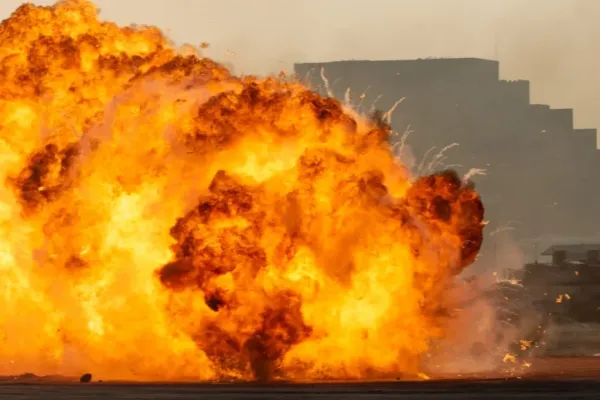
Iranian media is reporting the sound of several explosions in Tehran, the Iranian capital, on April 6, 2026. The reports are breaking and details on the origin, targets, and extent of the strikes are still emerging. Tehran coming under direct attack on the same day that the IRGC Intelligence Chief was killed at dawn, Iran rejected the Strait of Hormuz ceasefire condition, missiles struck Be’er Sheva and southern Israel, a drone hit a du facility in Fujairah, and Trump’s April 6 deadline passed without Strait reopening makes this one of the most significant escalation moments of the entire conflict.
What We Know Right Now
Iranian media has reported hearing the sound of several explosions in Tehran. The reports do not yet specify which areas of the capital are affected, what the targets are, or whether the explosions are from incoming strikes, air defense interceptions, or both. In the pattern established throughout this conflict, explosions heard in and around Tehran have originated from US and Israeli airstrikes targeting military, nuclear, and leadership infrastructure across the Iranian capital and its surrounding areas.
Previous confirmed strikes in the Tehran area have included the assassination of Supreme Leader Ali Khamenei on February 28 in a strike on his compound, subsequent strikes on IRGC headquarters and missile production facilities, and the strike on the highway bridge connecting Tehran to Karaj that killed eight people and injured 95 last week.
Why Tehran Explosions on This Specific Day Matter
The timing of explosions in Tehran on April 6 carries weight that goes beyond any single day of the conflict. This is the day Trump’s Strait of Hormuz deadline expired. This is the day Iran explicitly told Reuters it will not reopen the Strait for a temporary ceasefire. This is the day the IRGC Intelligence Chief was killed at dawn. This is the day Iran’s Foreign Ministry claimed the US operation south of Isfahan may have been an attempt to seize enriched uranium. And this is the day a ceasefire plan was reportedly presented to both sides with a Monday finalisation deadline that now appears to have collapsed.
Explosions in Tehran tonight are therefore not a random strike in an ongoing conflict. They are happening at the precise moment when the conflict’s diplomatic track has hit a wall and the military track is at its most active since the opening days of the war.
The Isfahan nuclear seizure claim made by Iran’s Foreign Ministry earlier today is also relevant context for tonight’s Tehran explosions. If the US conducted a special operation south of Isfahan connected to Iran’s enriched uranium stockpile, the strikes being heard in Tehran tonight may be connected to covering that operation, eliminating Iranian command and control assets that could respond to it, or targeting IRGC leadership in retaliation for today’s broader Iranian escalation including the Be’er Sheva missiles, the Fujairah telecom strike, and the Saudi drone attacks.
What the Explosions Could Be Targeting
Based on the pattern of US and Israeli targeting throughout the conflict, strikes in or around Tehran have focused on several categories of target. IRGC command and control facilities and headquarters. Missile production and storage sites that feed Iran’s ongoing ballistic missile campaign against Israel and Gulf states. Leadership targets, as demonstrated by the Khamenei assassination on day one and the Khatami killing this morning. Communications and intelligence infrastructure that coordinates Iran’s military operations. And nuclear-adjacent facilities in the greater Tehran area.
The killing of IRGC Intelligence Chief Khatami at dawn today suggests that US and Israeli intelligence has active and current targeting information on IRGC leadership locations. Tonight’s explosions in Tehran may represent the continuation of that targeting campaign against additional high-value IRGC and military leadership targets whose locations were identified through the same intelligence operation that located Khatami.
The Market and Diplomatic Impact
Explosions in Tehran tonight, on the day the Trump deadline expired and the ceasefire talks collapsed over the Strait condition, will drive crude oil higher when Asian markets open. The Brent crude technical target of $114 to $116 per barrel that analysts had been watching becomes the immediate reference point if Tehran strikes confirm a major escalation rather than a contained operation.
Indian markets open at 9:15 AM IST on Tuesday April 7 with the full weight of Monday’s extraordinary escalation sequence to process: the ceasefire plan that failed, the Strait rejection, the IRGC Intelligence Chief killed, the Isfahan nuclear seizure claim, the Be’er Sheva sirens, the Fujairah telecom strike, Saudi drone interceptions, and now explosions in Tehran. It is the most consequential overnight development package for Indian markets since the conflict began on February 28.
Business Upturn will update this article as Iranian media and international outlets provide further details on the Tehran explosions and their targets.
This article is based on breaking Iranian media reports of explosions in Tehran on April 6, 2026. The situation is developing rapidly and details on targets, casualties, and the origin of the explosions are still emerging. Readers are advised to monitor official sources for verified information. This article is for informational purposes only.
-
Michael Malone Set to Lead UNC Basketball Program

-
UK weather maps turn icy blue as -4C Arctic freeze hits - 10 coldest cities

-
After AB Tasty Merger, Wingify Set To Raise $149 Mn From Everstone & Others

-
Iconic UK seaside town set to demolish 400 of England's worst homes - £55m project

-
ITV apologises after news disappears off air leaving fans confused