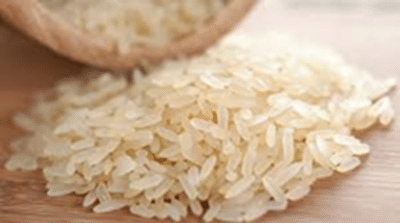
Blood Sugar Control Diet: Many people avoid rice or consume it in very limited quantities to prevent illness. Let's tell you what's new about it.

Benefits of Protein and Micronutrient-Rich Rice: White polished rice, a staple in almost every Indian household, is about to take on a new form in terms of health. Scientists have developed a designer rice that is not only rich in protein and essential micronutrients but also has a lower glycaemic index. This means it will raise blood sugar more slowly than regular rice, which could be beneficial for diabetics and those trying to control their weight.
Steps towards reducing diseases
This special rice was developed by the National Institute for Interdisciplinary Science and Technology, a subsidiary of the Council of Scientific and Industrial Research. According to the institute, this rice is fortified with essential nutrients like iron, folic acid, and vitamin B12. Given that anaemia and vitamin deficiencies are a major public health problem in India, this initiative is considered an important step towards nutritional security.
For whom is rice useful?
With a low glycaemic index, this rice can be especially useful for people who experience frequent hunger pangs or rapid blood sugar swings. Its high protein content can contribute to muscle strength, energy, and a feeling of fullness for longer. Experts believe that by making everyday staple foods nutritious, it can be easier to combat malnutrition and lifestyle diseases.
What is the goal?
PTI reports that this technology will be licensed to Tata Consumer Products Limited and SS Soul Foods of Tamil Nadu. CSIR–NIIST Director Dr. C. Ananda Ramakrishnan has also received the Tata Transformation Prize 2024 for this innovation. He says the goal is to develop staple foods that improve nutritional values without compromising taste and tradition.
The institute has also initiated the process of transferring this technology to industry, making the product accessible to consumers. Furthermore, other innovations related to nutrition and health have emerged. These include low-sodium salt, which can reduce sodium content by up to 86 percent while maintaining taste. This may help reduce the risk of high blood pressure and heart disease. Technologies have also been developed to preserve fruits and vegetables, including their nutrients, for longer periods, thereby increasing their shelf life and maintaining their nutritional value.
-
Mumbai Masala: Fort Favourite Returns

-
Mumbai Masala: Fort Favourite Returns

-
Aditya Dhar Celebrates Editor Shiv Kumar Panicker's Contribution to Dhurandhar: The Revenge

-
Three State Pension changes hitting bank accounts from today

-
World Health Day 2026: Creative ways to celebrate and promote healthy living