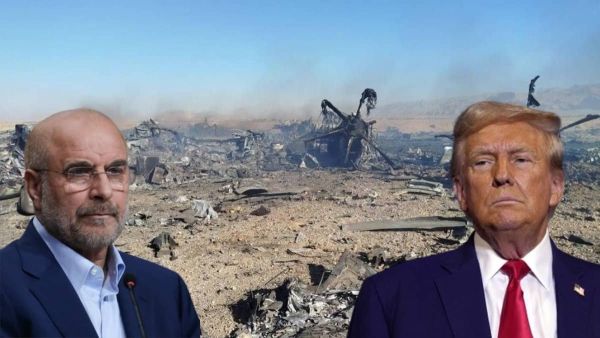
WASHINGTON/CAIRO, April 6: The United States and Iran have received the framework of a plan to end hostilities, a day after President Donald Trump threatened to rain "hell" on Tehran if it did not make a deal, although Iran said it would not reopen the Strait of Hormuz as part of a temporary ceasefire.
The peace plan involves a two-tier approach with an immediate ceasefire followed by a comprehensive agreement. Pakistan's army chief, Field Marshal Asim Munir, has been in contact "all night long" with U.S. Vice President JD Vance, special envoy Steve Witkoff and Iranian Foreign Minister Abbas Araghchi, a source aware of the proposals said on Monday.
Reuters: Iran and the U.S. have been presented with a proposed framework to end the war, featuring a 2 stage deal.
— Open Source Intel (@Osint613) April 6, 2026
It begins with an immediate ceasefire, followed by negotiations toward a broader final agreement known as the “Islamabad Accord.”
Iran won't reopen the Strait as part of a temporary ceasefire, a senior Iranian official told Reuters on Monday, adding that Iran won't accept deadlines as it reviews the proposal.
'Strait of Hormuz will never return to former state especially for US, Israel', vows Iranian Navy
— ANI Digital (@ani_digital) April 6, 2026
Read @ANI Story | https://t.co/c9Q62puV7E#US #Israel #Iran #StraitofHormuz #IranNavy #IRGC pic.twitter.com/cJVXIae5vF
Trump's deadlines to #Iran:
— Embassy of Iran in Bulgaria (@IRANinBULGARIA) April 5, 2026
• March 21st: 48 hours
• March 23rd: Postponed for 5 days
• March 26th: Postponed for 10 days
• April 4th: 48 hours
• April 5th: Postponed to April 7th, 8:00
Axios first reported on Sunday that the United States, Iran and regional mediators were discussing a potential 45-day ceasefire as part of a two-phase deal that could lead to a permanent end to the war, citing U.S., Israeli and regional sources.
In a post laden with expletives on his Truth Social platform on Sunday, Trump threatened further strikes on Iranian energy and transport infrastructure if Iran failed to make a deal and reopen the Strait by Tuesday.
Fresh aerial strikes were reported across the region on Monday, more than five weeks since the U.S. and Israel began pounding Iran in a war that has killed thousands and damaged economies by boosting oil prices.
Iran responded to the attacks by effectively closing the Hormuz waterway, a conduit for about a fifth of the world's oil and natural gas supply, and attacking Israel, U.S. military bases and energy infrastructure around the Gulf.
-
EasyJet flight forced to abort landing moments before touchdown at major airport

-
Nora Fatehi's Controversial Song Sparks National Commission Inquiry: What's Next?

-
Elderly Man Ties the Knot with Young Bride, Sparks Reactions Online

-
BBC confirms new spin-off series of beloved show as fans say 'what we need right now'

-
Vaping likely causes oral and lung cancers, say researchers