CBSE has announced a revised curriculum from the 2026–27 session, introducing a three-language policy from Class 6 and a two-tier system in maths and science for Class 9. According to officials, the changes align with NEP and aim to boost multilingual learning and conceptual understanding through phased implementation till 2030–31.
Mumbai: The Central Board of Secondary Education (CBSE) has introduced a revised curriculum framework to be implemented in phases from the 2026–27 academic session. The key changes include the rollout of the three-language policy from Class 6—set to be fully implemented by 2030 and the introduction of a two-level system for mathematics and science in Class 9.
Aligned with the National Education Policy (NEP), the framework mandates that students from Class 6 study three languages, with at least two being Indian languages, as recommended by the National Curriculum Framework (NCF). The move aims to strengthen multilingual learning in schools.
According to a senior CBSE official, languages will be structured into three categories—R1, R2 and R3. R1 will be the student’s primary or strongest language, studied at an advanced level, while R2 will be a second language studied at a different proficiency level. The third language (R3) will become compulsory from Class 6 starting in 2026–27 and will be extended to Class 10 by 2030–31. During this transition, students will be required to study and pass a third language as part of their secondary education.
The board has also expanded its language offerings, introducing Dogri, Maithili, Konkani and Santhali as subjects in Class 9. With this addition, CBSE will now offer all 22 scheduled Indian languages.
-
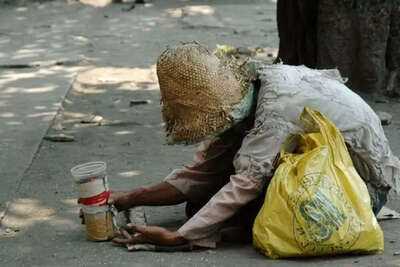
Surprising Case of a Wealthy Beggar in Chhattisgarh
-
Shocking Discovery: Body Found in Blue Drum in Rajasthan

-
Police detain five after clash between two groups in Mumbai's Malad

-
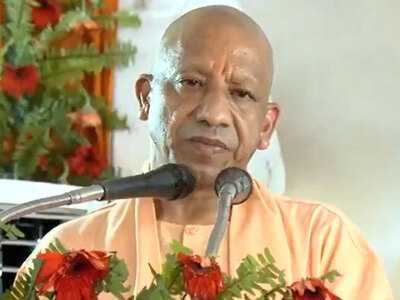
Uttar Pradesh is most fortunate to have largest youth energy: CM Yogi Adityanath
-
Free summer horse racing tickets to give away with Arena Racing Company