The endocrinologist is my favorite doctor—I see mine twice a year. To me, the bloodstream tells me nearly everything I need to know about my health: It paints a full picture of my well-being that I can’t always see or feel from the outside. Why? It’s the body’s mode of transportation. “Hormones travel through the bloodstream, delivering messages from one organ to another. They tell the ovaries when to ovulate, the brain how to regulate appetite and stress and the body how to maintain balance overall,” says Aimee Browne, M.D.reproductive endocrinologist at Aspire Fertility San Antonio. As a carrier, blood absorbs a wide range of necessary things, like oxygen and nutrients. It also has the potential to carry unwanted things, such as microplastics.
“Because microplastics and nanoplastics are incredibly small, they can enter the body through the lungs, digestive system, and even the skin. Once inside, they can cross into the bloodstream, which acts as a transport system carrying them throughout the body to various organs,” says Endocrinologist Li-Shei Lin, MD, Ph.D.of Reproductive Partners Fertility Center in San Diego. “The concern is centered around how these exposures might interfere with hormonal signaling. Endocrine-disrupting chemicals, including bisphenols and phthalates, have been shown in animal and laboratory studies to affect hormone regulation, metabolism and reproductive function,” says Browne, though both endocrinologists note that research and the exact long-term impact are evolving.
Because of the crossroads I stand in as a kitchen product tester and a generally health-conscious person, I am always looking for expert advice on what to do about the information coming out about microplastics in humans. Both Lin and Browne gave me comforting and tactical advice that I know will help me make the best decisions for myself moving forward. Browne used a fantastic example to illustrate how she believes we should approach this topic: sun exposure. “We know that excessive sun exposure can increase the risk of skin cancer, but we don’t avoid going outside altogether. Instead, we take reasonable steps to reduce risk.” That’s my new motto!
Here’s what they both recommended.
Tip 1: Avoid heating food in plastic and choose glass or stainless steel when possible
“We still need more research to fully understand the long-term health effects, but there are practical steps people can take now to reduce exposure,” says Lin. Both endocrinologists specifically mentioned avoiding heating food in plastic, which can increase the risk of microplastic exposure. They also noted that glass and stainless steel are great alternatives.

I’ve been using these Bentgo glass containers for at least a year, and I appreciate how durable, thoughtful and versatile they are. Firstly, they’re made only with glass and silicone. The overall shape and design are streamlined for very easy pantry storage in my apartment, and I appreciate their airtight seal. They have a vent on the lid to ensure steam can escape in the microwave. This makes them an excellent all-purpose set.
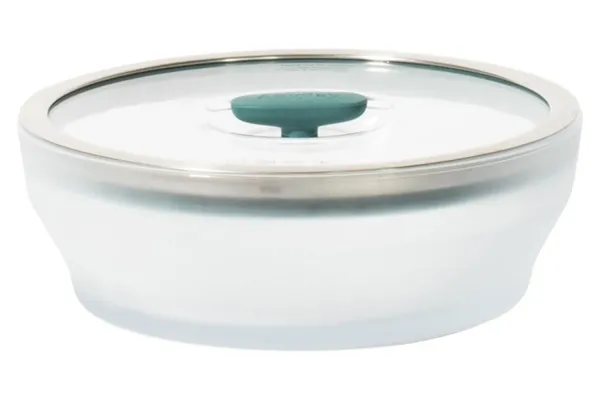
Anyday containers were specifically designed to work in your microwave, serving as a better alternative to the plastic containers of the past. The thick glass encourages easy, even cooking. The lid fits tightly and has a vent that opens and closes, depending on what you’re cooking. Even just one of these can make heating up lunch, dinner, snacks and breakfast easier. It’s a huge perk that you can cook food from scratch in them.

You don’t have to spend heaps to get a nice set of stainless steel cookware. This duo from our favorite Calphalon line runs you less than the price of one high-end pan. It still performs like it’s top-quality, so it’s really a win-win. Both the pan and pot are great for heating and cooking food, and because they’re stainless steel, you don’t need to worry about any plastic or plastic-laden nonstick coatings encroaching on your food.
Tip 2: Be mindful of single-use plastics when there are easy alternatives
This is the best tip of all because it’s the most actionable! It’s also where I started my journey to lower my plastic use and waste. You don’t need to pledge to never touch plastic again, as Lin and Browne said—it’s impossible. Instead, swap some of your single-use plastics with the products below. They’re seamless.

I still use plastic wrap in my kitchen, but this plastic-free beeswax wrap has replaced more than three-quarters of my use cases. It’s excellent for covering bowls, odd ends of produce and bread, and it seals with the warmth of your hand. The best part is that it’s completely reusable after a quick wash with soap and cold water. I buy this sheet that I can cut myself—I find that it’s less wasteful—but the brand also sells pre-cut versions.
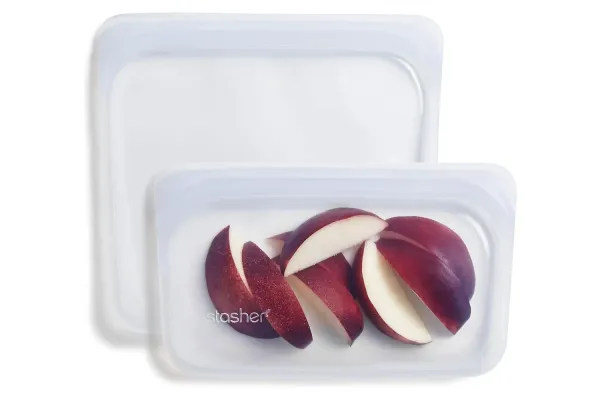
Stasher makes a seriously splurge-worthy reusable silicone bag. They’re the most durable, high-performing option on the market. The thick silicone material protects your food and prevents freezer burn. Plus, they have a super-tight seal that many other reusable bags can’t tout and clean easily by hand or in the dishwasher. Swap these for your flimsy single-use plastic ones, and you won’t look back.
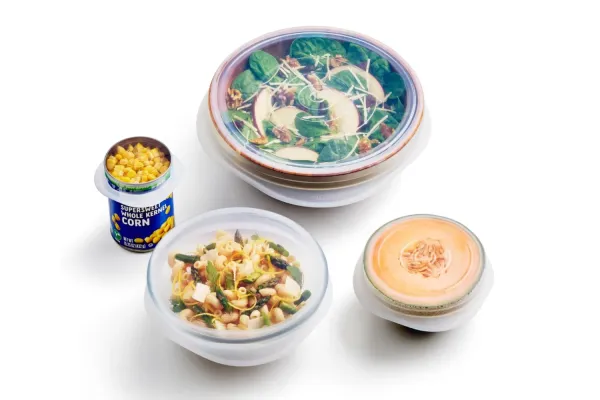
Stasher also makes silicone lids that go right over your bowls. This is a great option if the beeswax wrap doesn’t suit your routine. Just pop these right over any corresponding-sized bowl, and you’re good to go. They can be cleaned and reused time and again.

It’s no secret that plastic water bottles are convenient. Even Browne has a recent anecdote for this: “I was actually explaining this to my 10-year-old recently when I passed on buying a plastic water bottle and went back to get his reusable one from the car. I explained that a single bottle may not be harmful, but these exposures add up over time. That’s really how I think about it clinically—it’s less about any one exposure and more about the overall burden and cumulative effect over time.”
Getting a good reusable bottle that you will rescue from the car, like Browne, is a huge help. Our team loves this BrüMate because it has all the perks of other fancy brands: the convenient handle, sleek body and sippable lid. The difference? The interior and the straw are both stainless steel, so you won’t be sipping from a plastic lid.
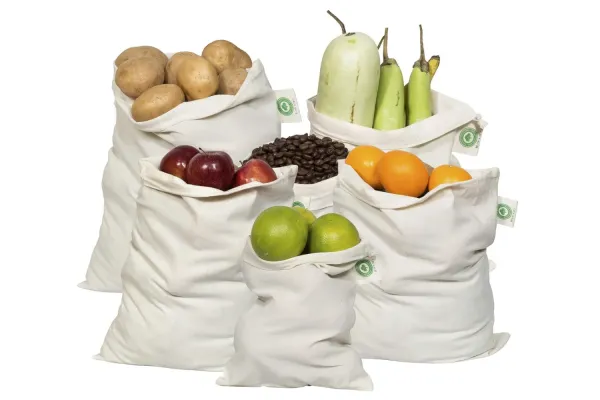
I own these bags, and I love how soft yet strong they are. When grocery shopping, I use these rather than the store’s plastic produce bags. The cotton is breathable but still protects your produce from whatever’s been on that shopping belt. They’re washable, too!
It’s important to note that both Browne and Lin stress that these small changes aren’t the only things you can do to optimize your health. “While we can’t eliminate exposure entirely, there are meaningful ways to support overall health. A diet rich in antioxidants—especially from fruits and vegetables—may help the body manage oxidative stress associated with environmental exposures,” Lin says. “The goal isn’t to create fear—it’s to make informed, manageable choices that can reduce cumulative exposure over time,” she added. Lin also noted that this issue isn’t just individual—it requires systemic change. “It truly takes a collective, global approach to make a meaningful impact.”
I like to think that making these swaps is one small step towards contributing to that.
-
BSEB Intermediate Compartmental Exam 2026: Bihar Board Extends Application Deadline; Opportunity Now Available Until April 6..

-
UGC NET December 2025: NTA Releases Revised Final Answer Key; Here’s How to Download It Instantly

-
Fuel Update: LPG Cylinders, Petrol & Diesel, Common People... 5 Major Announcements by the Central Government..
-
MP Police Band Recruitment 2026: MP Police Constable Recruitment 2026 Announced; Applications Open for 679 Band Posts

-
Gold Price: Gold Continues to Slide—Gets Cheaper Again Today..